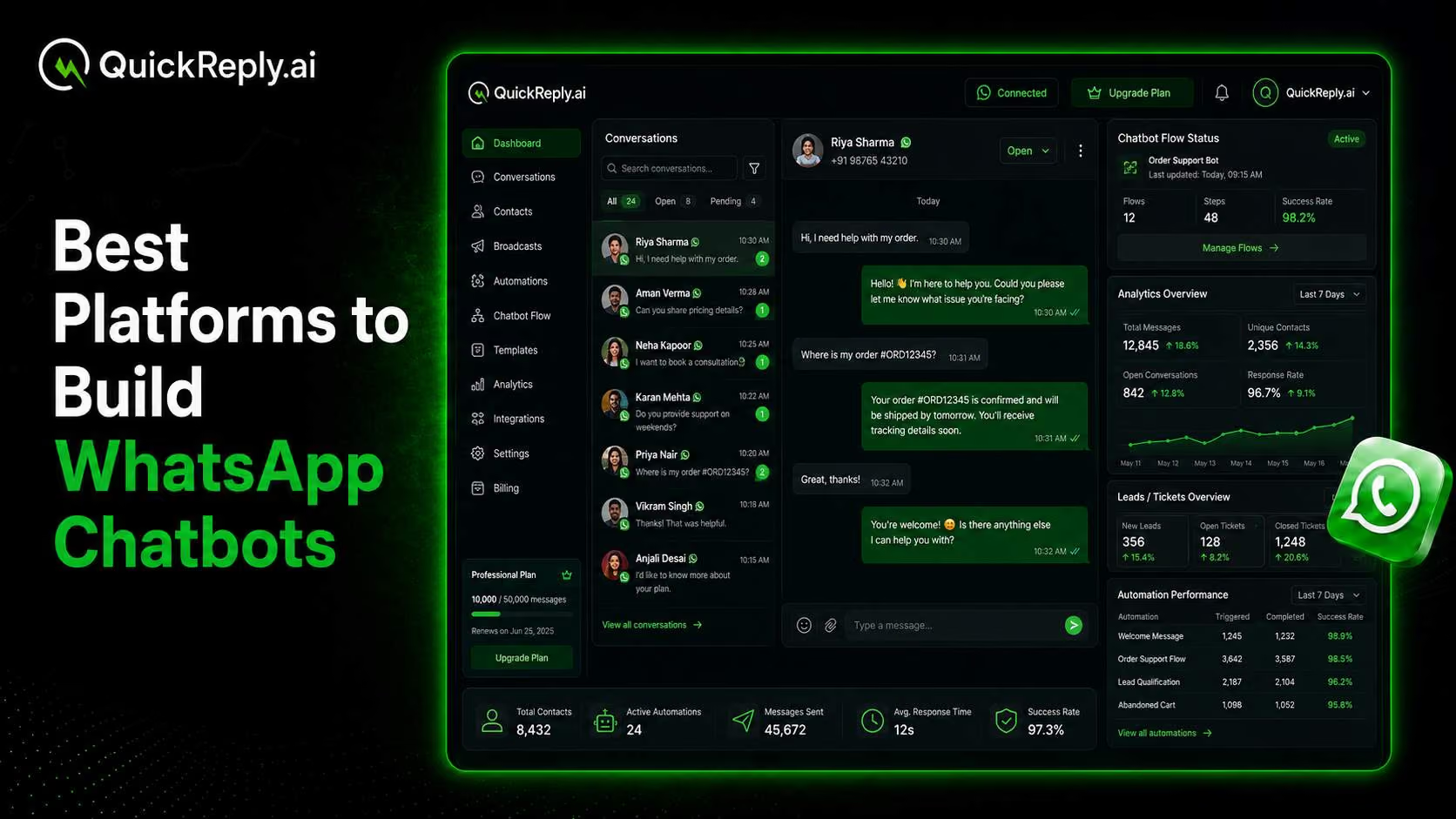
Chatbots are everywhere; they do it all, from streamlining your customer service to reducing almost 70% of the burden on your customer support executives. Thanks to artificial intelligence, they are not mere automated responders anymore. And they work 24x7 without any extra charge.
Think of chatbots within WhatsApp - a platform with over two billion people using it to chat, share, and connect. For businesses, WhatsApp isn't “just another app”; it's the place to meet customers where they're already hanging out, making every message a potential sale or a step towards loyalty.
This blog is intended to help readers understand everything about WhatsApp chatbots. From helping upsell and cross-sell products to collecting feedback within the platform, chatbots can do much more than just respond with the basic “Thank you for your query. Someone from our team will get back to you shortly” message. We'll look at the benefits they offer across different sectors, how they fit into the wider business machinery, and peek into the future of customer conversations.
Chatbots talk on your behalf with your customers on WhatsApp, even when you're sleeping or busy finishing an important task. That's what a WhatsApp chatbot does. It's like a team member who’s always there, ready to chat, help out, or even sell stuff to your customers 24/7.
💡 Why do users love business messaging so much? A study by Kantar highlighted that about 66% of people are more inclined to buy from brands they can message. It's all about the convenience and the personal touch of messaging that makes chatbots so appealing.
Here's how they work: Someone sends your business a message on WhatsApp asking about, let's say, your opening hours or whether a certain product is in stock. Instead of waiting for a human to reply, the chatbot jumps in immediately with the answers. It's programmed to understand and respond to many common questions, making life easier for you and your customers.
Now, what makes WhatsApp chatbots stand out? First, they're on WhatsApp, where many of your customers probably already hang out. Second, they can send not just text but images, videos, and even documents. This means they can showcase products, explain how things work, or guide customers through a process, all within a chat.
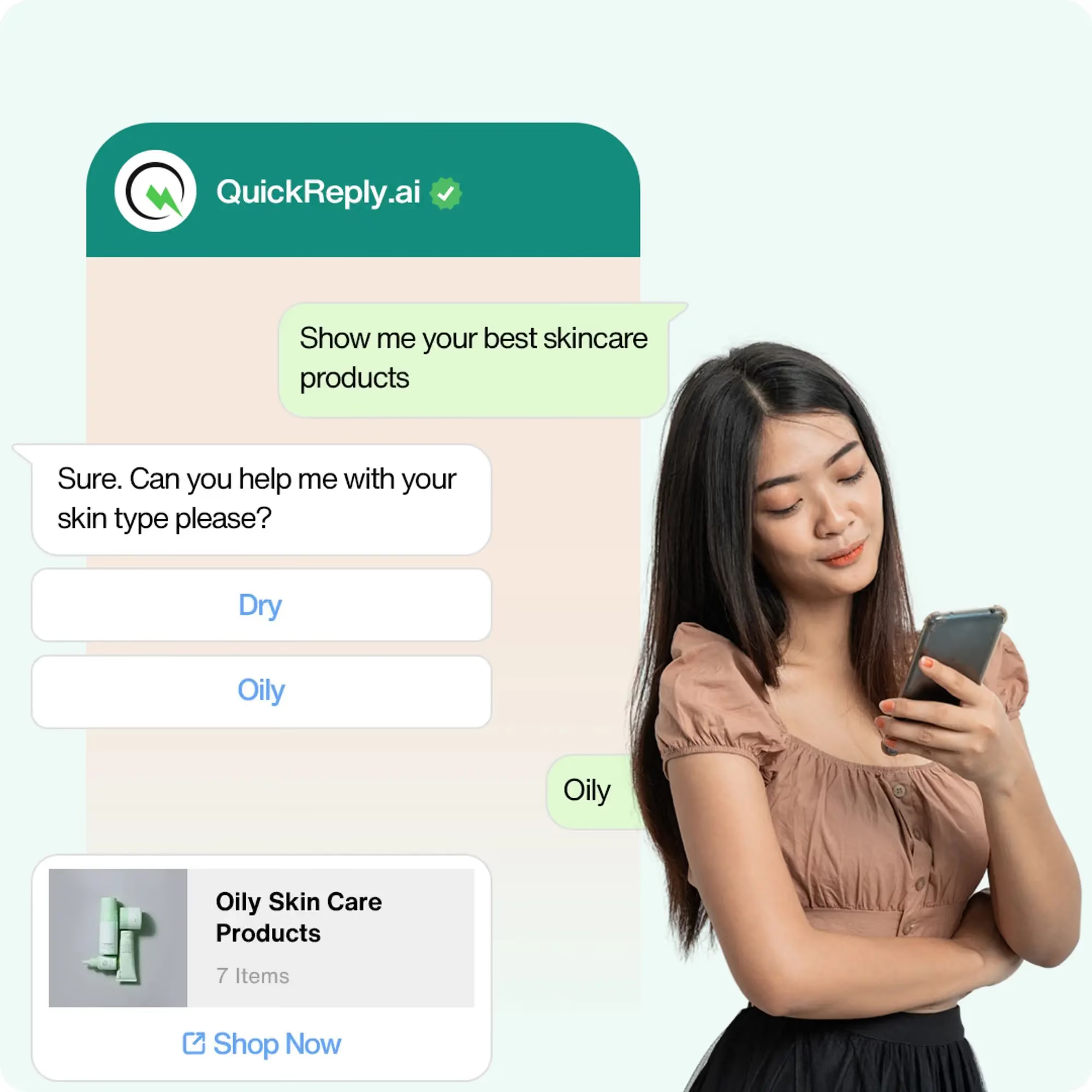
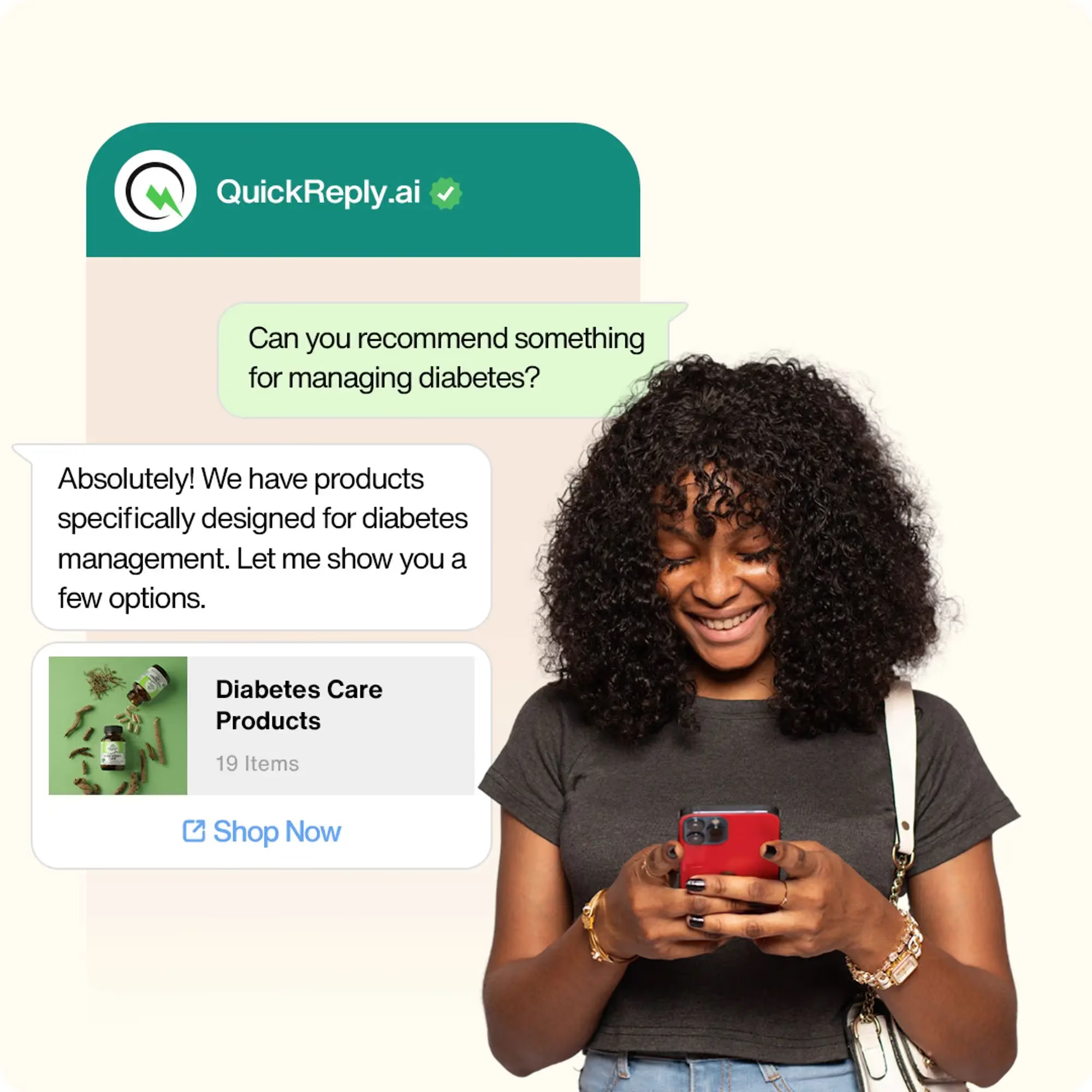
Let’s take the example of a customer named Riya. Late at night, she is looking for skincare products. She sends a message to your brand’s WhatsApp channel asking for recommendations for her sensitive skin. Instantly, your chatbot responds, engaging her in a conversation to better understand her needs.

It then suggests products specifically for sensitive skin, provides usage instructions, and links to purchase. This helps Riya make an informed decision and enhances her shopping experience, showcasing the chatbot's ability to provide personalized, 24/7 support.
So, why have a chatbot in the first place? Customers today aren't just hoping you'll get back to them quickly – they're counting on it. They're looking for that instant connection, whether to solve a problem or grab that product they've been eyeing.

WhatsApp chatbots are doing much more than just answering questions; they're changing how businesses communicate with customers. From shopping online to booking a doctor's appointment, chatbots are making everything frictionless and more human. Here’s a quick look at how they are being leveraged in different industries:
.webp)
Consider an online fashion boutique leveraging a WhatsApp chatbot. It’s more than just a tool; it’s like a personal shopper for each customer.

Chatbots are significantly impacting the retail sector by providing swift customer support. They're ready round the clock to tackle various customer inquiries, ensuring quick and accurate responses.

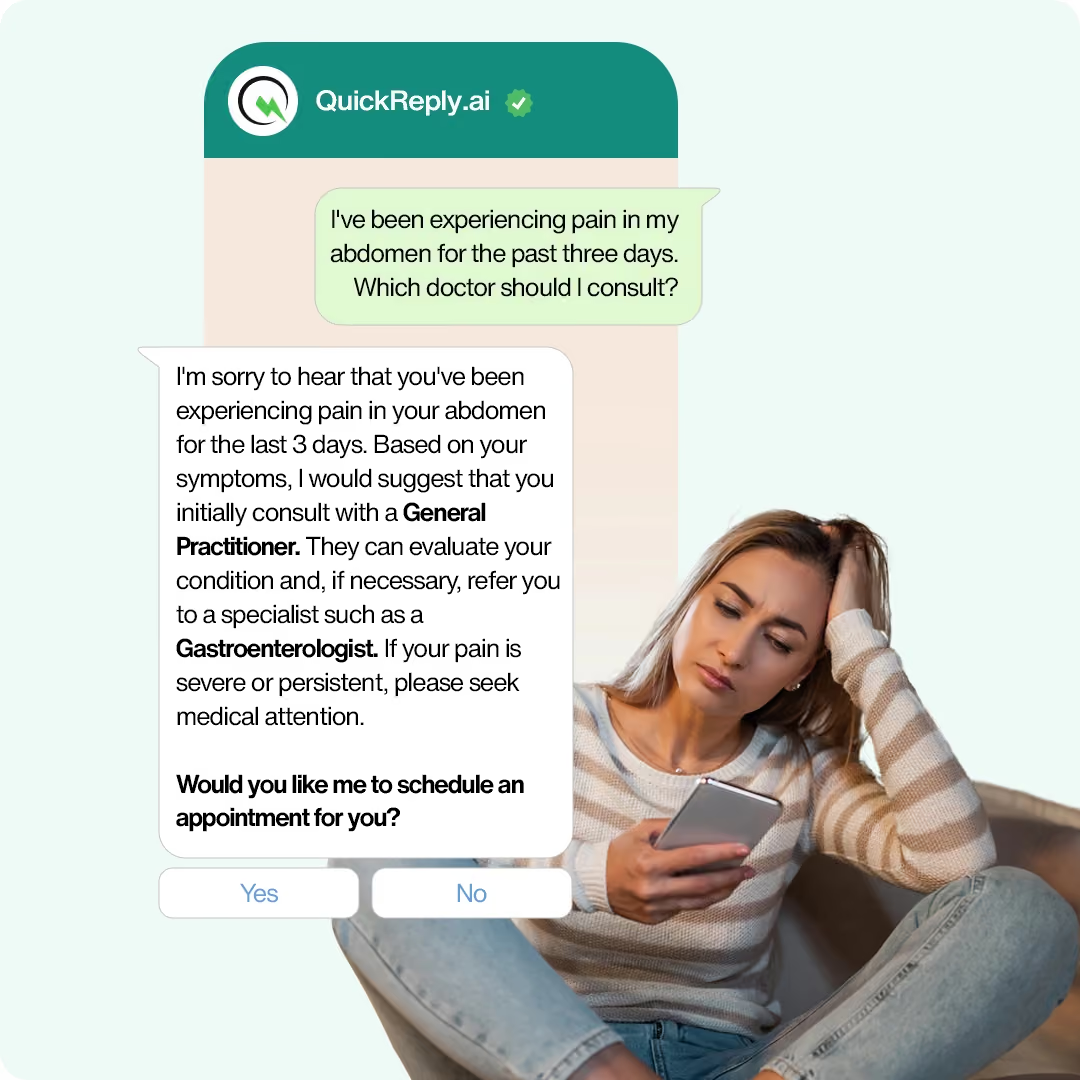
WhatsApp chatbots simplify interactions between patients and healthcare services, streamlining the process of managing health appointments.

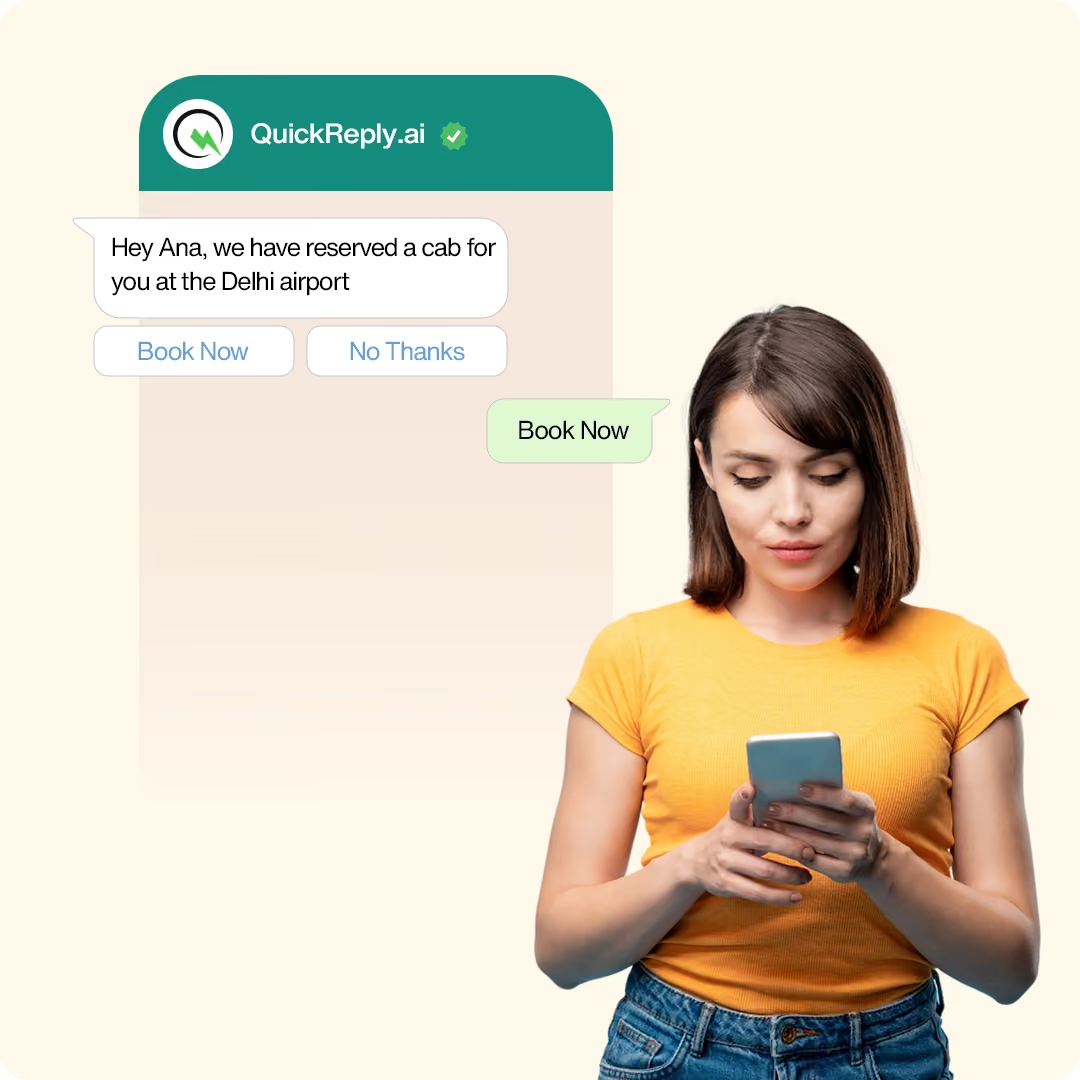
WhatsApp chatbots are becoming a go-to solution for travel agencies and hotels, making travel planning and experiences smoother for customers.

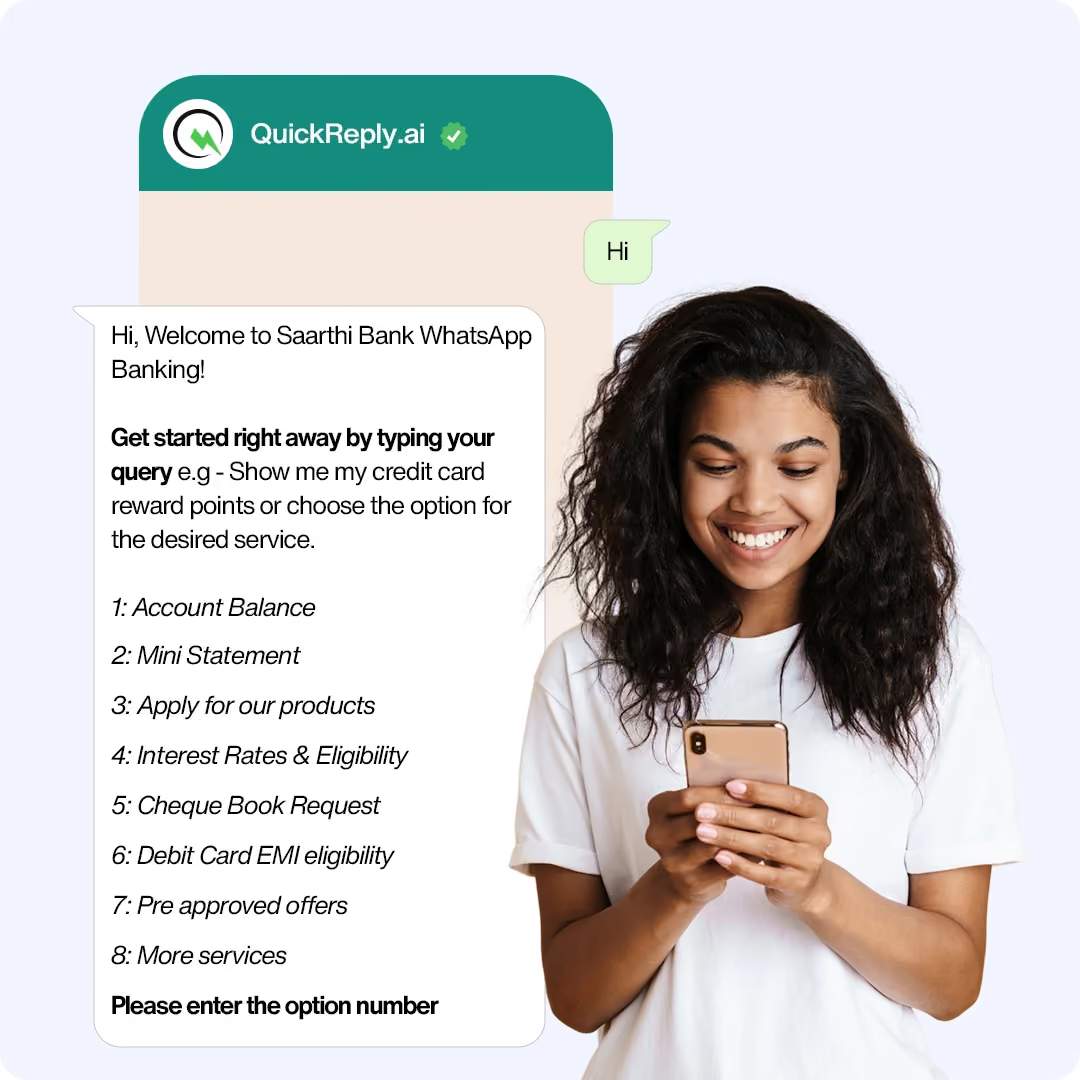
WhatsApp chatbots are transforming banking services, offering convenience and enhanced security for routine financial tasks.

WhatsApp chatbots are reshaping customer service and marketing strategies by leveraging advanced technologies. This detailed breakdown of how these digital assistants operate is tailored for marketing and customer service professionals.
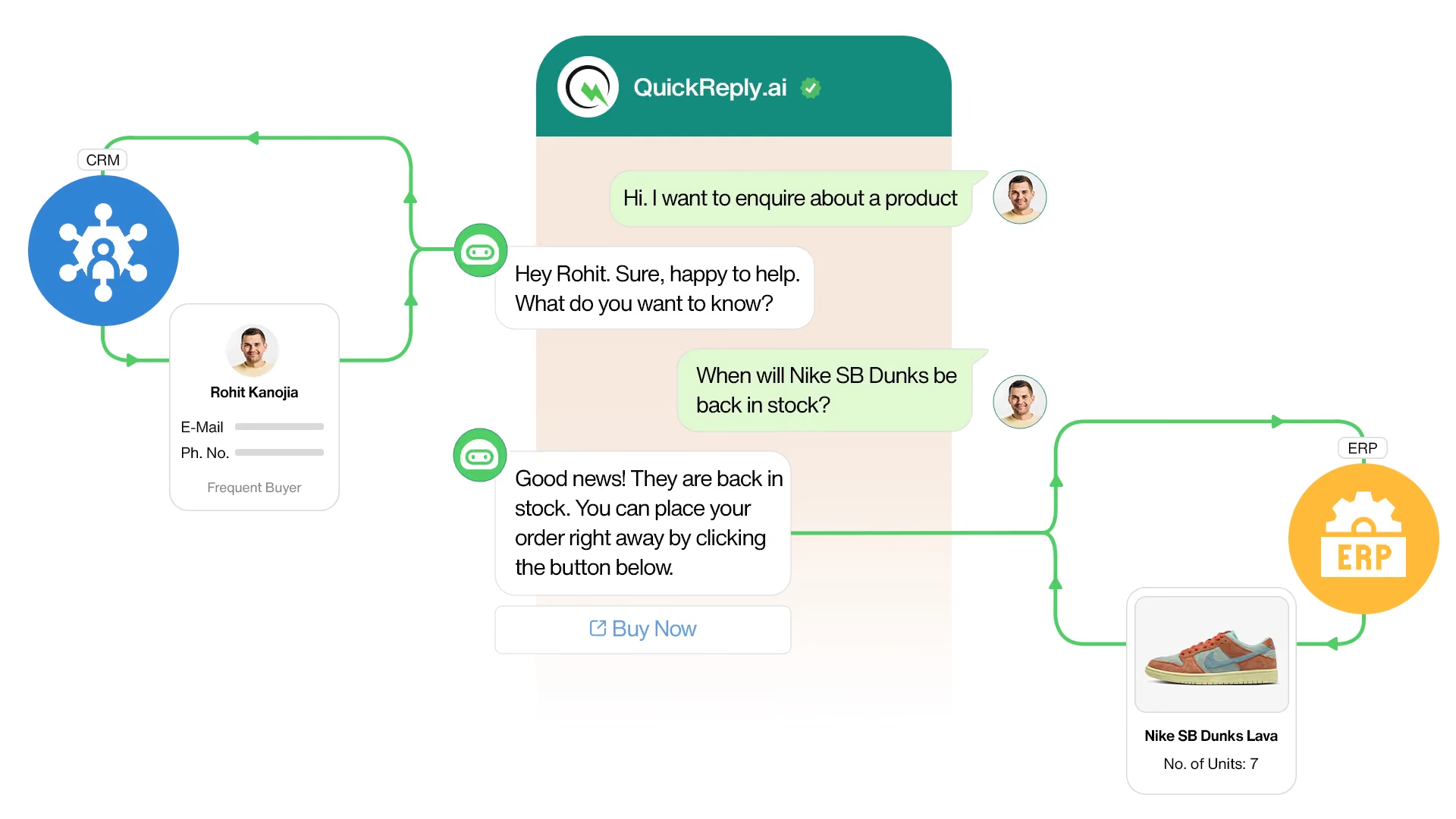
Integrating WhatsApp chatbots into business systems like Customer Relationship Management (CRM) and Enterprise Resource Planning (ERP) can significantly streamline operations and enhance customer experiences. Let's delve into specifics.

This level of integration and automation enables businesses to provide personalized, efficient service across sales, customer service, and marketing. Companies can create a more connected, responsive, and personalized customer experience by leveraging WhatsApp chatbots with CRM and ERP systems.
Thinking about adding a WhatsApp chatbot to your business toolkit? Here's how to get started, broken down into simple steps:
When you’re ready to implement a WhatsApp chatbot in your business, you have two options: building a custom bot from scratch or using a platform-based solution. Each has its perks and quirks.
When considering the incorporation of a WhatsApp marketing chatbot into your business strategy, weighing the advantages and disadvantages of developing a custom solution versus utilizing a platform-based service is essential. Each approach offers distinct benefits and challenges, depending on your business needs, technical resources, and budget constraints. Below is a comparative table that breaks down the key pros and cons of each option to help you make an informed decision:
Integration Challenges and Technical Requirements: Integration is where the rubber meets the road. Whether custom or platform-based, your chatbot needs to play nice with your CRM, ERP, or any other system you’re using. This might mean ensuring your chatbot can access your inventory database to check product availability or integrate with your appointment booking system. The technical heavy lifting here varies; custom solutions might require more intricate integration work, while platform-based solutions offer plug-and-play integrations with popular business software.
Strategies for Effective Testing and Deployment: Testing is non-negotiable. Before your chatbot goes live, it must undergo rigorous testing to catch any hiccups. Scenario testing can be a lifesaver here. For instance, map a customer journey from inquiry to purchase and see how your chatbot handles it. Does it understand the queries? Can it pull the correct data from your systems?
Deployment strategy is also key. A phased rollout can help. Start with a limited set of features or a smaller customer segment, gather feedback, and adjust before going wide. This approach helps iron out any kinks and ensures your chatbot is ready to represent your brand.
Getting your WhatsApp chatbot off the ground involves choosing the right development path, carefully planning integrations, and rigorously testing before and during deployment. Nail these, and you’ll be well on your way to offering your customers a seamless, helpful chat experience.
When you've got a WhatsApp chatbot up and running, it's crucial to understand how well it's doing. Here's how you can get a clear picture.
To effectively measure the success of your WhatsApp chatbot across different roles within your organization, it's crucial to establish specific Key Performance Indicators (KPIs). Below is a table that spreads these KPIs across various roles, offering a clear perspective on what metrics matter most depending on the focus of the chatbot:
Focusing on feedback and engagement metrics is crucial to understanding customer sentiment towards your WhatsApp chatbot. Here's a breakdown into bullet points for clarity:
This approach helps assess how well the chatbot meets customer needs and identifies areas for improvement.
Return on Investment (ROI):Calculating the ROI of your chatbot involves looking at the costs versus the benefits. Costs include development and maintenance, while benefits can be quantified by looking at efficiency gains (like reduced customer service manpower needs) and revenue generated directly from chatbot interactions. For instance, if implementing the chatbot has led to a 20% reduction in customer service calls and increased sales by 10%, these figures would be critical in assessing your chatbot's ROI.
By monitoring these aspects, you can tweak your strategy, improve your chatbot, and ensure it’s truly serving your business goals.
WhatsApp chatbots' evolution closely follows advancements in AI, machine learning, and natural language processing (NLP), shaping a future where interactions are more nuanced and responsive.
As technology advances, WhatsApp chatbots are set to offer more personalized, intelligent, and seamless customer experiences, becoming an integral part of digital engagement strategies.
Now, let's explore the types of chatbots QuickReply.ai offers across its different plans, each tailored to suit your business's evolving needs.
Say you've just opened an online shop that sells unique lamps. As you get some traction, people ask questions over WhatsApp. In the Starter plan from QuickReply.ai, you get a chatbot equipped to handle basic interactions. For instance, when someone asks a question, the chatbot can acknowledge their inquiry with responses like, "Thank you for your query." It's a straightforward yet effective way to ensure that every customer feels heard immediately.
.webp)
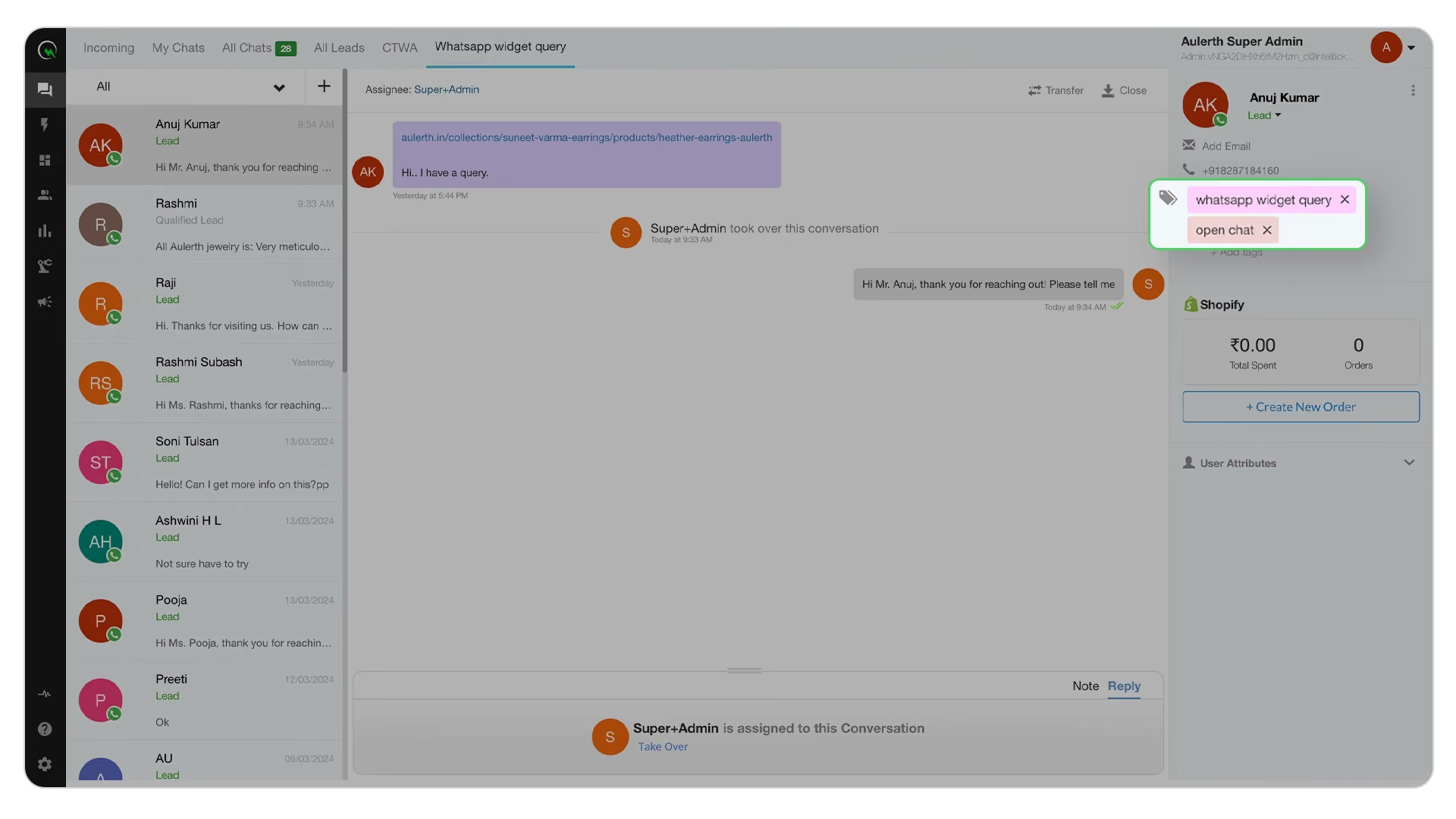
Now, your lamp shop's buzzing. You're getting questions like, "Do you have any lamps made from recycled materials?" The Standard plan chatbot introduces responses for these kinds of specific inquiries. Say someone asks about eco-friendly lamps; the chatbot can guide them directly to your green selections. If a question isn't quite a direct hit for the chatbot's set keywords, it'll still respond to keep the customer engaged, asking for more detail or offering to connect them with a human for more complex questions. This level of automation is great for growing businesses and needs to manage an increasing volume of customer interactions efficiently.
.webp)
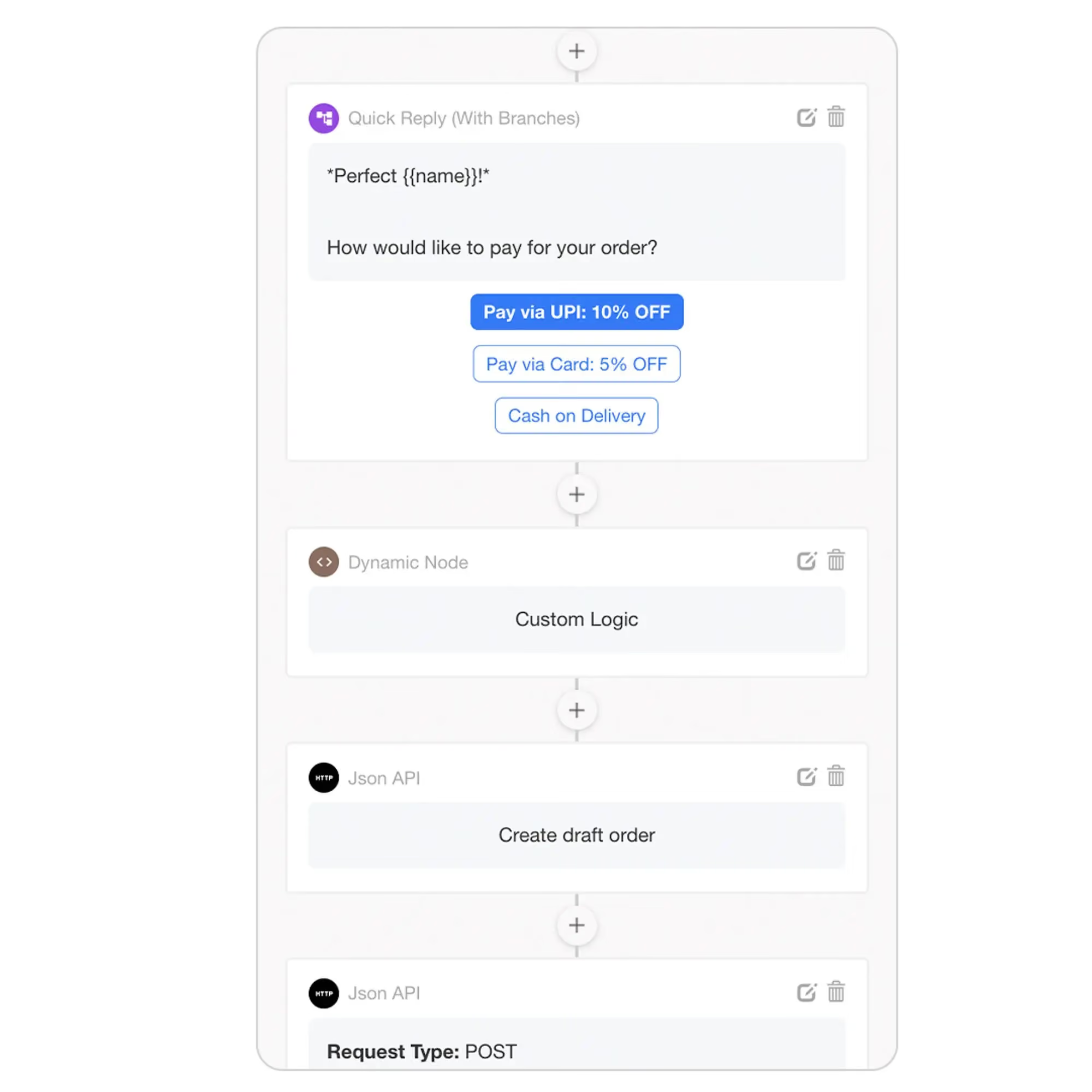
Imagine your store is now a go-to spot for unique, handcrafted lamps. You're fielding many inquiries, from specific product features to customization options. This is where the Plus plan comes in handy. It lets you build custom chatbot flows that understand what your customers are looking for.
Here are the things possible with custom chatbots:
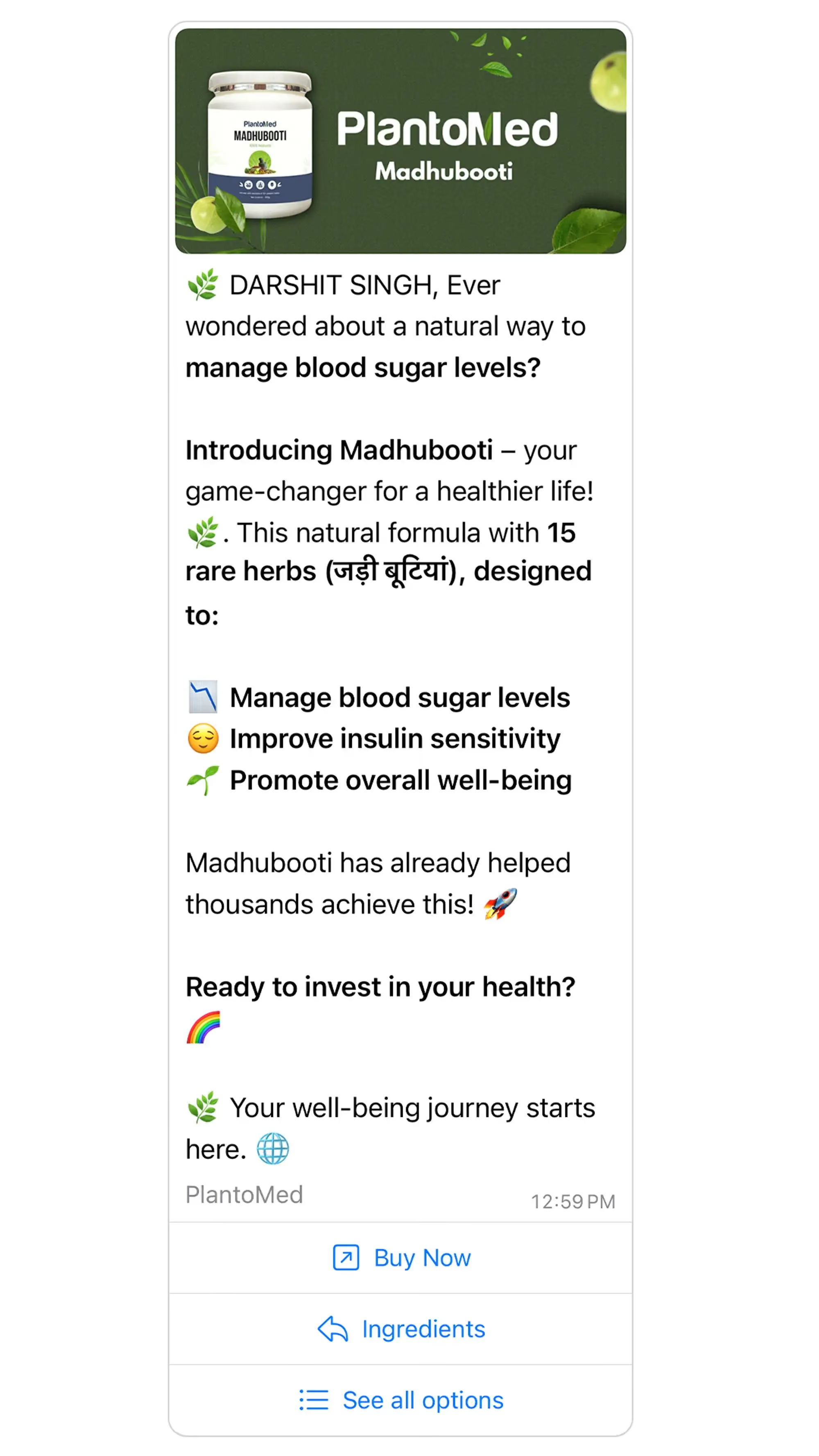
1. Dynamic Product Catalogs: This feature automatically updates and personalizes product offerings in chat conversations, ensuring customers see the most relevant and current selections based on their preferences.

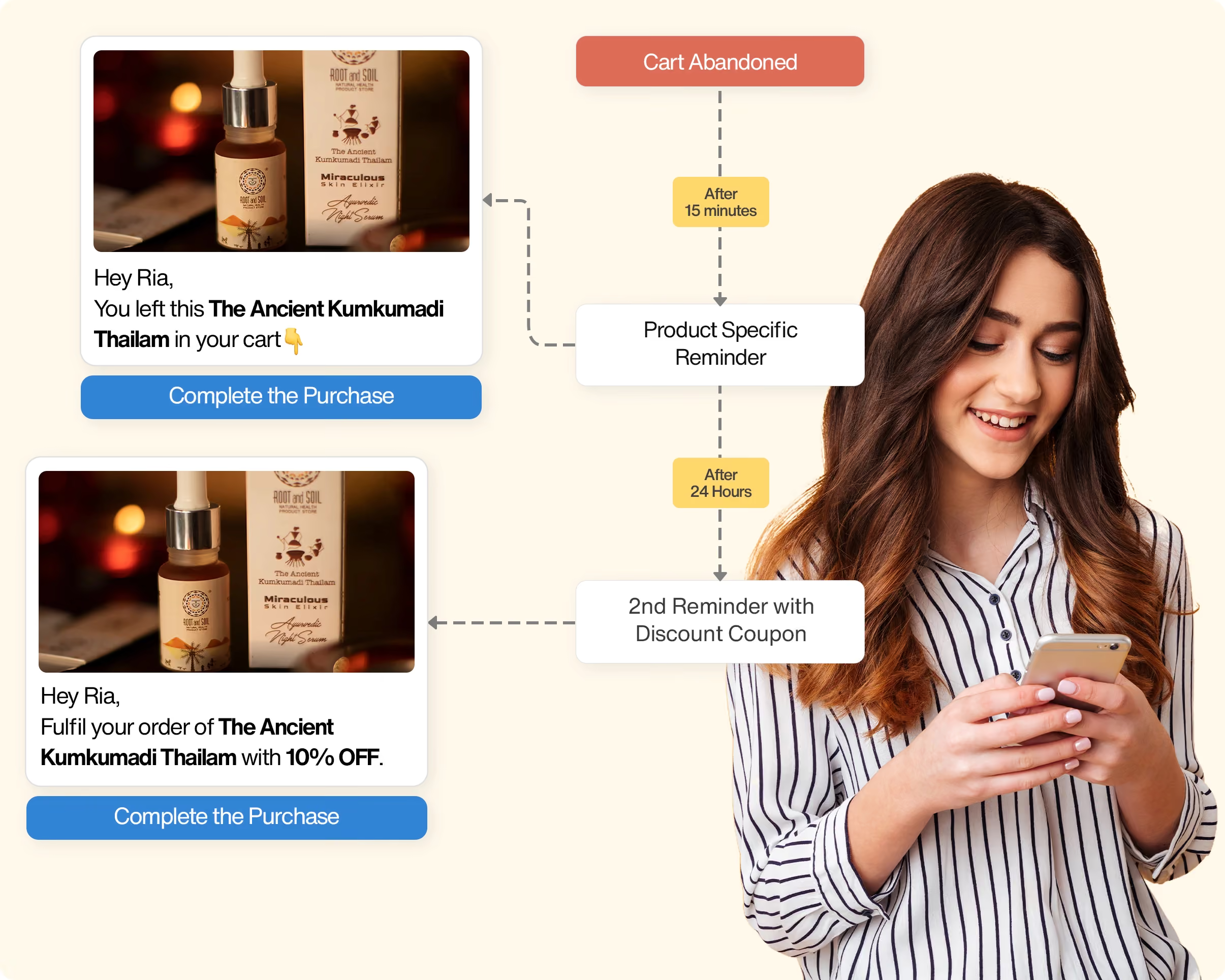
2. In-Chat Payments and Promotions: Allows customers to make purchases or take advantage of promotional offers directly within the chat interface, streamlining the buying process for a frictionless shopping experience.

3. Informational Journeys: Guides customers through detailed narratives about products or services, enhancing their understanding and building a deeper connection with the brand through informed choices.

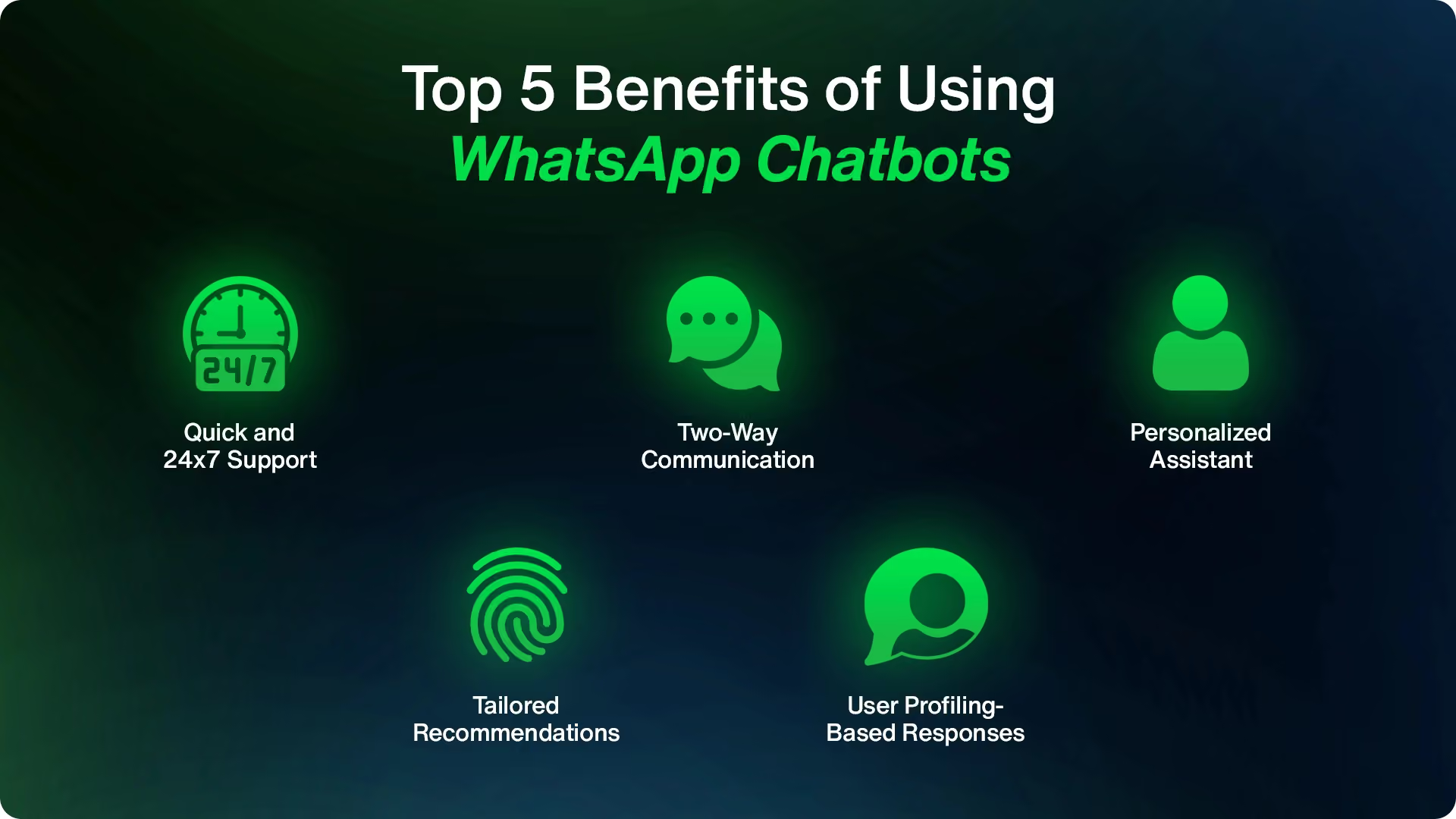
4. User Profiling-Based Responses: This feature leverages customer data to tailor chatbot responses, ensuring that each interaction is personalized based on the customer's history, preferences, and needs.

5. Source Attribution: Identifies and utilizes the source of the customer's inquiry (such as a specific marketing campaign or website visit) to provide contextually relevant responses and suggestions.

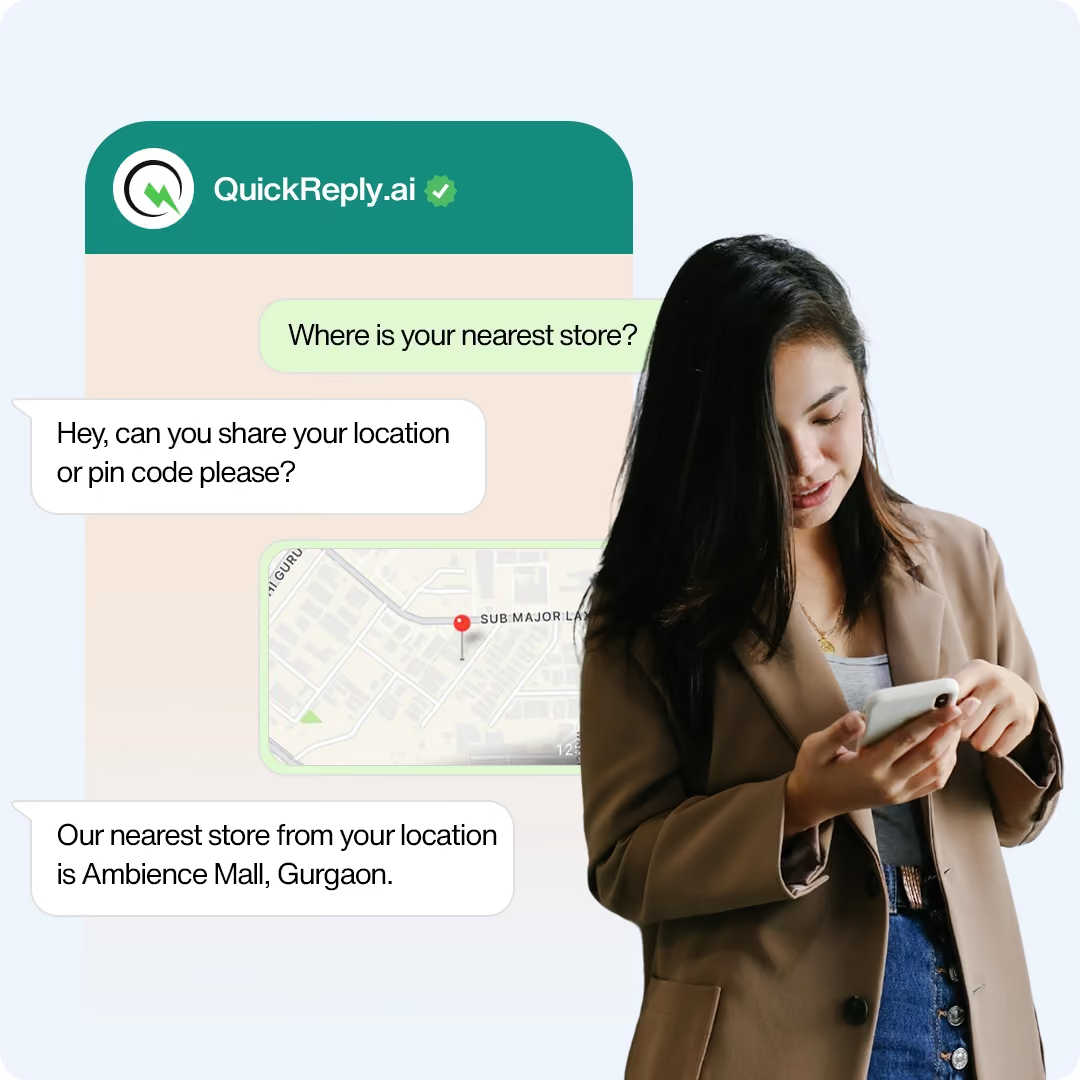
6. Store Locator: Offers customers immediate assistance in finding the nearest physical store location by requesting and using their geographic information, bridging the gap between online browsing and in-store visits.

It's evident that WhatsApp chatbots are more than a fleeting tech trend; they're changing how businesses interact with customers. With the ability to enhance sales and customer service and streamline operations, chatbots are becoming integral across various industries.
Chatbots are set to become even smarter, thanks to AI and machine learning advancements. This evolution will further personalize customer interactions, making chatbots an indispensable tool for businesses aiming to stay ahead in the digital landscape.
If you are looking for mature and sophisticated WhatsApp Chatbots, has many pre-trained bots ready to plug and play, and you can even quickly create custom chatbots.
Tool and strategies modern teams need to help their companies grow.
Leverage the untapped growth potential of WhatsApp marketing to acquire and retain customers.