Top-Rated Omnichannel Messaging Solutions for Customer Service in 2026: The Complete Buyer's Guide

Copied to clipboard!
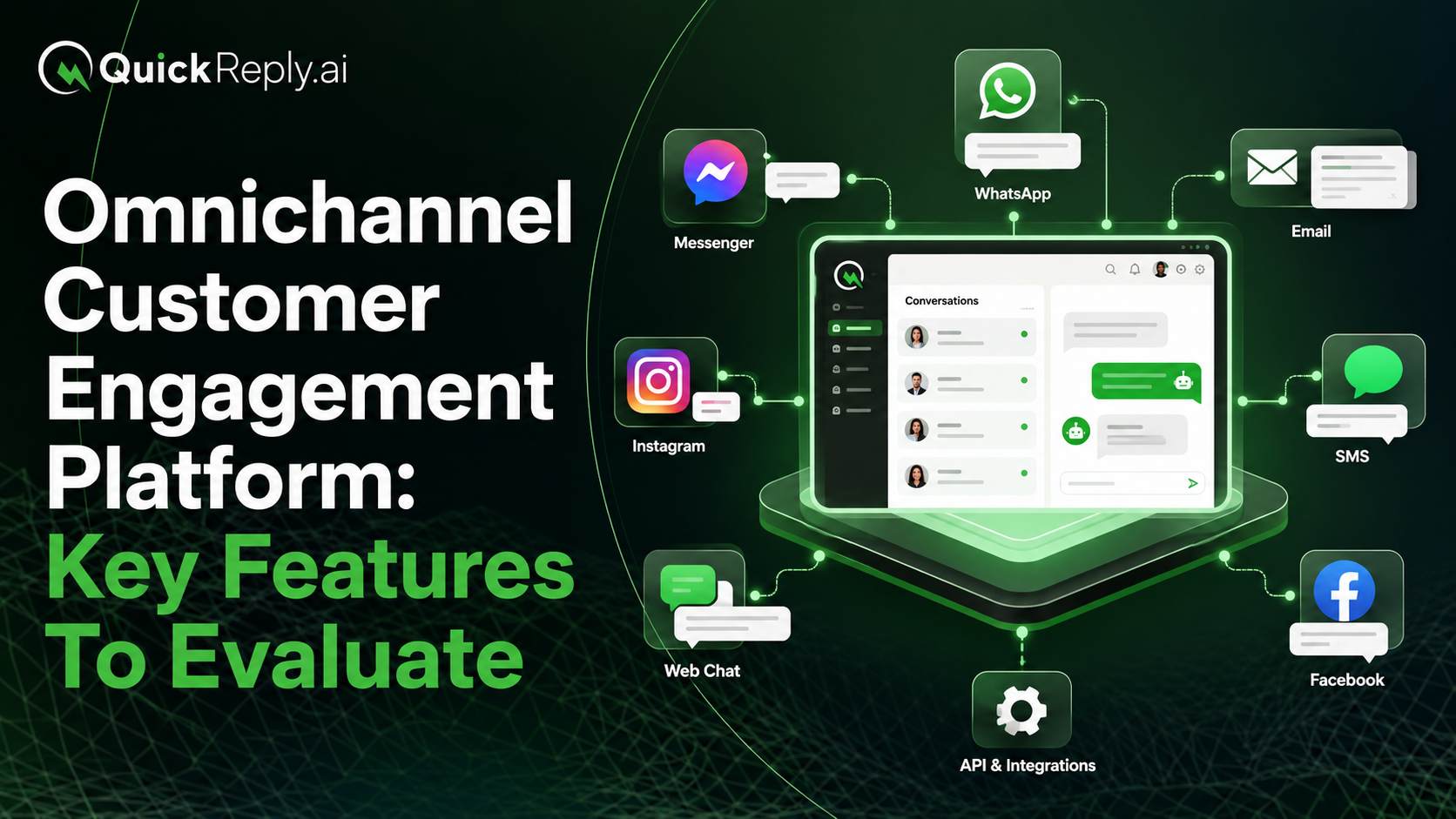
Imagine a customer emails your support team about a delayed order. No response after 24 hours. Frustrated, they open your website chat and start over, describing the same issue from scratch. Still unsatisfied, they slide into your Instagram DMs. A third agent picks it up with zero context. 

Your customer just told their story three times. Your team handled one problem with three agents. And your customer satisfaction score took a hit you could have avoided entirely.

This is the reality for thousands of businesses still relying on disconnected support tools, and it's costing them more than they realize. According to a 2026 digital communications survey, 80% of organizations cited a lack of unified functionality as the biggest barrier to effective customer communication. The problem isn't that businesses don't have channels. It's that their channels don't talk to each other. 

The solution is a true omnichannel messaging solution for customer service, a platform that unifies every customer touchpoint into one continuous, context-rich conversation. This guide breaks down what that actually means, what to look for in a platform, and which tools are genuinely worth your consideration in 2026.

What Is Omnichannel Customer Service? (And Why It's Not Multichannel) 

Omnichannel customer service is a support strategy that connects every channel a customer might use, email, live chat, phone, WhatsApp, Instagram DMs, SMS, and self-service portals, into a single, unified experience. The defining characteristic is continuity: a customer can start a conversation on one channel, pick it up on another, and never have to repeat themselves. 

In contrast, multichannel support simply means being present on multiple platforms. A business can have email, chat, and social media support and still be entirely multichannel if those channels operate in separate silos, with separate inboxes, separate agents, and no shared customer history

Key Distinctions Multichannel Support Omnichannel Customer Service
Customer experience Must repeat the issue on each new channel Context follows them across channels
Agent view Separate inboxes per channel Single unified conversation timeline
Data sharing Siloed per tool Shared customer profile across all channels
Routing Channel-specific Intent-based, context-aware routing
Consistency Varies by channel Uniform quality and tone everywhere
Resolution speed Slower; fragmented context Faster; agents have the full picture immediately

The shift from multichannel to omnichannel isn’t just an operational upgrade; in fact, it’s a fundamental change in how your business relates to its customers. Because customers today don’t think in channels. They think in conversations. The brands that reflect that reality in their support systems build loyalty. The ones that don’t lose customers to the ones that do.

Why Businesses Are Prioritizing Omnichannel Messaging Solutions in 2026

The urgency around omnichannel customer service has accelerated significantly over the past two years, driven by three converging forces.

1. Customers Interact across the Channels 

Today's customers interact with brands the same way they interact with friends: through messaging apps, in short bursts, expecting quick and relevant responses. They've been conditioned by consumer experiences on WhatsApp, Instagram, and iMessage to expect continuity and context. When a business fails to deliver that, the friction is immediately noticeable, and increasingly, it's a dealbreaker. 

Research consistently shows that customers are significantly more likely to stay loyal to brands that offer seamless, personalized service across channels. The inverse is also true: a single frustrating cross-channel experience can drive a customer to a competitor. 

2. AI Has Matured Enough to Make Omnichannel Actually Work

For years, "AI-powered support" was largely a marketing claim layered over basic chatbots. In 2026, that's genuinely changed. Modern omnichannel platforms now embed AI that does meaningful work: detecting customer intent before routing, generating agent response suggestions, summarizing long conversation histories, and handling routine queries end-to-end without human intervention. 

This isn't just about deflecting tickets. It's about giving human agents the context and tools they need to resolve issues faster and giving customers the experience of speaking with someone who already knows their history. 

3. Fragmented Tools Are Getting Expensive 

Many businesses have arrived at a point where they're paying five, six, or seven different vendors for customer communication tools, an email helpdesk here, a live chat widget there, a social media inbox elsewhere, and a separate WhatsApp integration on top. 

The operational cost of managing those silos in agent time, training, compliance risk, and missed context often far exceeds the cost of consolidating onto a unified omnichannel platform. The business case for omnichannel messaging isn't just better customer experience. It's meaningful improvements in First Contact Resolution (FCR), Average Handle Time (AHT), agent utilization, and long-term customer retention, all of which have direct revenue impact.

Must-Have Features in an Omnichannel Messaging Solution 

Not all platforms that call themselves “omnichannel” are built the same. Here are the capabilities that separate genuine omnichannel solutions from multi-channel tools: 

1. Unified Conversation Timeline

This is the single most important feature. In a true omnichannel platform, when a customer contacts you via email on Monday and then starts a live chat on Wednesday, both interactions appear as one chronological conversation thread and not two separate tickets. Agents can see the entire history without switching tools or asking the customer to explain themselves again. AI-Powered Routing and Automation

Effective routing is far more sophisticated than round-robin assignment. The best platforms use AI to analyse customer intent, conversation history, and agent skill sets to direct each interaction to the right person at the right time. Automation layers on top: auto-responding to common queries, triggering workflows based on keywords or customer behaviour, and escalating intelligently when a conversation exceeds the bot’s capability.

2. CRM and E-commerce Integration

An omnichannel platform is only as good as the customer data it can access. The best solutions either include a built-in CRM or integrate deeply with external ones like Salesforce, HubSpot, Zoho CRM, and e-commerce platforms like Shopify, WooCommerce, and Magento to surface order history, purchase value, and past support interactions right inside the support view.

3. Self-Service and Chatbot Capabilities

Strong omnichannel platforms enable customers to resolve issues independently through AI-powered chatbots, knowledge bases, and interactive FAQs. The key is that these self-service tools are consistent across all channels, so a customer gets the same quality of automated response on WhatsApp as they do on your website. Well-implemented self-service reduces support volume, cuts costs, and, when it works well, actually improves customer satisfaction.

4. Cross-Channel Analytics and Reporting

Reporting that shows you volume by channel is table stakes. What you actually need is reporting that tracks customer journeys across channels so you can measure where conversations start, where they escalate, which channel has the highest resolution rate, and which customer segments are most at risk of churn. This kind of cross-channel insight enables continuous operational improvement.

5. Security, Compliance, and Scalability

Any platform that touches customer data needs a robust security infrastructure, encryption in transit and at rest, role-based access controls, and certifications appropriate to your industry, such as ISO, SOC 2, GDPR, and HIPAA. As your business scales, the platform should scale with it without requiring disruptive re-implementation.

Top-Rated Omnichannel Messaging Solutions for Customer Service in 2026

The following platforms are evaluated across five criteria: channel coverage, AI maturity, integration depth, pricing transparency, and real-world use-case fit. This is not a ranked list; each platform has meaningful strengths in specific contexts, and the right choice depends heavily on your team size, existing tech stack, and primary customer channels.

Platform Primary Channels Industry Pricing Top Strength
QuickReply.ai WhatsApp, Instagram, Web Chatbot, RCS D2C / E-commerce / Mid-enterprises / Banking / Retail / Health Starts at $39/month WhatsApp-first + Shopify Integration
Zendesk All channels Large and Mid-Enterprise Starts at $19/Month/Agent Scale & customisation
Freshdesk All channels SMB–Mid Enterprises Starts at $19/Month/Agent Ease of use
Intercom Chat, in-app, email SaaS/Product Starts at $29/Month/Agent Product-led engagement
Kustomer All channels Mid–Enterprise Check the website for pricing Customer-timeline view
HubSpot Service Hub Email, chat, social Any (HubSpot users) Starts at $9/Month/Agent CRM continuity
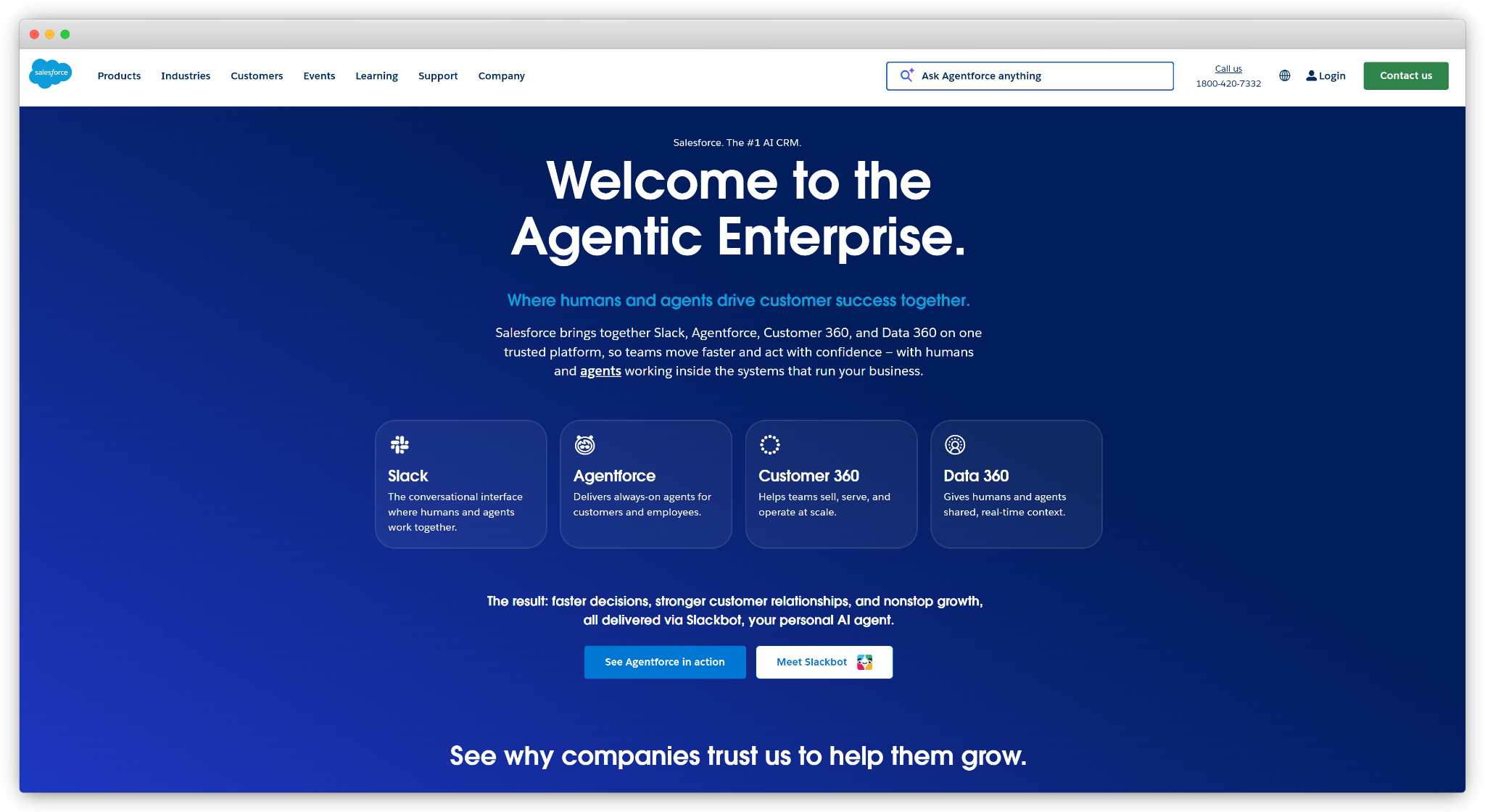
Salesforce Service Cloud All channels Large Enterprise Starts at $25/Month/Agent Salesforce-native depth
Zoho Desk All channels SMB–Mid Enterprise Starts at $7/Month/Agent Budget + Zoho stack
Nextiva Voice + digital Mid–Enterprise Starts at $15/Month/User Voice-forward teams
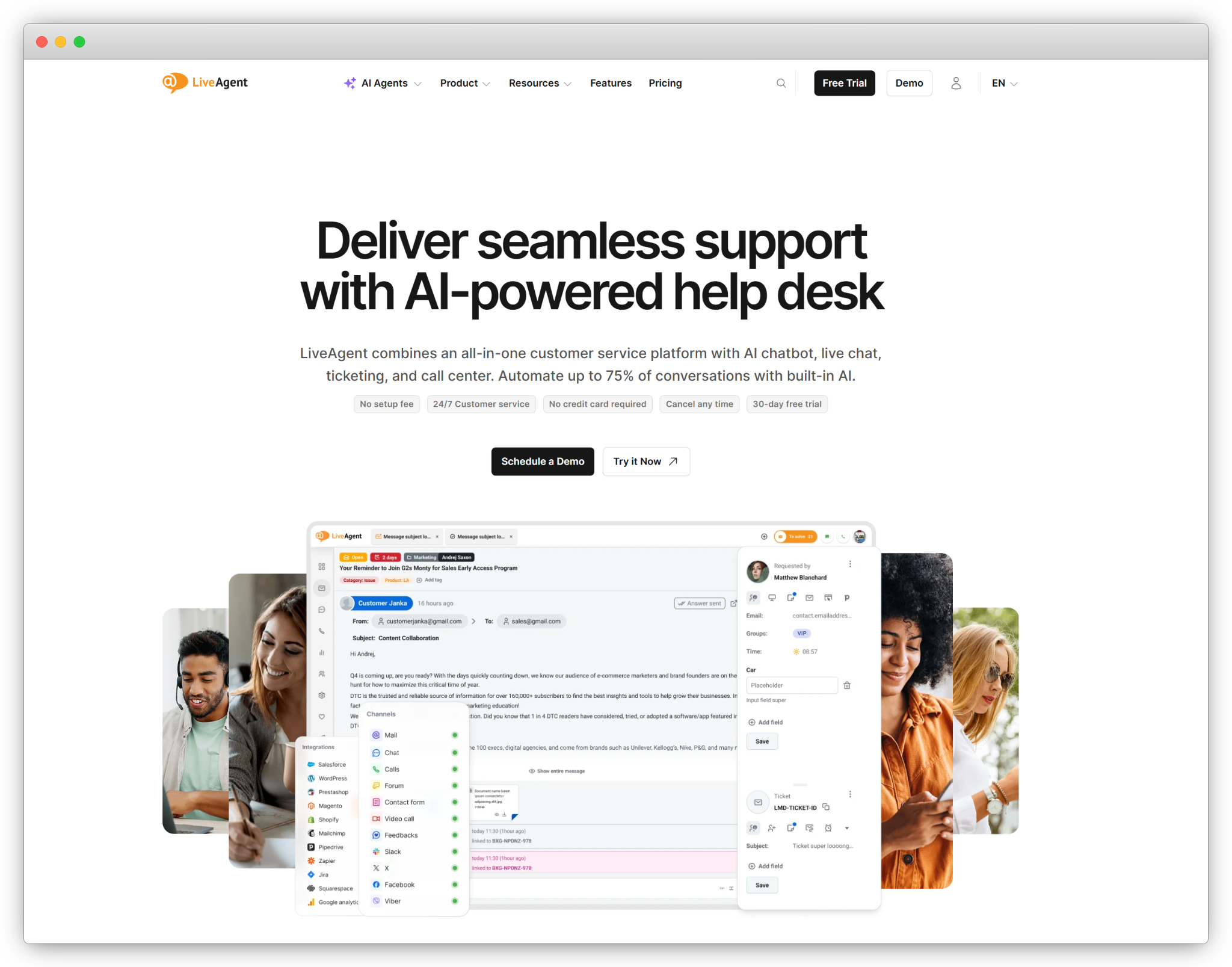
LiveAgent All channels SMB–Mid Enterprise Starts at $15/Month/Agent Value + chat speed
Gorgias E-comm + social E-commerce Starts at $10/Month Shopify integration

1. QuickReply.ai:  Best for D2C and E-commerce Brands That Want WhatsApp-First Omnichannel

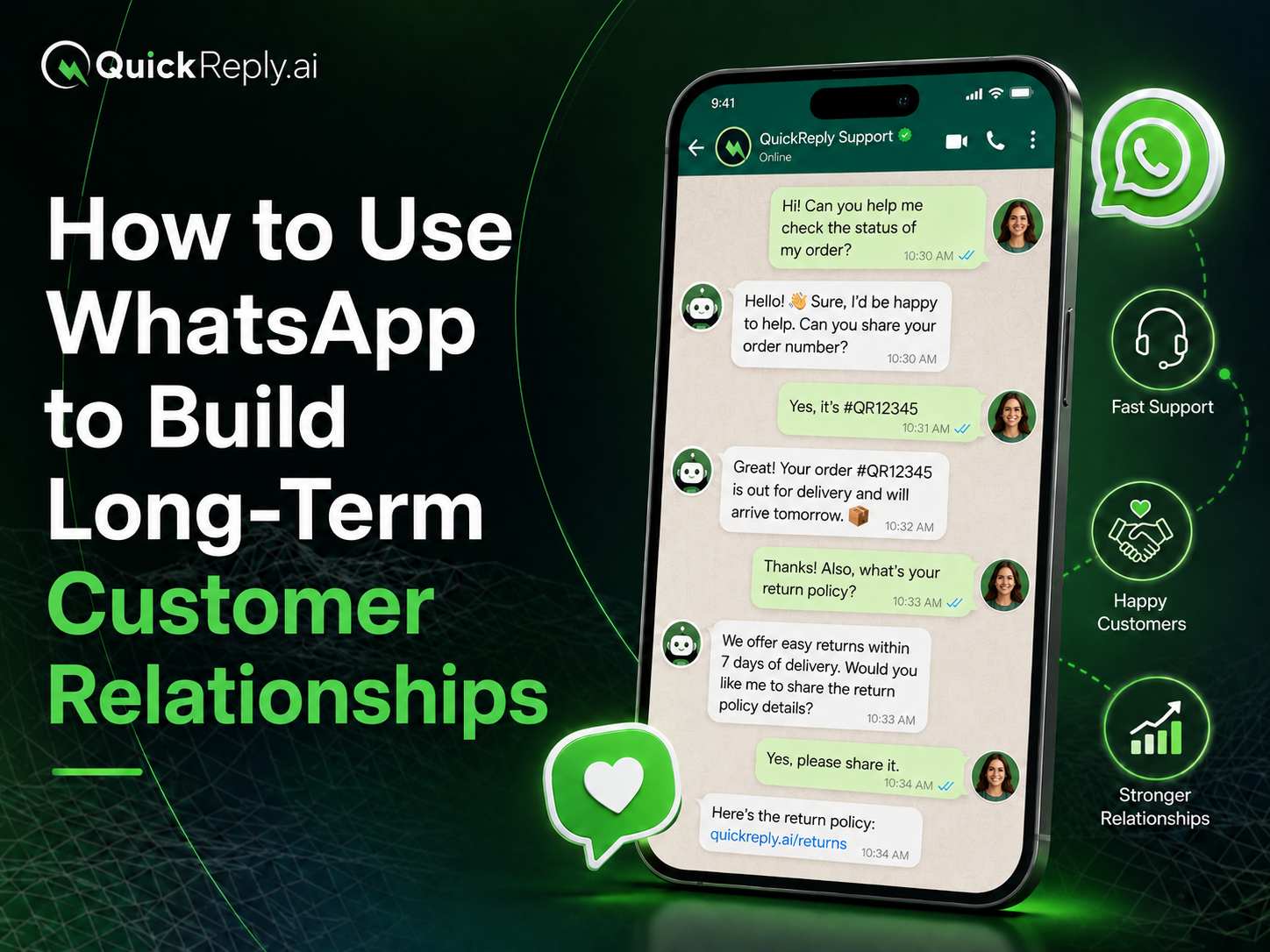
While most platforms treat WhatsApp as one channel among many, QuickReply.ai is built around it, making it a distinctly different option for D2C and e-commerce brands where WhatsApp is a primary customer channel rather than an afterthought.

QuickReply.ai unifies WhatsApp Business API, Instagram DMs, Facebook Messenger, and website chat into a single inbox, enabling support teams to manage all conversational channels from one place. Its Shopify integration is native, and genuinely deep agents can see full order history, trigger abandoned cart recovery messages, send proactive order alerts, and handle support queries all within the same platform workflow.

What sets QuickReply.ai apart is its focus on conversational commerce: the ability to support and sell within the same thread. A customer asks about a delayed order on WhatsApp; the agent resolves it, sees the customer's browsing history, and recommends a related product without ever leaving the conversation. For brands in fashion, health and wellness, beauty, or any category where WhatsApp drives both support and repeat purchase behavior, this kind of integrated workflow has real business value.

Its chatbot capabilities allow teams to automate routine queries (order status, FAQs, return initiation) while routing more complex issues to human agents with full context preserved.

  • Key channels: WhatsApp, Instagram & Messenger, Website Chat
  • Standout capability: Native Shopify integration combining omnichannel support, marketing automation, and conversational commerce in one platform
  • Best fit: D2C brands, fashion, health & wellness, and e-commerce teams, especially those using Shopify, where WhatsApp is a dominant customer communication channel
  • Consideration: Primarily messaging-focused; businesses that need heavy voice or enterprise ticketing workflows may need to complement with another tool.

2.  Zendesk: Robust Omnichannel For Enterprise

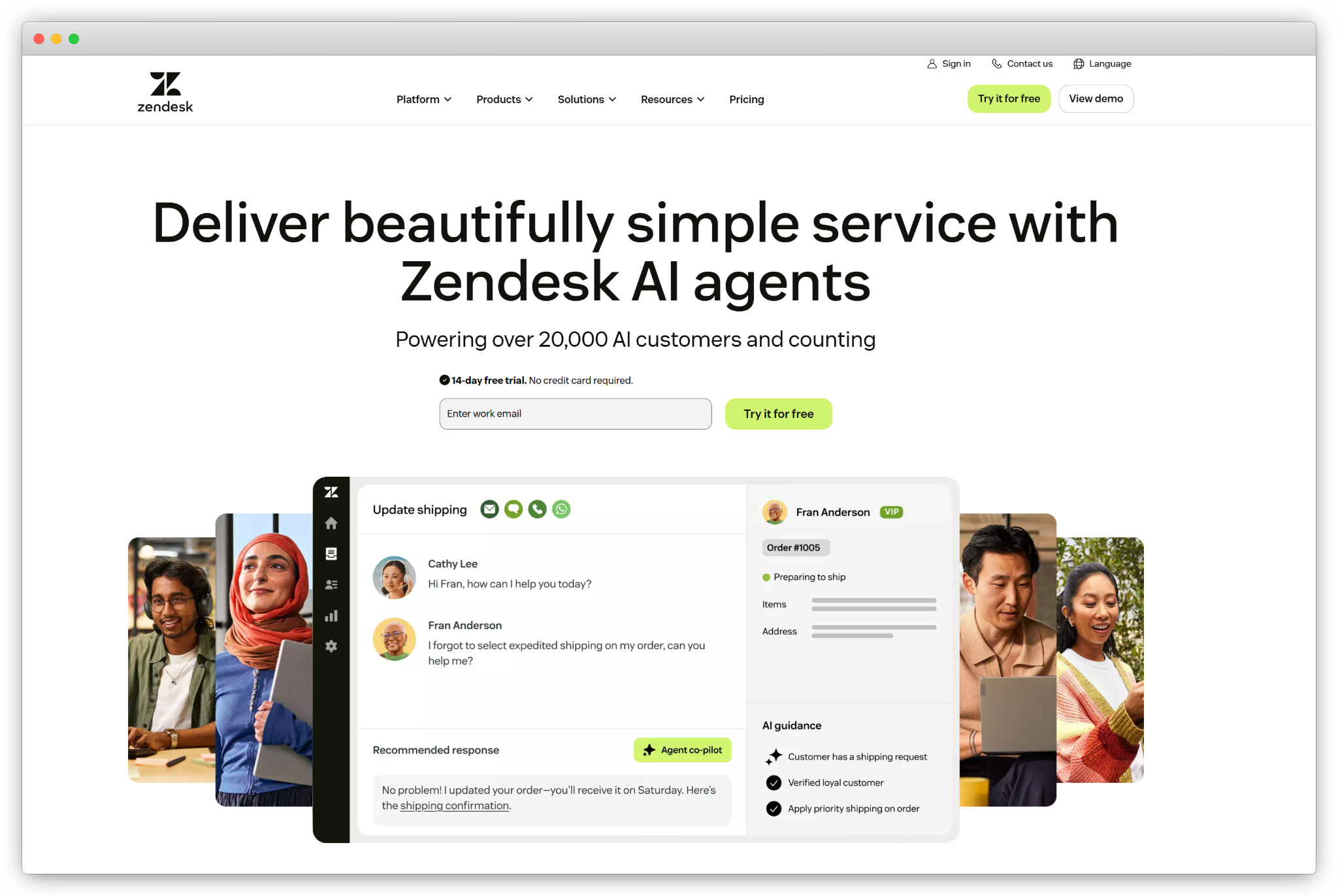
Zendesk is one of the most widely deployed customer service platforms, especially for enterprise teams managing high ticket volumes across multiple channels. It remains a benchmark.

Its omnichannel workspace unifies email, live chat, voice, SMS, WhatsApp, and social media messaging into a single agent view, with intelligent routing, AI-powered response suggestions, and a powerful knowledge base that feeds into both agent and self-service flows. Zendesk's reporting and analytics are among the deepest available, including cross-channel journey tracking, CSAT measurement by channel, and workforce management integrations.

  • Key channels: Email, chat, voice, SMS, WhatsApp, social media, self-service portal.
  • Standout capability: Highly customizable ticket workflows and automation rules; a marketplace of 1,800+ integrations
  • Pricing: Support Team starts at $19/agent/month; Suite Team starts at approximately $55/agent/month; Suite Professional at $115/agent/month
  • Best fit: Mid-to-large enterprise support teams with complex workflows, high volume, and diverse channel needs
  • Consideration: Configuration and ongoing maintenance can be resource-intensive; smaller teams may find it over-engineered for their needs

3.  Freshdesk For SMBs That Want Power Without Complexity

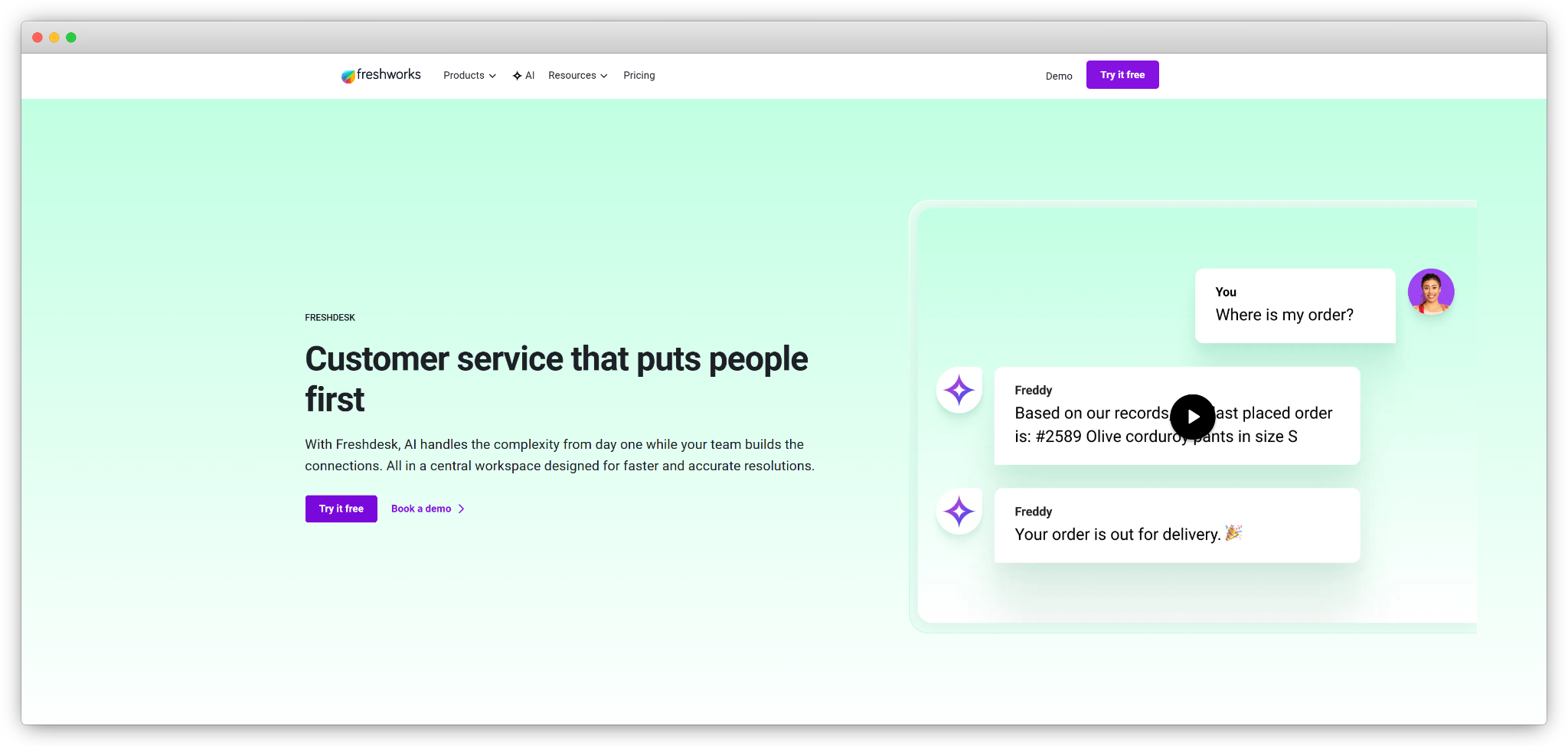
Freshdesk, from Freshworks, is consistently one of the most highly rated platforms for small and mid-sized teams. It supports email, live chat, phone, WhatsApp Business, Facebook Messenger, and Twitter/X all from a central dashboard.

Where Freshdesk earns its reputation is in ease of use. Onboarding is fast, automation rules are intuitive to configure, and the shared inbox makes cross-team collaboration straightforward. Its AI layer (FreddyAI) handles basic ticket classification, response suggestions, and chatbot interactions without requiring extensive setup.

  • Key channels: Email, chat, phone (via integration), WhatsApp, social media
  • Standout capability: Excellent automation and canned responses for high-volume teams; clean agent interface
  • Pricing: Free plan available; paid plans from $19/agent/month; Omnichannel suite from $29/agent/month
  • Best fit: SMBs and growing teams that want a full-featured platform without enterprise-level complexity or cost
  • Consideration: Advanced reporting and AI features are gated behind higher-tier plans

4.  Intercom: For SaaS and Product-Led Businesses

Intercom takes a messaging-first approach to customer support, making it the natural choice for SaaS companies where in-app chat and proactive engagement are central to the customer experience.

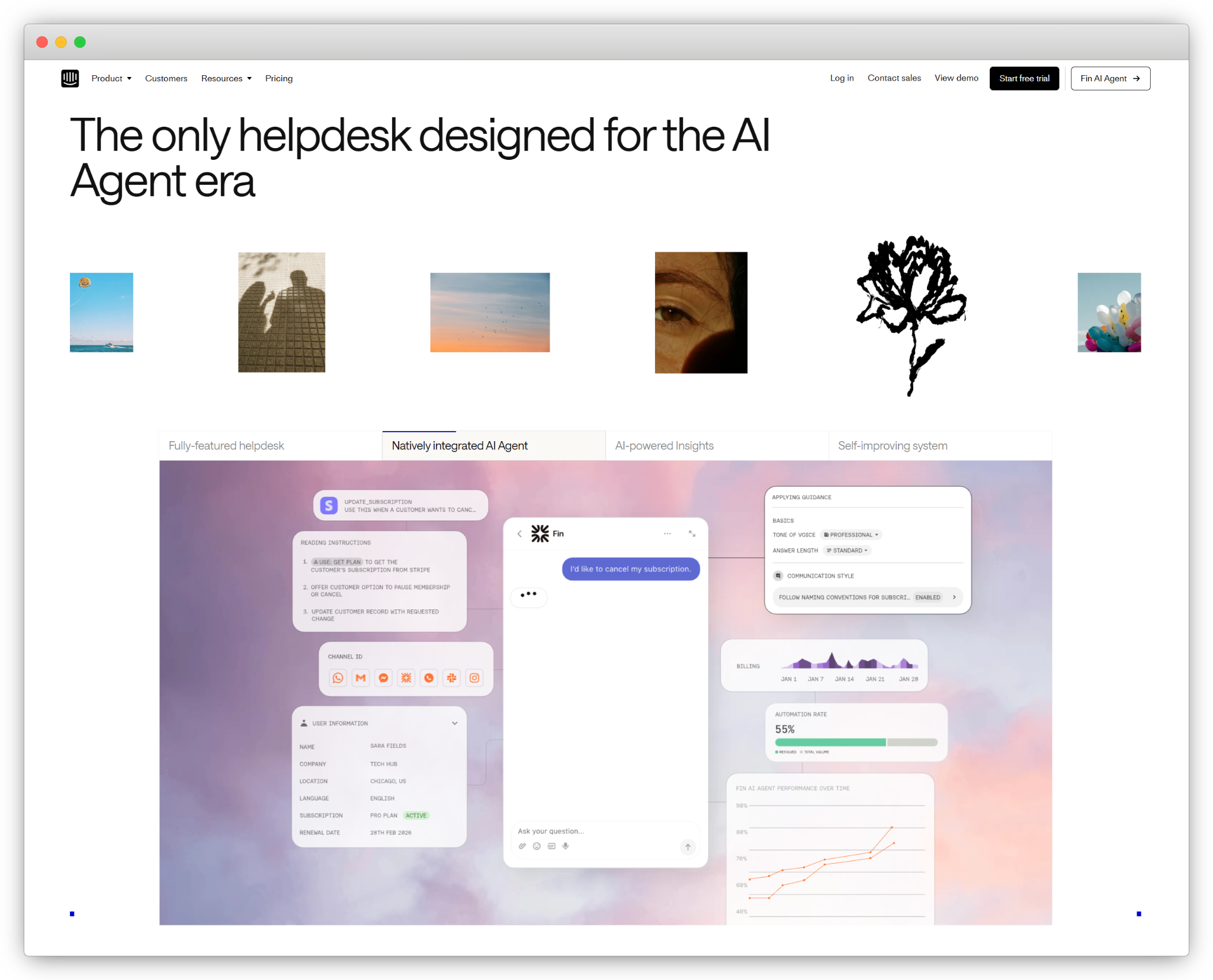
Its omnichannel capabilities span in-app messaging, email, live chat, and WhatsApp, all anchored by a customer data platform that gives agents rich context on user behavior, product usage, and conversation history. 

Intercom's AI agent (Fin) is capable in the market for deflecting routine queries based on your knowledge base to give accurate, conversational answers before escalating to a human.

  • Key channels: In-app messaging, live chat, email, WhatsApp, social
  • Standout capability: Product tours, proactive messaging, and onboarding flows that blur the line between support and engagement
  • Pricing: Starter from $29/month; scales significantly with usage and seat count
  • Best fit: SaaS businesses, product teams, and subscription businesses where customer lifecycle messaging is as important as support
  • Consideration: Pricing can escalate quickly for growing teams; backend reporting has limitations at scale

5.   Kustomer: For Mid-to-Enterprise Teams Needing CRM-Native Omnichannel

Kustomer is built around a different premise than most helpdesk platforms: rather than organizing support around tickets, it organizes everything around the customer. Every interaction across email, chat, SMS, social, voice, and WhatsApp appears in a single timeline tied to a unified customer profile.

This approach gives agents immediate context on who they're speaking with, their full history, and the current sentiment of the relationship before they type a single word. Kustomer's AI layer adds intelligent routing, intent detection, and automation flows that reduce manual triage significantly.

  • Key channels: Email, chat, SMS, WhatsApp, social media, voice
  • Standout capability: Customer-timeline view that unifies all channels; CRM-native architecture eliminates the need for a separate customer database
  • Pricing: Enterprise plans; pricing on request
  • Best fit: Mid-to-large teams in retail, e-commerce, and consumer brands with high interaction volume and complex customer relationships
  • Consideration: Implementation requires investment; pricing is enterprise-tier

6.  HubSpot Service Hub: For Teams Already in the HubSpot Ecosystem

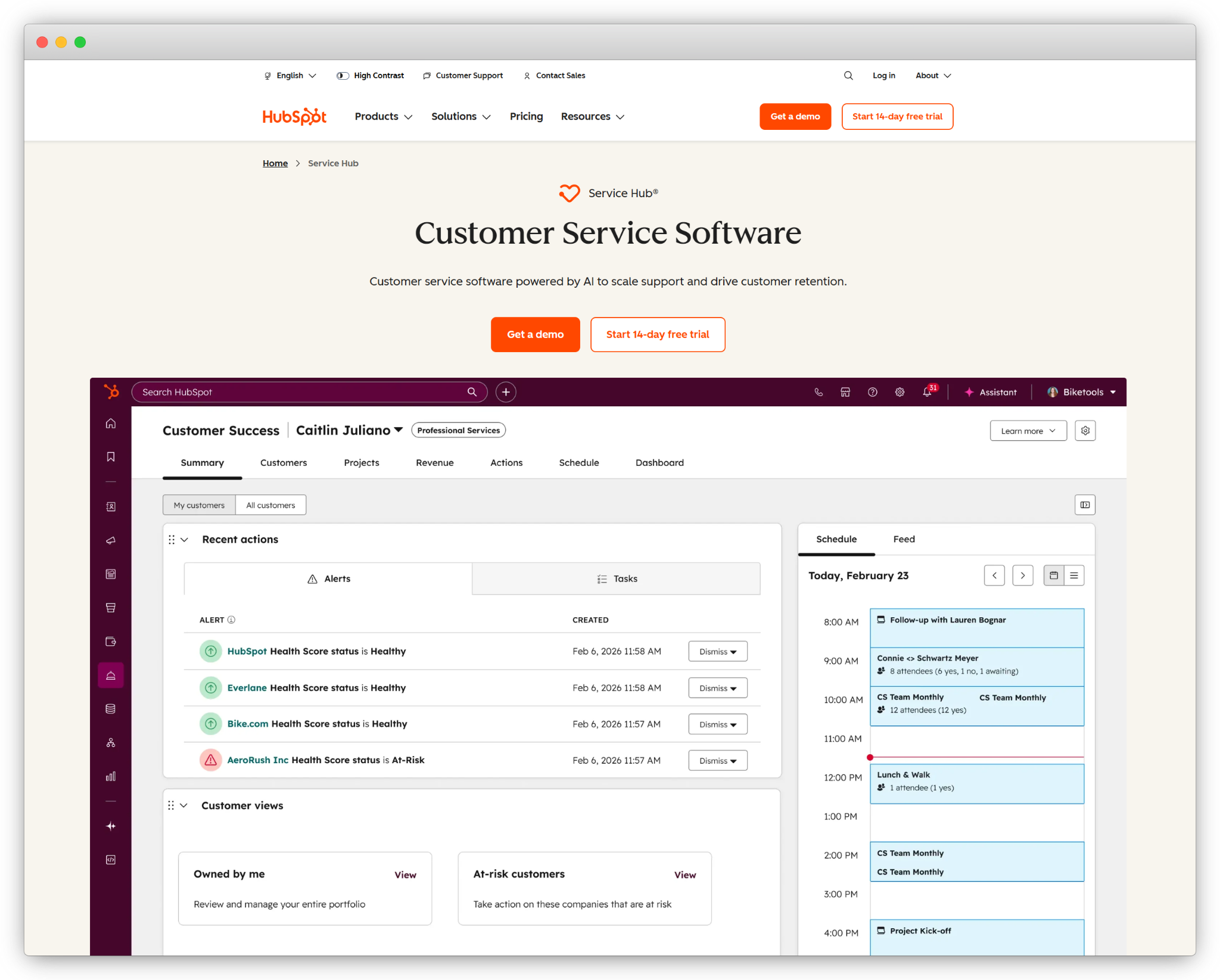
For businesses that run their marketing, sales, and support on HubSpot, Service Hub is the natural omnichannel layer. It brings together email, live chat, a shared inbox, and customer portal functionality, all connected to the same CRM that the rest of the business runs on.

The advantage here is seamless data continuity across the customer lifecycle. A support agent can see exactly what marketing campaigns a customer received, what sales conversations they had, and what their entire relationship with the company looks like without switching platforms.

  • Key channels: Email, live chat, WhatsApp (via integration), Facebook Messenger, customer portal
  • Standout capability: Native CRM integration means zero data silos between marketing, sales, and support
  • Pricing: Free tools available; Starter from $9/seat/month; Professional from $45/seat/month
  • Best fit: HubSpot users looking to unify their CX stack without adding a new vendor
  • Consideration: WhatsApp and some social integrations require additional setup or third-party connectors.

7.   Salesforce Service Cloud: For Large Organizations in the Salesforce Ecosystem

Salesforce Service Cloud is the enterprise-grade option for organizations that are deeply embedded in the Salesforce ecosystem. Its omnichannel capabilities include intelligent case routing, voice integration, messaging (WhatsApp, SMS, social), and a knowledge base, all connected to Salesforce's CRM and powered by Einstein AI.

The platform's depth is unmatched for complex, multi-department service operations. Einstein AI handles predictive routing, case classification, next-best-action recommendations, and automated summarization capabilities that make a measurable difference at enterprise scale.

  • Key channels: Email, voice, chat, WhatsApp, SMS, social media, self-service
  • Standout capability: Salesforce-native data model means every customer interaction is visible to sales, marketing, and service in one platform
  • Pricing: Starts at $25/user/month; Pro plan $25/user/month, and custom pricing for higher plans 
  • Best fit: Large enterprises with existing Salesforce investment and complex, multi-team service operations
  • Consideration: High implementation complexity; significant IT and admin resources required

8.  Zoho Desk: For Budget-Conscious Teams in the Zoho Ecosystem

Zoho Desk delivers a compelling omnichannel feature set at a price point that's genuinely accessible for small and mid-sized teams. It unifies email, chat, phone, social media, and messaging into one interface, with solid automation, AI-powered ticket classification (Zia), and a multi-brand support capability that's useful for agencies or businesses running multiple storefronts.

  • Key channels: Email, chat, phone, WhatsApp (via Zoho Business Messaging), social media, self-service portal
  • Standout capability: Strong automation and multi-brand support; excellent value for Zoho CRM users
  • Pricing: Free edition and paid plan start at $7/agent/month.
  • Best fit: SMBs and mid-market teams looking for a full-featured omnichannel platform on a budget, especially if already using Zoho CRM
  • Consideration: Some advanced features (like full WhatsApp integration) require higher-tier plans or additional Zoho products

9.   Nextiva: For Voice-Forward Businesses Adding Digital Channels

Nextiva started as a business phone system and has evolved into a full omnichannel communication platform. For businesses where voice is still a primary customer channel but digital messaging is growing, Nextiva's combination of cloud telephony and digital channel management is difficult to match.

Its NEXT platform unifies calls, SMS, live chat, email, and social messaging, with AI-powered automation handling up to 90% ofroutine interactions. The platform is particularly strong for contact centers that need to manage both inbound and outbound communication at scale.

  • Key channels: Voice, SMS, live chat, email, social media, WhatsApp
  • Standout capability: Best-in-class voice integration with full digital omnichannel layered on top
  • Pricing: Small business plans from $15/month; enterprise and custom pricing available
  • Best fit: Call-center-centric businesses, healthcare, financial services, and any industry where voice remains the dominant customer channel
  • Consideration: Digital-only businesses may find the platform more than they need

10.   LiveAgent: For High-Volume Teams on a Value Budget

LiveAgent is a mature, well-regarded helpdesk platform that centralizes email, live chat, phone, and social media into a shared inbox. It's particularly strong on live chat speed (widget) and call center features. Its ticketing system is robust, and the platform includes basic automation and a customer portal for self-service.

  • Key channels: Email, live chat, voice, social media, WhatsApp
  • Standout capability: Speed and reliability; competitive pricing for what it offers
  • Pricing: Free plan available; paid plans from $15/agent/month
  • Best fit: Customer-facing teams managing high ticket volumes who need a reliable, cost-effective unified inbox
  • Consideration: AI features are less mature than enterprise alternatives; advanced analytics are limited

11.   Gorgias: For E-commerce Brands on Shopify, WooCommerce, or BigCommerce

Gorgias is purpose-built for e-commerce support. It integrates natively with Shopify, WooCommerce, and BigCommerce, pulling order data, customer history, and purchase details directly into the agent view so teams can respond to support queries (and make product recommendations) without switching tabs.

Its omnichannel coverage spans email, live chat, social media (Instagram, Facebook, TikTok), SMS, and WhatsApp, with automation rules that can handle a significant proportion of routine e-commerce queries (order status, returns, tracking) without human intervention.

  • Key channels: Email, live chat, SMS, WhatsApp, Instagram, Facebook, TikTok
  • Standout capability: Deep e-commerce integration; revenue-per-ticket reporting that ties support directly to sales outcomes
  • Pricing: Starter from $10/month; scales based on ticket volume
  • Best fit: Shopify-powered D2C brands and e-commerce businesses that want support and sales intelligence in the same tool
  • Consideration: Less suited for non-e-commerce businesses; limited voice support

How to Choose the Right Omnichannel Messaging Solution for Your Business

We have shared the 11 top omnichannel messaging solution providers, but choosing the right one depends on your business needs. Follow this five-step framework to shortlist the right one for your business requirements.

Step 1: Map Your Customer Channels First

Before you look at a single feature list, document where your customers actually reach you today and where they want to reach you. Check your support data: which channels generate the most tickets? Where do customers escalate when their first-choice channel fails? Are there channels you're not currently supporting that customers request regularly?

Your platform should be built around your customer's reality, not your vendor's channel lineup.

Step 2: Audit Your Current Tech Stack

What CRM, e-commerce platform, marketing tools, and helpdesk systems are you already running? The best omnichannel platform is often the one that integrates most cleanly with your existing infrastructure, not the one with the longest feature list in isolation. A platform that requires you to replace five other tools is a very different investment than one that plugs in alongside what you already have.

Step 3: Match Platform Scale to Your Team and Volume

A ten-person support team and a five-hundred-person support team have fundamentally different needs. SMBs generally need fast onboarding, intuitive interfaces, and affordable per-seat pricing. Enterprise teams need advanced routing, workforce management, audit logs, and the ability to support multiple departments or brands from a single instance. Don't pay for enterprise complexity you won't use, and don't buy a tool you'll outgrow in eighteen months.

Step 4: Weigh AI Maturity Against Ease of Use

AI features in 2026 vary enormously, from basic keyword-triggered auto-responses to sophisticated intent detection, conversation summarization, and fully autonomous AI agents. More AI capability is not always better. If your team lacks the bandwidth to configure and tune AI workflows, a simpler platform with solid fundamentals will outperform a technically advanced one that's misconfigured. Be realistic about your team's capacity to implement, not just the vendor's capability to deliver.

Step 5: Calculate Total Cost of Ownership

Per-agent pricing is almost never the full story. Factor in the cost of essential add-ons, implementation and onboarding services, API usage fees for messaging channels like WhatsApp, integration development time, and ongoing admin resources. A platform that appears cheaper per seat can quickly become more expensive when the full cost picture is visible. Request detailed pricing that includes all the components you'll actually need, not just the headline plan.

Avoid these Common Mistakes When Implementing Omnichannel Customer Service

Even with the right platform, implementation failures are common. Here are the pitfalls most likely to undermine your results. 

1. Multichannel Disguised as omnichannel. 

The distinction matters in practice, not just on paper. If your "omnichannel" platform still creates separate tickets per channel and requires manual merging, you've bought multichannel at an omnichannel price. Validate the unified conversation experience before signing. 

2. Over-automating before your knowledge base is ready. 

AI-powered self-service is only as good as the content it's trained on. If your knowledge base has gaps, inconsistencies, or outdated information, your chatbot will deliver incorrect answers confidently, which is worse than no automation at all. Build a solid, accurate knowledge base first.

3. Skipping agent training for cross-channel workflows. 

Agents trained to manage one channel will struggle with the mental model shift required for omnichannel support. They need to understand how to read a unified timeline, how to pick up a conversation mid-thread with context, and how their role changes when AI is handling the first layer of triage. Training is not optional; it's what turns the platform investment into actual performance gains. 

4. Ignoring data privacy and compliance.

When you consolidate customer conversations across WhatsApp, email, social media, and chat into a single platform, you're centralizing sensitive data. That creates compliance obligations under GDPR in Europe, DPDP in India, CCPA in California, and HIPAA for healthcare data that may require specific data handling configurations. Don't assume your vendor handles compliance automatically; check if your vendors are compliance-ready or not.

5. Treating implementation as a one-time project. 

Omnichannel support is not a system you set up and walk away from. Customer behavior changes. New channels emerge. AI models need tuning. Routing rules need updating as your team and product evolve. Build in a regular review cadence, quarterly at minimum, to assess what's working and what needs adjustment.

Omnichannel Messaging in Customer Service in 2026

The omnichannel landscape in 2026 is already significantly more advanced than it was two years ago. Here's where the category is heading.

Multimodal AI is becoming the standard

The next generation of omnichannel platforms won't just unify text across channels; they'll unify voice, images, documents, and text within the same conversation thread. A customer can start typing, switch to a voice note, share a screenshot, and the AI maintains full context. Several platforms are already offering early versions of this; it will be table stakes within two years.

Proactive omnichannel support will replace reactive support

The current model is largely reactive: a customer reaches out, a team responds. AI systems are now capable of predicting when a customer is likely to have an issue (based on order status, behavior signals, or past patterns) and initiating contact proactively, before the frustration peaks. Brands that shift to this model will see significant CSAT gains.

WhatsApp will solidify as the dominant support channel in mobile-first markets.

In South Asia, Southeast Asia, Latin America, and much of Africa, WhatsApp is already the primary communication channel for a significant portion of the population. For businesses in or expanding into these markets, WhatsApp-first support is not an optional add-on; it's the core of any viable customer service strategy.

RCS is emerging as the next major channel. 

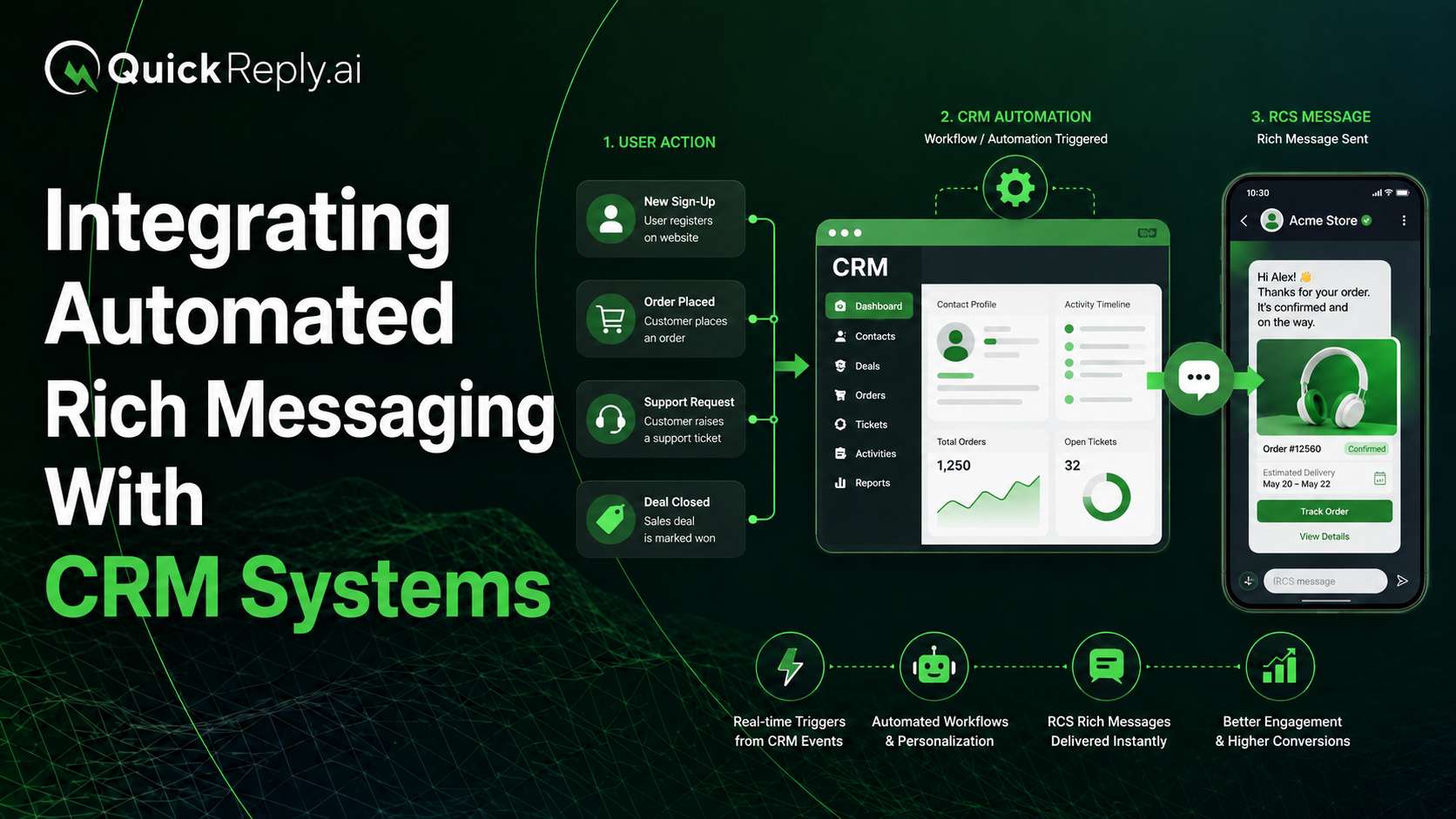
RCS, essentially an upgraded SMS with rich media, read receipts, and interactive buttons, is gaining adoption as Android's default messaging protocol. Forward-looking omnichannel platforms are beginning to incorporate RCS support, and it's worth factoring into your longer-term platform evaluation.

AI governance will become a competitive differentiator. 

As AI handles more customer interactions autonomously, the ability to audit, control, and explain AI behavior will matter both for compliance and for customer trust. Platforms with transparent AI governance frameworks will command a premium from enterprise buyers.

Conclusion

The right omnichannel messaging solution isn't the one with the most features; it's the one that fits your team, your customers, and your channels. 

Enterprise teams managing tens of thousands of interactions across complex workflows will find platforms like Zendesk or Salesforce Service Cloud hard to beat. Mid-size SaaS businesses will gravitate toward Intercom or HubSpot.

Teams prioritizing value without sacrificing capability should look closely at Freshdesk or Zoho Desk. And if you run a D2C or e-commerce brand where WhatsApp, Instagram, and Shopify form the core of your customer relationships, where support and selling happen in the same conversation, a purpose-built tool like QuickReply.ai is worth exploring. This tool is built specifically for the way conversational commerce actually works, and for many D2C brands, that focus is exactly what they need.

Wanted to know more about QuickReply.ai. Click to book a free demo.

Turn 1 time visitor into repeat customer with WhatsApp marketing

Leverage the untapped growth potential of WhatsApp marketing to acquire and retain customers.

Frequently Asked Questions

What is the difference between multichannel and omnichannel customer service?

While both involve using multiple communication channels, multichannel operates in silos. A customer switching from email to live chat has to repeat their issue to a new agent who has no context. Omnichannel unifies all platforms into a single conversation timeline, ensuring customer data, history, and context follow them seamlessly across every touchpoint.

How does AI improve omnichannel customer service in 2026?

AI has matured beyond basic chatbots to handle intent-based routing, automatically directing complex issues to the right agent. It also assists human agents by generating real-time response suggestions, summarizing long cross-channel conversation histories, and handling routine queries (like tracking orders or initiating returns) end-to-end.

Why is WhatsApp-first support becoming essential for retail and D2C brands?

In mobile-first global markets, customers prefer interacting with brands exactly how they do with friends—in short, continuous messaging bursts. Dedicated tools allow D2C brands to blend support with conversational commerce, enabling agents to resolve a query and recommend products in the exact same WhatsApp or Instagram thread.