Best Platforms for Omnichannel Automation in Retail

Copied to clipboard!

Retail customer journeys no longer happen on a single channel.

A customer might discover your brand through an Instagram ad, ask questions on WhatsApp, browse products on your website, abandon their cart, receive a recovery message through email or SMS, and finally place the order after speaking with your support team.

For retail and ecommerce brands, this creates a major operational challenge because customer conversations are scattered everywhere.

Marketing teams run campaigns on Meta and Google. Support teams handle queries across WhatsApp, Instagram, website chat, and email. Operations teams send shipping updates and order confirmations through different tools. Meanwhile, customers expect every interaction to feel connected, instant, and personalized.

And this is where most retail businesses struggle because their communication stack is fragmented.

One tool handles email marketing. Another manages customer support. A separate platform powers WhatsApp campaigns. Cart recovery happens somewhere else. Customer data stays siloed across systems, making it difficult to automate journeys effectively or deliver a consistent experience across channels.

This is exactly where omnichannel automation platforms become critical.

Instead of managing disconnected tools and manual follow-ups, modern omnichannel platforms help retail brands centralize customer communication, automate engagement workflows, and create seamless buying experiences across channels like WhatsApp, Instagram, Facebook Messenger, SMS, email, and website chat.

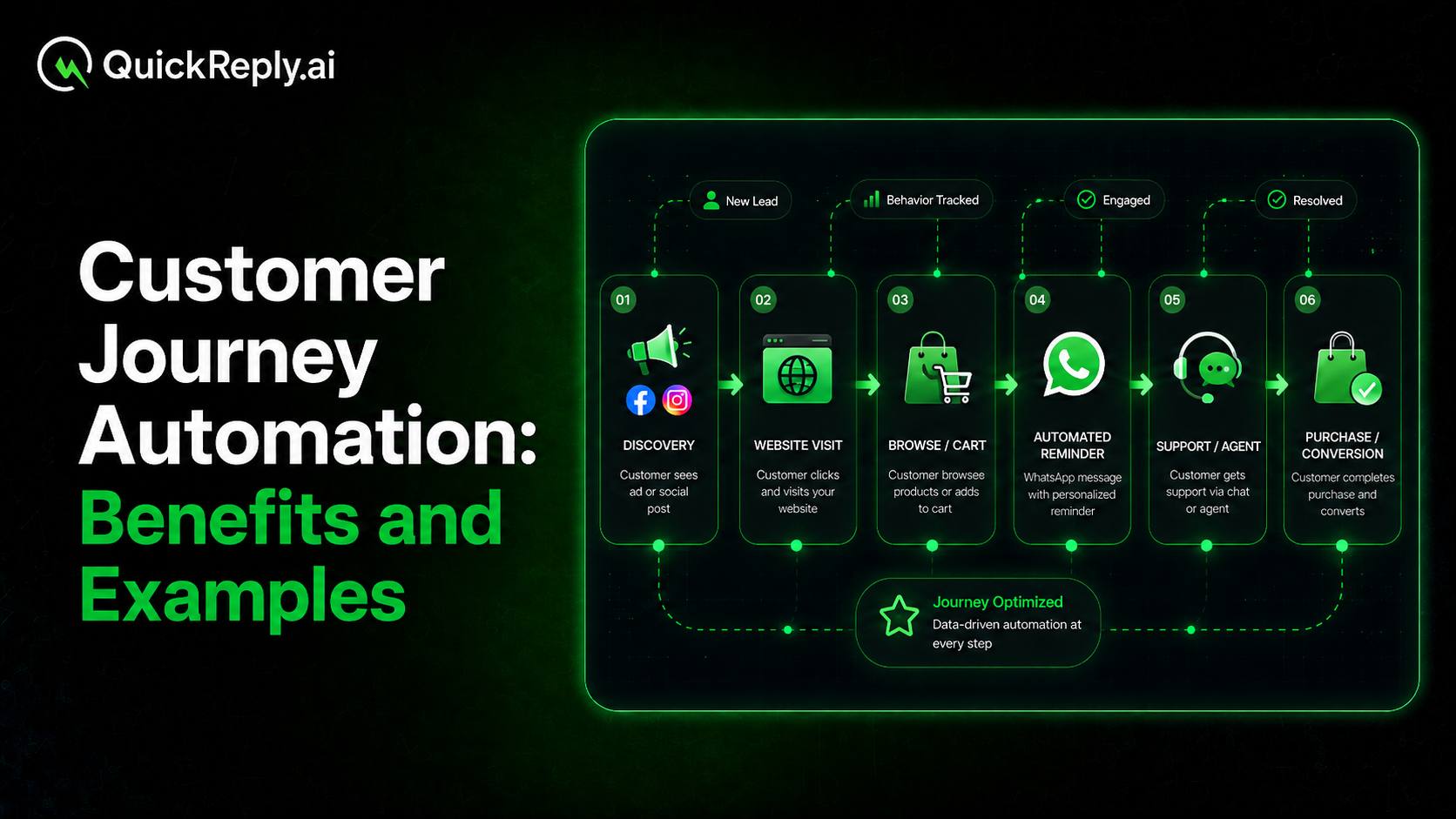
For example, a customer who clicks on a Meta ad can instantly receive automated WhatsApp follow-ups, personalized product recommendations, abandoned cart reminders, payment links, shipping updates, and post-purchase support, all within a unified automation workflow.

And this is no longer limited to enterprise retailers.

D2C brands, ecommerce businesses, retail chains, and fast-growing online stores are increasingly adopting omnichannel automation to:

  • recover abandoned carts
  • automate lead qualification
  • improve customer support response times
  • increase repeat purchases
  • manage high-volume conversations
  • run personalized campaigns at scale
  • and drive more conversions from messaging channels

But the challenge lies in finding the right platform for your business needs.

Some tools are built primarily for email and SMS marketing. Others specialize in customer support automation. Some platforms focus heavily on conversational commerce through WhatsApp and social messaging, while enterprise solutions offer advanced cross-channel orchestration and customer data management.

Whether you’re running a growing Shopify store, managing a D2C brand, or operating a multi-location retail business, this guide will help you identify the right omnichannel automation platform for your customer engagement and growth goals. 

TL;DR

  • Omnichannel automation platforms help retail brands centralize conversations, automate follow-ups, improve response speed, and personalize customer engagement across channels.
  • The right platform should support multi-channel communication, workflow automation, WhatsApp Business API, ecommerce integrations, customer segmentation, AI chatbots, shared inbox, and analytics.
  • QuickReply.ai is a powerful omnichannel automation platform for retail and ecommerce brands focused on WhatsApp commerce, conversational sales, customer journey automation, and messaging-led engagement.
  • Klaviyo is an omnichannel platform for email and SMS retention, Gorgias and Zendesk for customer support, HubSpot for CRM-led engagement, and Braze, MoEngage, and Salesforce Commerce Cloud for larger-scale engagement needs.
  • The best omnichannel automation platform is not the one with the most features, but the one that fits your customer journey, team workflows, channel priorities, and growth stage.

Quick Comparison of Top Omnichannel Automation Platforms

Platform Best For Strongest Capability Pricing Model Ideal Business Size
QuickReply.ai Conversational commerce WhatsApp automation and customer journeys Starts at ₹2999/month billed annually D2C and ecommerce brands
Klaviyo Retention marketing Email and SMS automation Free plan + custom pricing available SMB to mid-sized ecommerce
Gorgias Customer support Ecommerce support workflows Basic Plan starts at $104/month billed annually Ecommerce support teams
Interakt SMB WhatsApp automation WhatsApp campaigns Subscription plans Small businesses
HubSpot CRM automation Customer lifecycle management Hub-based pricing Growing businesses
Zendesk Enterprise support Omnichannel customer service Agent-based pricing Enterprise teams
Freshworks Support and engagement AI support automation Tiered subscription Mid-sized businesses
MoEngage Retention automation Customer engagement journeys Custom pricing Growth-stage brands
Braze Enterprise engagement Advanced personalization Enterprise pricing Large enterprises
Salesforce Commerce Cloud Enterprise commerce Omnichannel retail operations Enterprise pricing Large retail chains
```

Why Retail Businesses Need Omnichannel Automation Platforms

Retail customer communication has become significantly more complex over the last few years.

Customers now expect businesses to respond quickly, personalize interactions, and stay available across the channels they already use daily. At the same time, retail brands are managing increasing volumes of customer conversations generated through ads, ecommerce stores, social media, and messaging platforms.

Without a centralized automation system, this quickly becomes difficult to scale.

1. Customer Conversations Are Fragmented

Most retail businesses communicate with customers across multiple channels simultaneously. Marketing campaigns may run through email, Google, and Meta ads, while support queries arrive on WhatsApp, Instagram, and website chat.

When these systems operate independently, teams lose visibility into the complete customer journey. Customers end up repeating information, follow-ups get delayed, and conversations become inconsistent.

Omnichannel automation platforms solve this by centralizing communication into a unified workflow.

2. Manual Follow-Ups Reduce Conversions

Retail businesses often lose potential customers simply because follow-ups are delayed or inconsistent.

For example:

  • Leads generated from ads may never receive timely responses
  • Abandoned carts may go unrecovered
  • Customers waiting for product information may lose interest
  • Repeat buyers may never receive personalized offers

Automation helps brands instantly engage customers through triggered workflows, improving conversion opportunities without increasing manual effort.

3. Customers Expect Instant Responses

Modern consumers expect fast responses, especially on channels like WhatsApp and Instagram. 

A delayed response can directly impact sales, particularly for D2C and ecommerce brands where customers frequently ask about:

  • Product availability
  • Pricing
  • Delivery timelines
  • Return policies
  • Payment methods

Omnichannel platforms equipped with chat automation and AI-powered workflows help businesses respond instantly, even outside working hours.

4. Cart Abandonment Continues to Impact Revenue

Cart abandonment remains one of the biggest challenges in ecommerce. Many customers leave without completing purchases due to distractions, unanswered questions, offers, or checkout friction. Omnichannel automation platforms allow businesses to recover these customers through:

  • WhatsApp reminders
  • Email follow-ups
  • SMS notifications
  • Personalized offers
  • Retargeting campaigns

This creates additional revenue opportunities without requiring more ad spend.

5. Personalization Becomes Easier at Scale

Retail businesses today are expected to deliver personalized experiences, not generic campaigns.

Omnichannel automation platforms help brands segment customers based on behavior, purchase history, engagement activity, and preferences. This enables businesses to send more relevant recommendations, offers, and follow-ups across channels.

As customer acquisition costs continue to rise, personalization and retention are becoming critical growth drivers for retail brands.

6. Teams Operate More Efficiently

Without automation, retail teams spend significant time handling repetitive communication tasks manually. Omnichannel platforms reduce operational workload by automating:

  • Lead qualification
  • FAQs
  • Order updates
  • Appointment confirmations
  • Campaign triggers
  • Support routing
  • Customer re-engagement

This allows marketing, support, and sales teams to focus on higher-value customer interactions instead of repetitive tasks.

Key Features to Look for in an Omnichannel Automation Platform

Not all omnichannel automation platforms are built for the same type of retail business.

Some tools focus primarily on email marketing, while others specialize in customer support, conversational commerce, or enterprise customer engagement. Choosing the right platform depends on the channels you use, the type of customer journeys you want to automate, and how your business operates at scale.

Before selecting a platform, retail businesses should evaluate the following features carefully.

1. Multi-Channel Communication Support

The foundation of any omnichannel platform is its ability to support multiple communication channels from a unified interface.

At a minimum, modern retail brands should look for platforms that support:

  • WhatsApp
  • Instagram
  • Facebook Messenger
  • SMS/RCS
  • Email
  • Website live chat

The goal is to manage customer interactions consistently across channels instead of switching between separate tools.

This becomes especially important for retail brands running campaigns across Meta ads, ecommerce stores, and messaging channels simultaneously.

2. Workflow Automation Capabilities

Automation is one of the biggest reasons businesses invest in omnichannel platforms.

A good platform should allow you to automate customer journeys using triggers, conditions, and behavioral actions. For retail businesses, this includes workflows such as:

  • Abandoned cart recovery
  • Lead qualification
  • Order confirmations
  • Shipping updates
  • Post-purchase follow-ups
  • Re-engagement campaigns
  • Customer support routing

Platforms with visual workflow builders are often easier for marketing and support teams to manage without relying heavily on developers.

3. WhatsApp Business API Integration

WhatsApp has become one of the most important communication channels for retail and ecommerce businesses, especially in conversational commerce.

Platforms that offer official WhatsApp Business API integration allow businesses to:

  • Automate customer conversations
  • Send transactional notifications
  • Recover abandoned carts
  • Run click-to-WhatsApp ad campaigns
  • Provide customer support
  • Share product catalogs and payment links

For brands heavily dependent on Meta advertising and mobile commerce, WhatsApp automation can significantly improve lead conversion and retention.

4. Ecommerce Platform Integrations

Retail automation platforms should integrate smoothly with ecommerce systems like Shopify, WooCommerce, Magento, BigCommerce, and other commerce platforms.

These integrations help automate real-time workflows using customer and order data, such as:

  • Cart abandonment triggers
  • Product recommendations
  • Order tracking notifications
  • Repeat purchase reminders
  • Customer segmentation

Without ecommerce integrations, automation workflows become limited and harder to scale effectively.

5. Customer Segmentation and Personalization

Modern retail marketing depends heavily on personalization.

The right platform should allow businesses to segment customers based on:

  • Purchase history
  • Browsing behavior
  • Engagement activity
  • Location
  • Customer lifecycle stage
  • Campaign interactions

This helps brands deliver more relevant campaigns instead of generic mass messaging, improving both engagement and conversion rates.

6. AI Chatbots and Conversational Automation

AI-powered automation is becoming increasingly important for handling large-scale customer communication efficiently.

Retail brands should look for platforms that offer:

  • AI chatbots
  • Automated FAQs
  • Conversational workflows
  • Lead qualification automation
  • Intelligent support routing

These capabilities help businesses respond instantly to customer queries while reducing support workload.

7. Shared Team Inbox and Agent Collaboration

As communication volume grows, managing conversations across teams becomes difficult without a centralized workspace.

A shared team inbox allows sales, marketing, and support teams to collaborate from a single dashboard while maintaining conversation history and customer context.

This improves response efficiency and prevents duplicated or missed conversations.

8. Campaign Analytics and Reporting

Automation without performance tracking creates blind spots.

A strong omnichannel platform should provide analytics for:

  • Campaign performance
  • Message delivery
  • Click-through rates
  • Conversion tracking
  • Response times
  • Customer engagement
  • Agent productivity

Retail businesses need visibility into which channels and workflows are driving actual revenue and customer retention.

9. Scalability for Growing Retail Businesses

The platform you choose should support your business as communication volume increases.

What works for a small ecommerce store may not work for a fast-growing D2C brand or multi-location retail chain. Businesses should evaluate:

  • Automation limits
  • Channel scalability
  • API capabilities
  • Team management features
  • Enterprise support
  • Advanced workflow flexibility

Choosing a scalable platform early can prevent operational bottlenecks later as the business grows.

Best Platforms for Omnichannel Automation in Retail

Choosing the right omnichannel automation platform depends on your business model, communication channels, customer engagement strategy, and operational scale.

Some platforms are designed specifically for conversational commerce and WhatsApp automation, while others focus more on email marketing, customer support workflows, or enterprise customer engagement. Retail businesses should evaluate platforms based on how well they support their actual workflows instead of simply comparing feature lists.

Below are some of the best omnichannel automation platforms for retail and ecommerce businesses.

1. QuickReply.ai

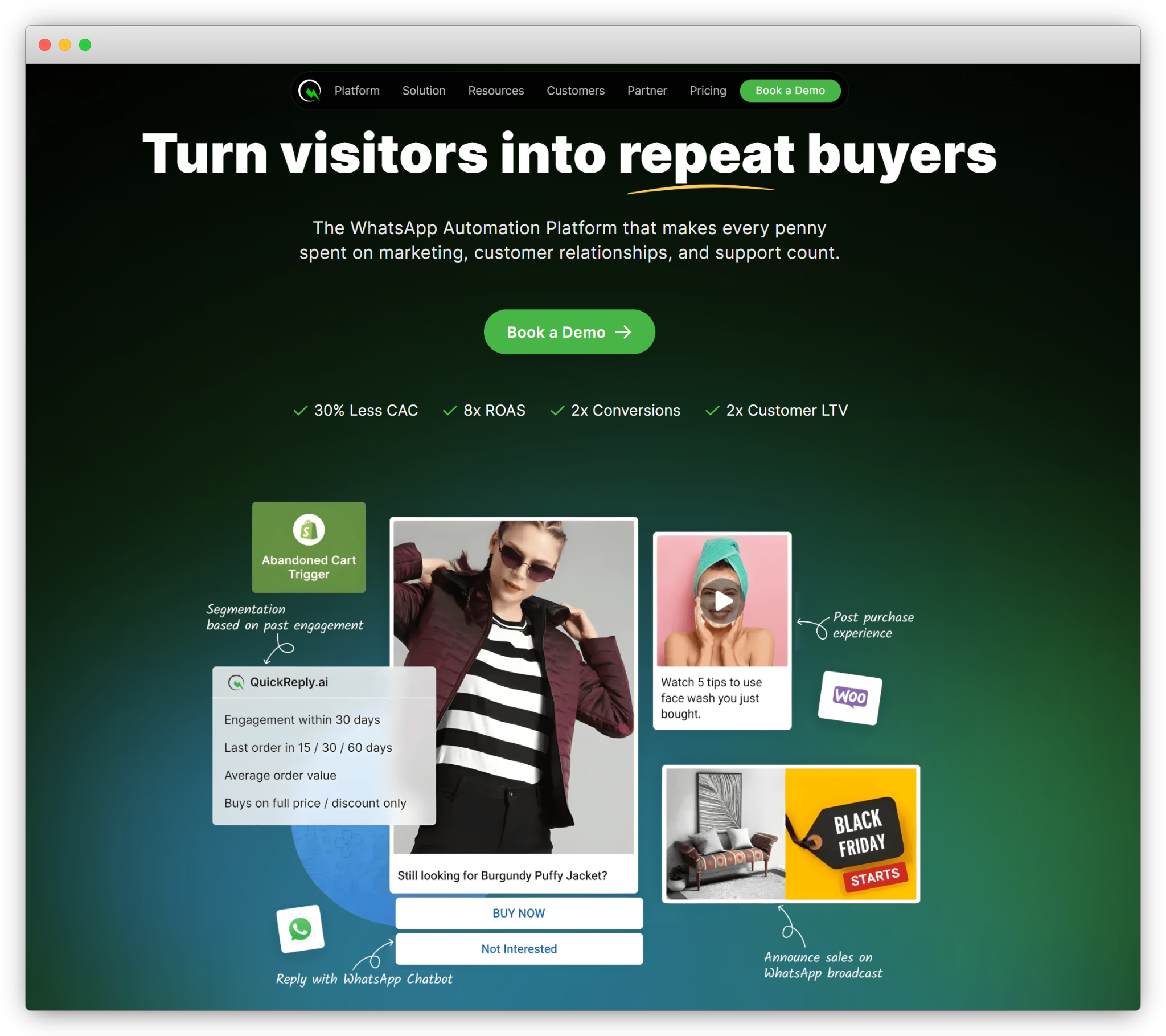
QuickReply.ai

Best for: WhatsApp commerce, conversational sales, retail automation, and ecommerce customer engagement 

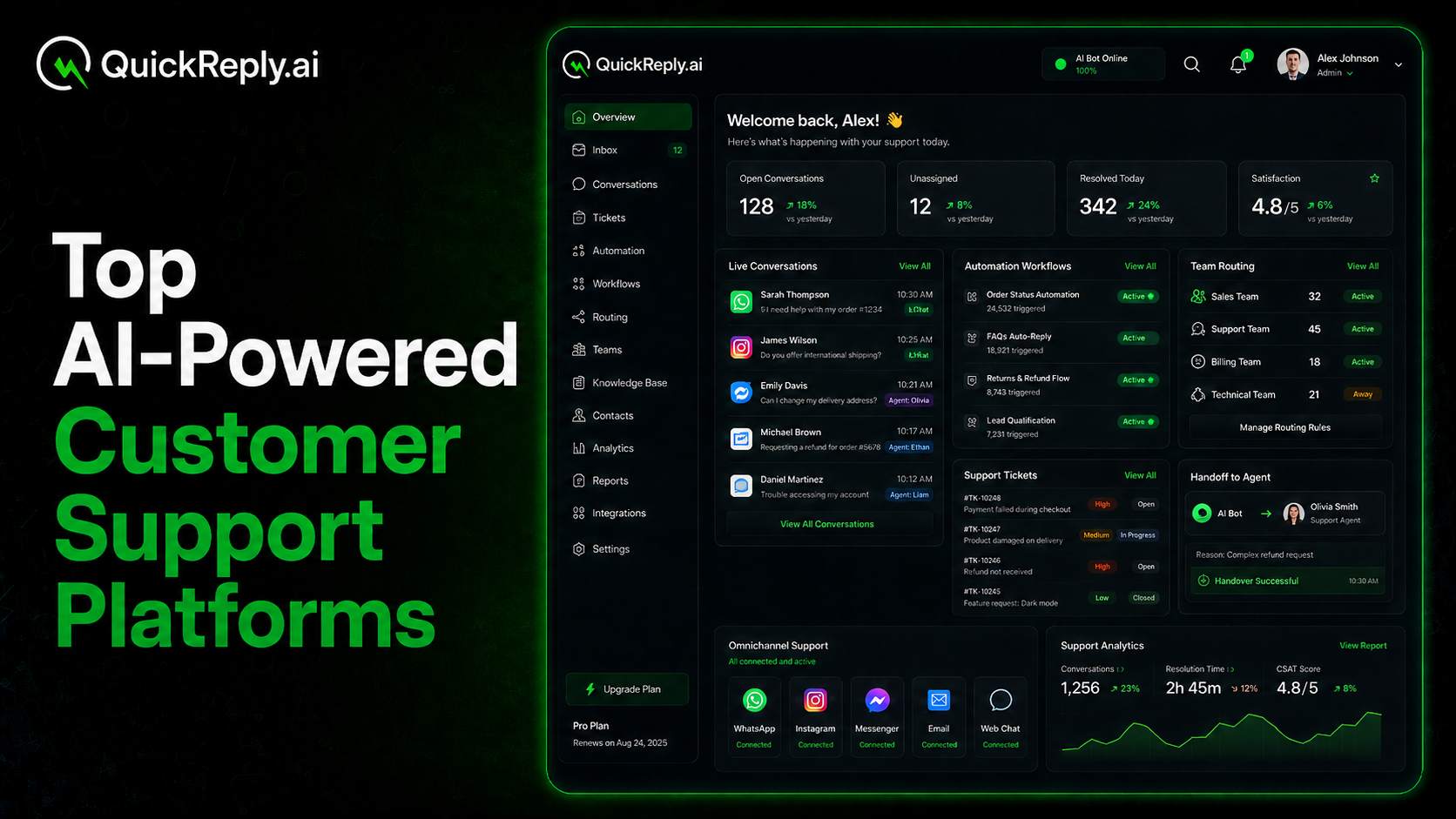
QuickReply.ai is designed specifically for retail and ecommerce brands that want to automate customer communication across messaging channels while improving conversions and support efficiency.

The platform is particularly strong for businesses using WhatsApp as a primary customer engagement channel. Retail brands can automate customer journeys across WhatsApp, Instagram, Facebook Messenger, SMS, RCS, email, and website chat from a centralized system.

QuickReply.ai is especially useful for:

  • Abandoned cart recovery
  • Click-to-WhatsApp ad automation
  • COD verification
  • Order confirmations
  • Customer support automation
  • Shipping updates
  • Conversational sales workflows

Key Features

  • Omnichannel inbox
  • WhatsApp Business API automation
  • AI-powered chatbot workflows
  • Shopify and ecommerce integrations
  • Broadcast campaigns
  • Shared team inbox
  • Customer journey automation
  • Cart recovery workflows

Pros

  • Strong WhatsApp commerce capabilities
  • Built specifically for retail and ecommerce workflows
  • Good support for Meta ad to WhatsApp journeys
  • Unified communication across multiple messaging channels
  • Automation workflows designed for customer engagement and conversions

Limitations

  • Businesses heavily focused on email-first marketing may require additional tools
  • Advanced enterprise customization may depend on specific implementation needs

Pricing

Annual plan starts at ₹2,999/month. Custom pricing is available for large enterprises based on their business requirements and messaging usage.

Ideal For

  • D2C brands
  • Ecommerce businesses
  • Retail brands running Meta ads
  • Businesses prioritizing conversational commerce

2. Klaviyo

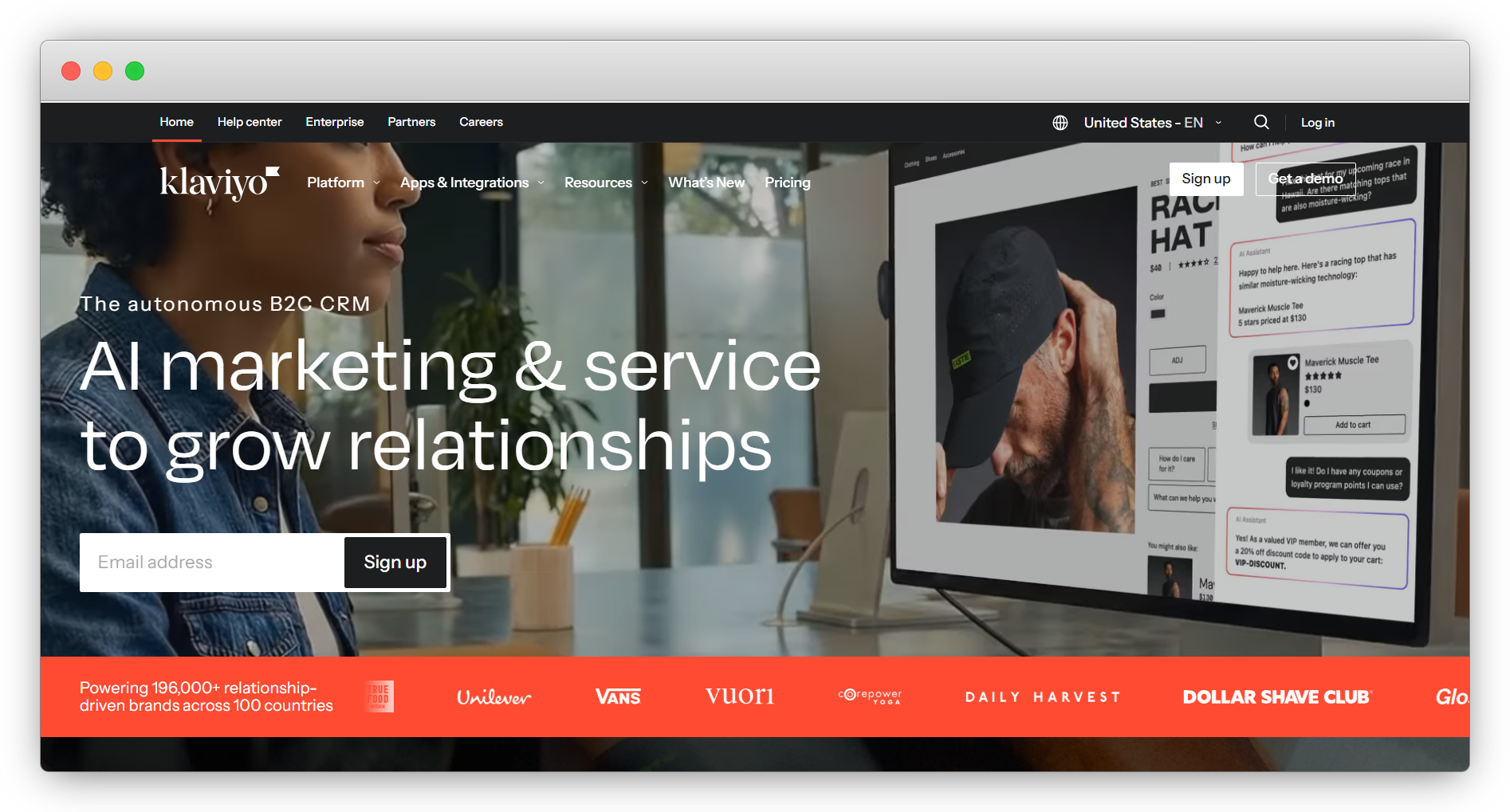
Klaviyo

Best for: Email and SMS marketing automation for ecommerce brands

Klaviyo is one of the most popular ecommerce marketing automation platforms, especially among Shopify brands. It focuses heavily on retention marketing, customer segmentation, and personalized email and SMS campaigns.

Retail businesses commonly use Klaviyo for:

  • Abandoned cart emails
  • Post-purchase automation
  • Customer retention campaigns
  • Product recommendations
  • Customer lifecycle marketing

Key Features

  • Email and SMS automation
  • Customer segmentation
  • Ecommerce analytics
  • Personalized campaigns
  • Shopify integrations
  • Behavioral targeting

Pros

  • Excellent ecommerce email automation
  • Strong segmentation and personalization capabilities
  • Deep Shopify ecosystem integration
  • Powerful analytics for retention marketing

Limitations

  • Limited conversational commerce capabilities
  • Not primarily built for messaging-first customer journeys
  • WhatsApp automation support is limited compared to dedicated messaging platforms

Pricing

Free plan available. Paid plans scale based on contacts and messaging volume.

Ideal For

  • Ecommerce brands focused on retention
  • Shopify businesses
  • Email and SMS-driven marketing teams

3. Gorgias

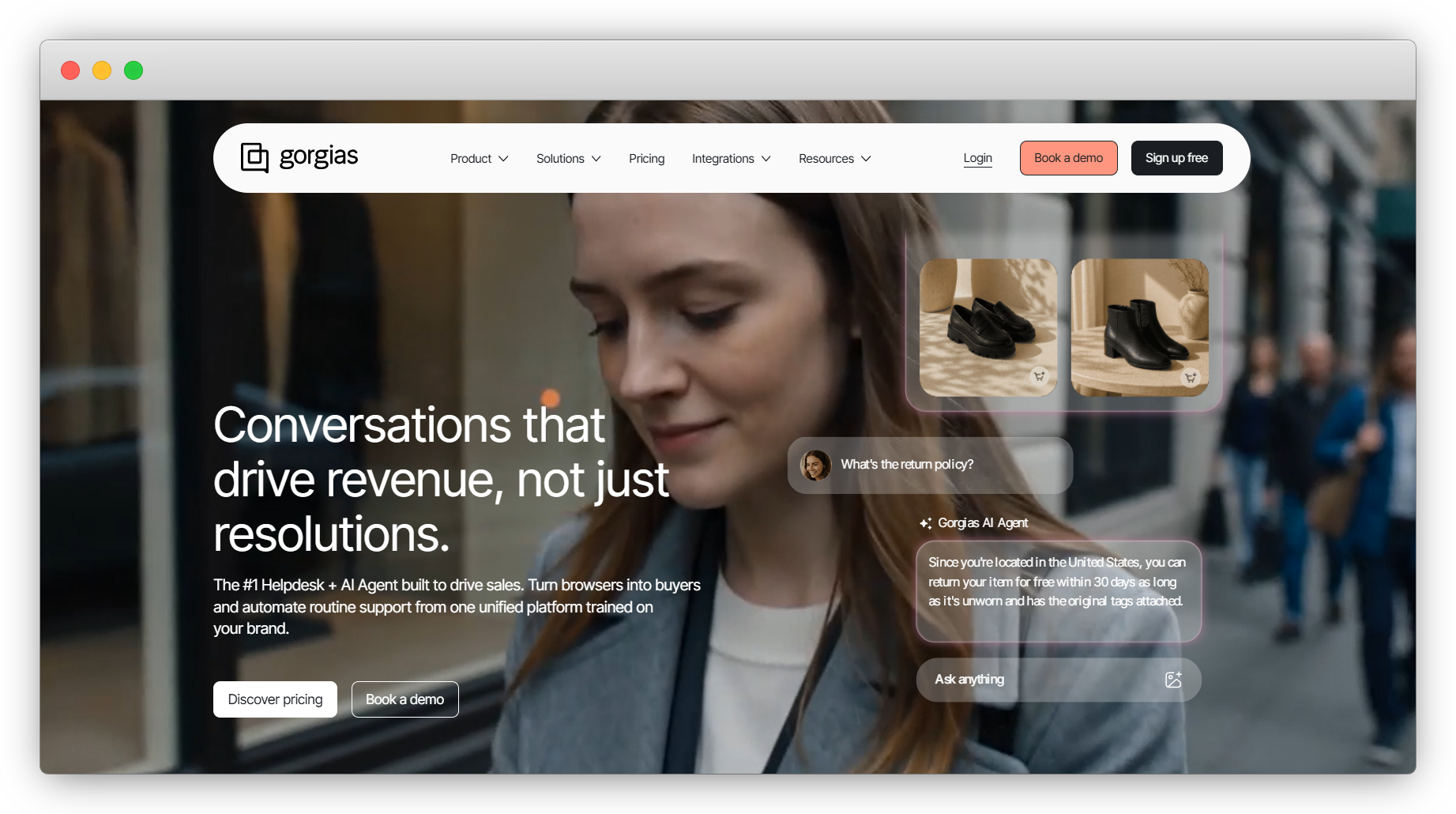
Gorgias

Best for: Ecommerce customer support automation

Gorgias is built primarily for ecommerce support teams managing large volumes of customer conversations.

The platform centralizes support interactions from email, chat, social media, and ecommerce stores into a unified dashboard while offering automation for repetitive support tasks.

Key Features

  • Omnichannel support inbox
  • Ecommerce integrations
  • Automated support workflows
  • Customer ticket management
  • Live chat
  • AI supports automation

Pros

  • Strong ecommerce support functionality
  • Good Shopify and ecommerce platform integrations
  • Helps reduce repetitive support workload
  • Centralized customer support management

Limitations

  • Less focused on marketing automation
  • Limited customer acquisition and conversational commerce capabilities
  • Better suited for support operations than sales automation

Pricing

Basic Plan starts at $104/month billed annually. Price may vary based on support ticket volume and feature requirements.

Ideal For

  • Support-heavy ecommerce brands
  • Retail businesses with large customer service teams

4. Interakt

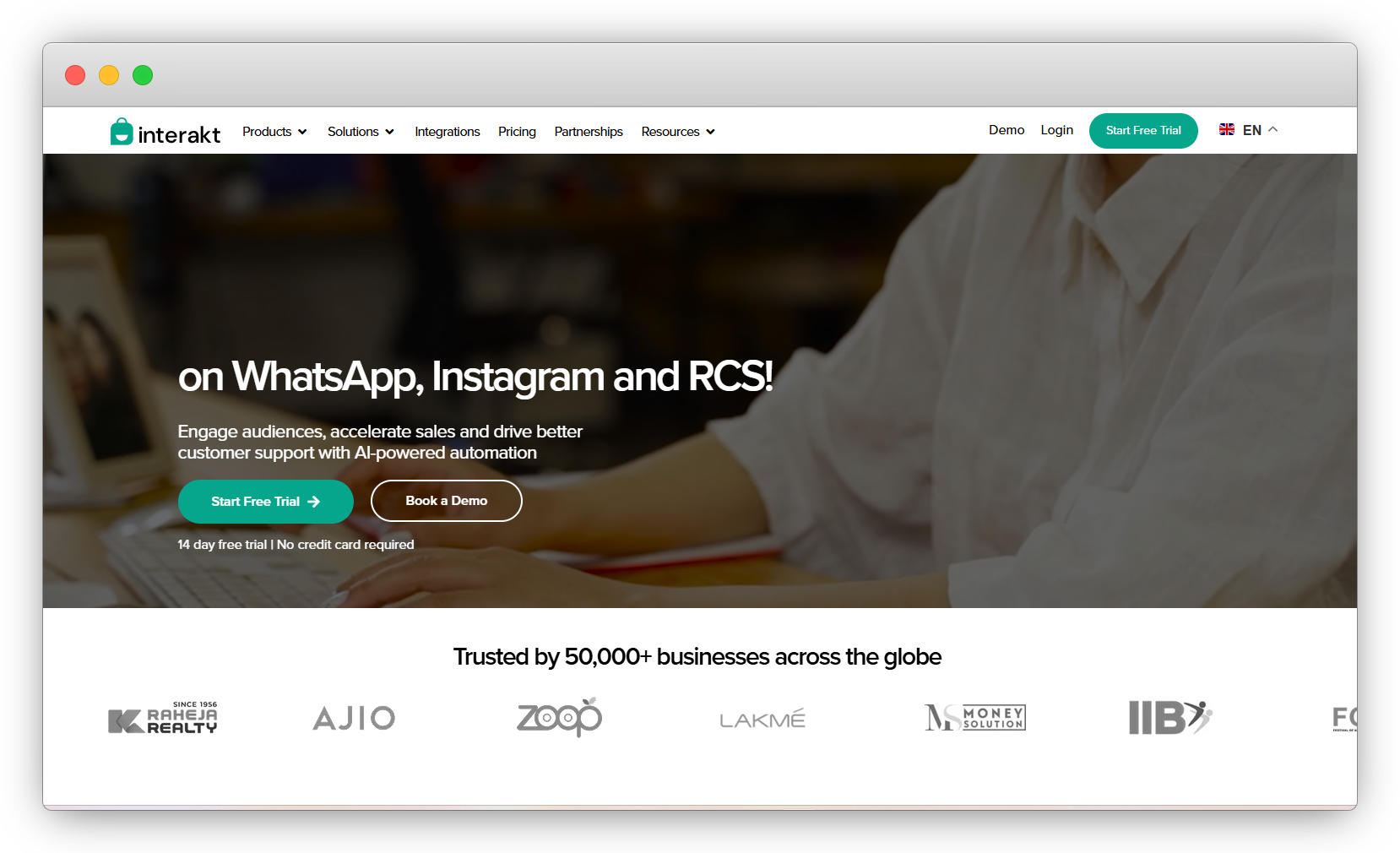
Interakt

Best for: SMB WhatsApp automation

Interakt is commonly used by small and mid-sized businesses looking for affordable WhatsApp automation and customer communication tools. It allows businesses to automate:

  • WhatsApp campaigns
  • Support conversations
  • Order updates
  • Customer engagement workflows

Key Features

  • WhatsApp Business API
  • Shared inbox
  • Broadcast messaging
  • Basic automation workflows
  • Ecommerce integrations

Pros

  • Easy to set up for SMBs
  • Affordable entry point for WhatsApp automation
  • Useful for basic customer engagement workflows
  • Good for smaller retail operations

Limitations

  • Limited advanced automation compared to enterprise platforms
  • Fewer omnichannel capabilities outside WhatsApp
  • Advanced personalization features may be limited

Pricing

Subscription-based pricing with plans for small and growing businesses.

Ideal For

  • Small retail businesses
  • SMB ecommerce brands
  • Businesses starting with WhatsApp automation

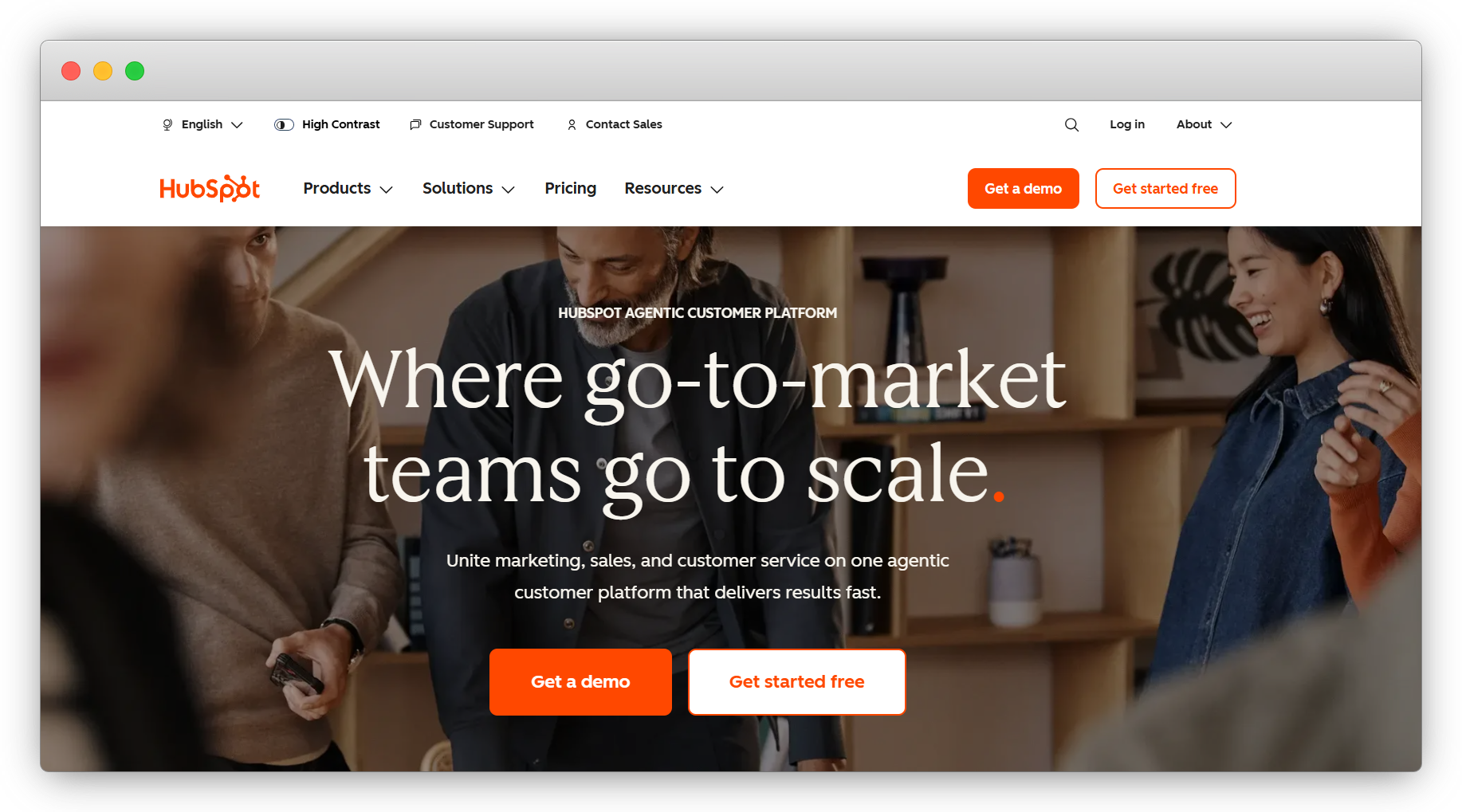
5. HubSpot

HubSpot

Best for: CRM-driven omnichannel customer engagement

HubSpot combines CRM, sales, customer service, and marketing automation into a single ecosystem. Retail businesses use HubSpot to automate:

  • Lead nurturing
  • Customer segmentation
  • Email marketing
  • Support workflows
  • Lifecycle campaigns

Key Features

  • CRM platform
  • Marketing automation
  • Email campaigns
  • Customer segmentation
  • Sales pipeline automation
  • Customer service tools

Pros

  • Strong CRM capabilities
  • Unified customer lifecycle management
  • Good reporting and analytics
  • Scalable ecosystem for growing businesses

Limitations

  • Can become expensive as teams scale
  • Not specifically optimized for ecommerce conversational commerce
  • WhatsApp functionality may require integrations

Pricing

Free CRM available. Paid plans vary based on hubs, contacts, and users.

Ideal For

  • Growing retail brands
  • CRM-focused businesses
  • Companies needing sales and marketing alignment

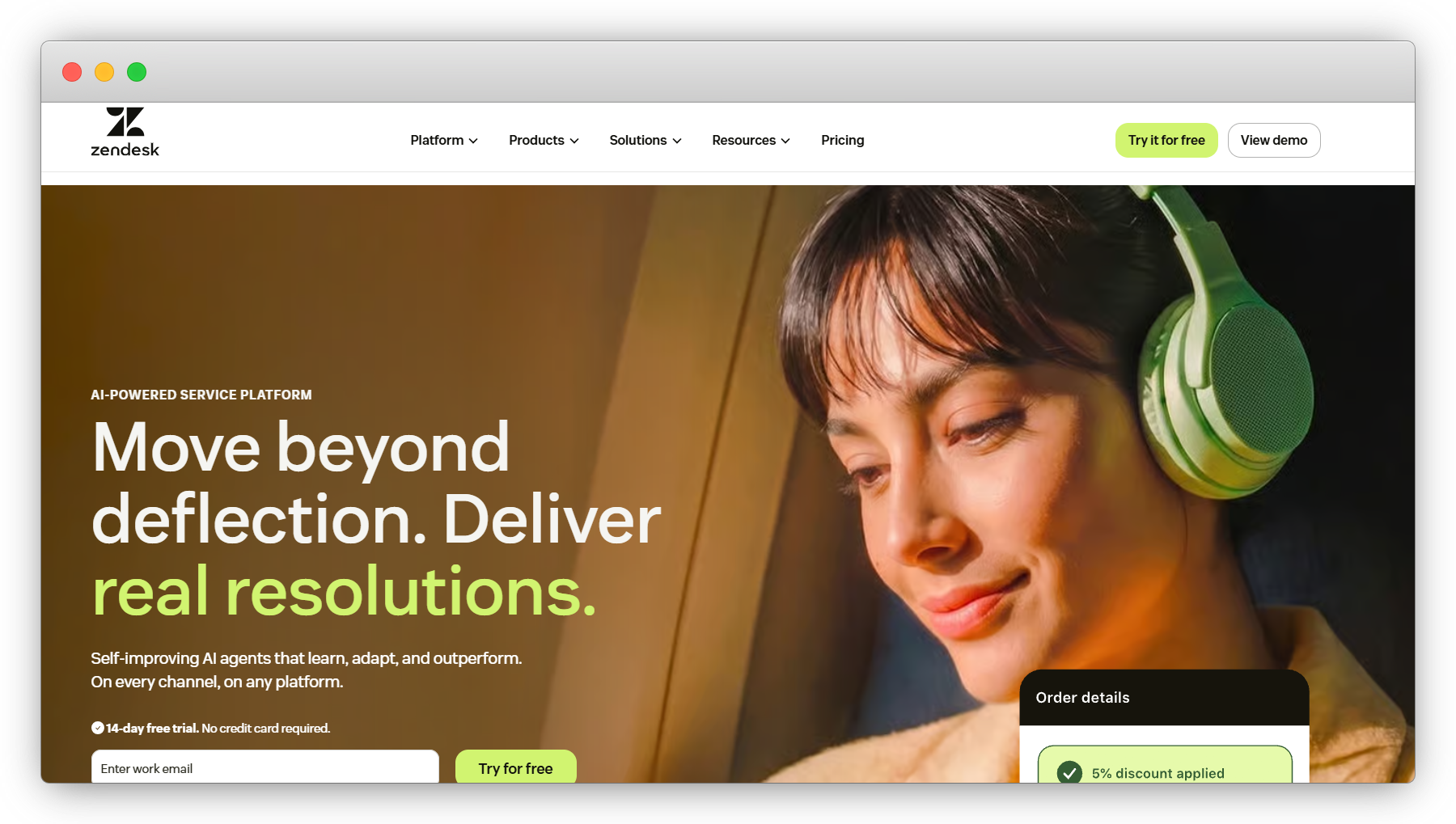
6. Zendesk

Zendesk

Best for: Large-scale omnichannel customer support

Zendesk is one of the most established customer support platforms for enterprise-grade service operations.

The platform supports customer communication across email, live chat, messaging apps, social media, and voice channels.

Key Features

  • Omnichannel support system
  • Ticketing workflows
  • AI-powered support automation
  • Knowledge base management
  • Team collaboration tools
  • Reporting dashboards

Pros

  • Strong enterprise support infrastructure
  • Reliable omnichannel support management
  • Scalable for large teams
  • Advanced customer service workflows

Limitations

  • More support-focused than marketing-focused
  • Complex setup for smaller businesses
  • Advanced automation features may increase costs

Pricing

Tiered pricing based on agents and support functionality.

Ideal For

  • Enterprise retail brands
  • Large customer support teams
  • Businesses handling high support volumes

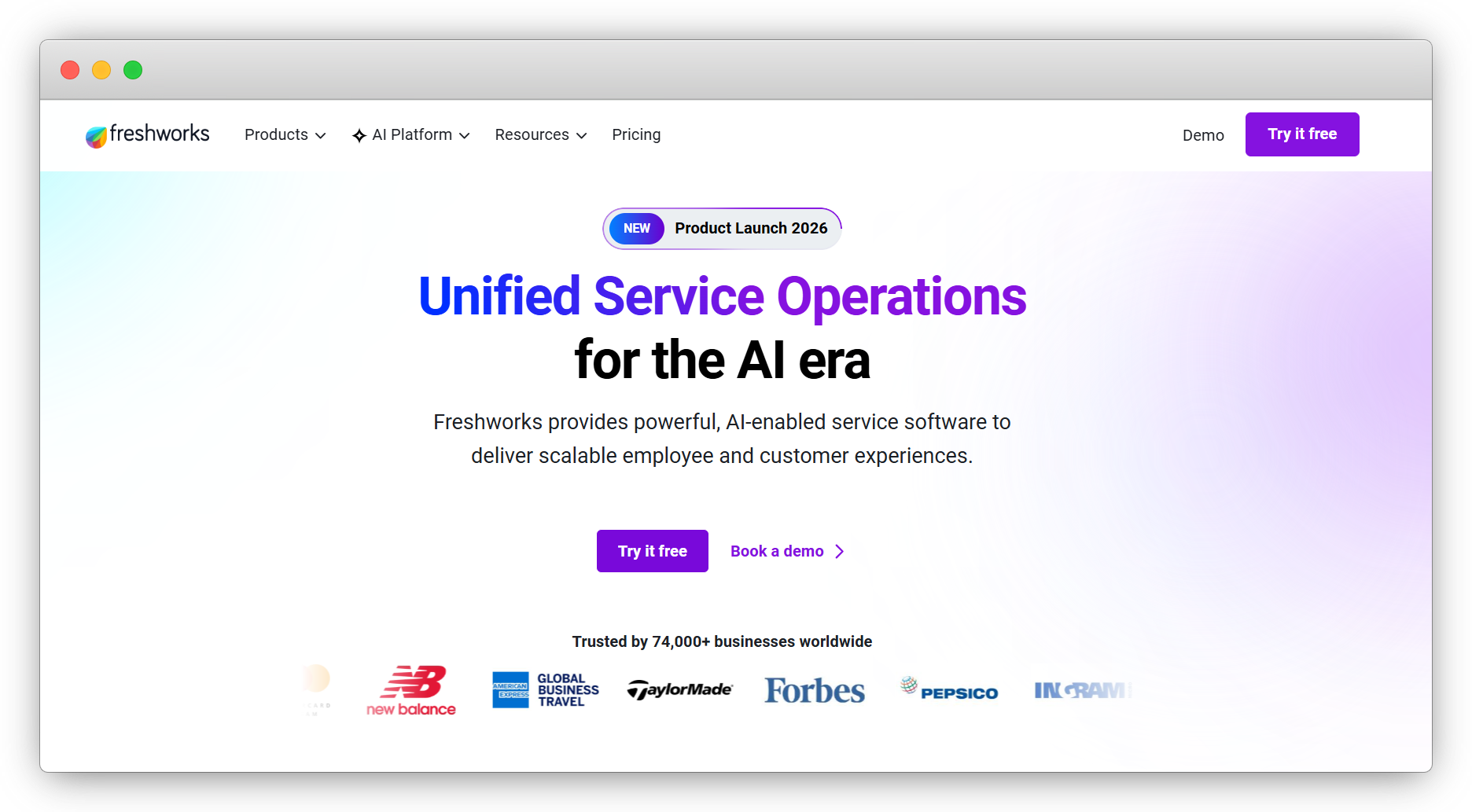
7. Freshworks

Freshworks

Best for: Customer engagement and support automation

Freshworks offers customer support, CRM, and engagement tools for businesses looking to automate communication and improve service operations.

Key Features

  • AI-powered support automation
  • Omnichannel messaging
  • CRM tools
  • Chat automation
  • Customer service workflows
  • Analytics dashboards

Pros

  • Good balance between support and engagement features
  • AI automation capabilities
  • User-friendly interface
  • Suitable for growing businesses

Limitations

  • Some advanced capabilities require higher-tier plans
  • Ecommerce-specific workflows may require customization
  • Less specialized in conversational commerce

Pricing

Subscription-based pricing with multiple business tiers.

Ideal For

  • Mid-sized retail businesses
  • Growing customer support teams
  • Businesses needing combined CRM and support tools

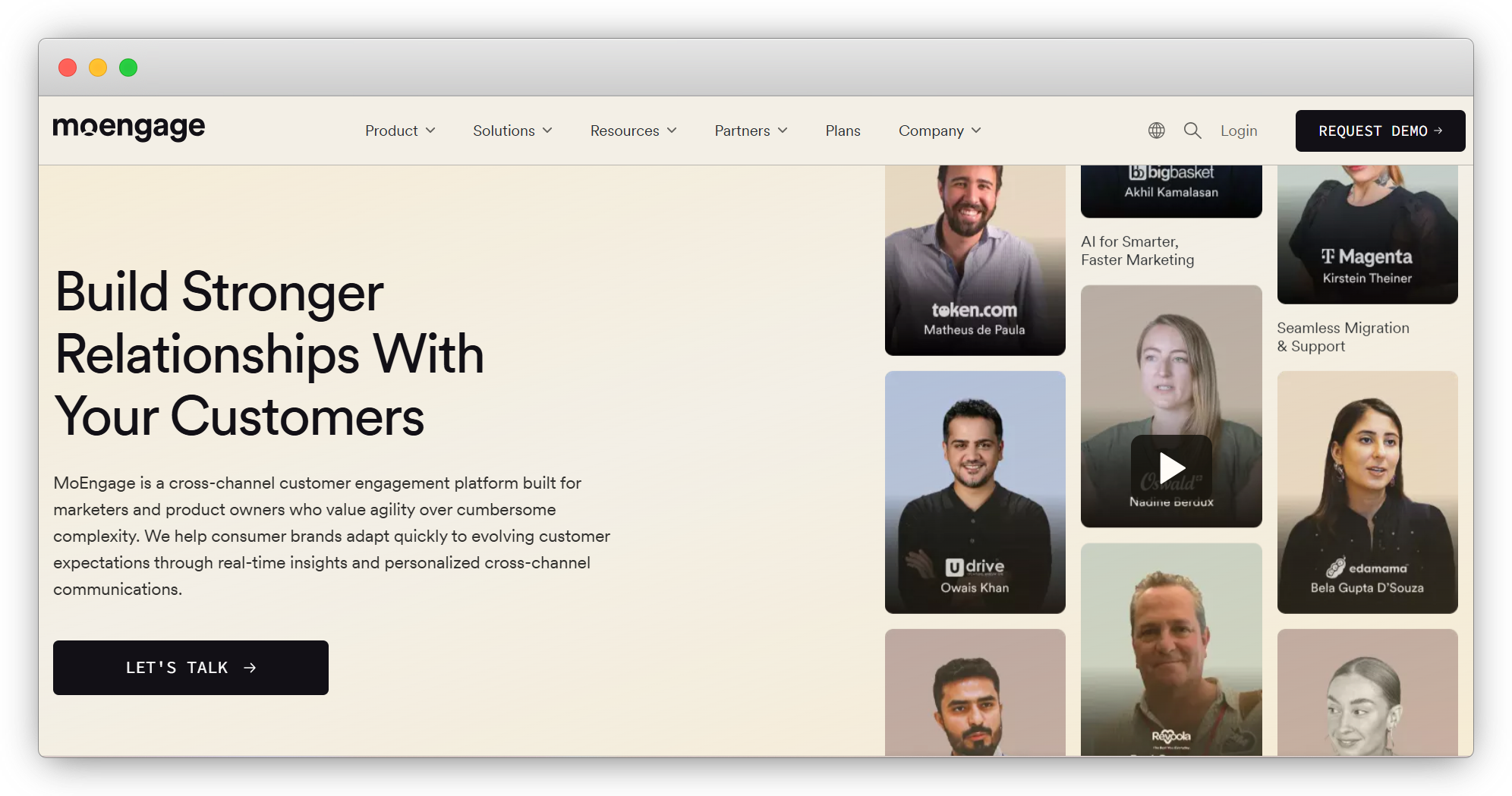
8. MoEngage

MoEngage

Best for: Customer retention and lifecycle automation

MoEngage focuses heavily on customer engagement, retention, and behavioral automation for ecommerce and mobile-first businesses.

Key Features

  • Customer journey automation
  • Push notifications
  • Email and SMS campaigns
  • Behavioral segmentation
  • Retention workflows
  • Analytics and insights

Pros

  • Strong retention marketing capabilities
  • Advanced customer segmentation
  • Good personalization workflows
  • Useful for mobile commerce businesses

Limitations

  • Less focused on conversational messaging channels
  • Customer support workflows are not the primary focus
  • Enterprise-level setup may require onboarding support

Pricing

Custom pricing based on customer engagement scale and channels.

Ideal For

  • Mobile-first ecommerce brands
  • Retention-focused businesses
  • Customer lifecycle marketing teams

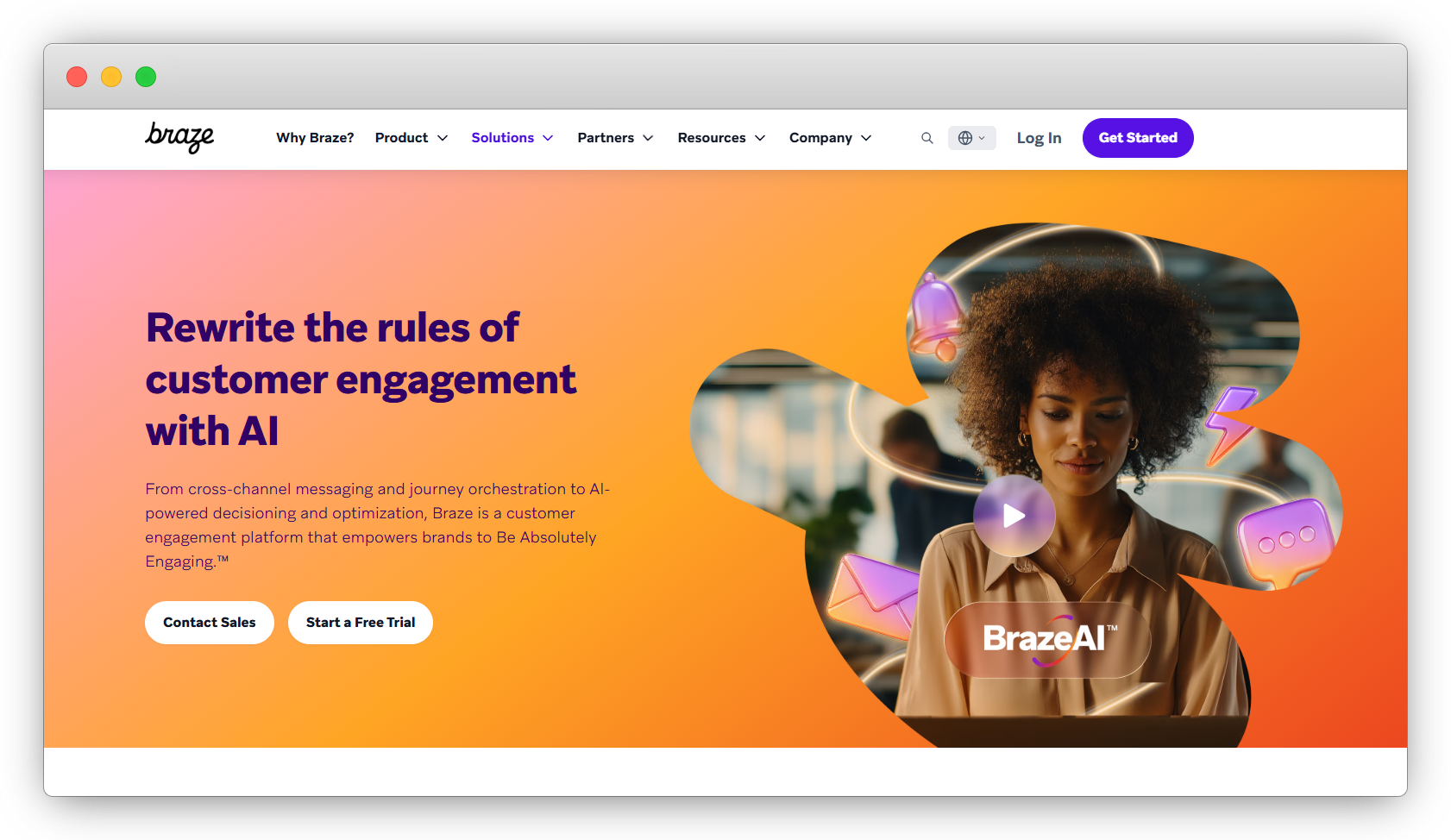
9. Braze

Braze

Best for: Enterprise customer engagement automation

Braze is an enterprise-grade customer engagement platform designed for advanced omnichannel marketing automation and personalization.

Key Features

  • Cross-channel customer journeys
  • Personalized messaging
  • Push notifications
  • Email and SMS automation
  • Customer engagement analytics
  • Real-time segmentation

Pros

  • Highly advanced personalization capabilities
  • Enterprise-scale automation
  • Strong omnichannel orchestration
  • Real-time customer engagement features

Limitations

  • Can be expensive for smaller businesses
  • Requires technical resources for advanced implementations
  • Better suited for enterprise operations

Pricing

Custom enterprise pricing.

Ideal For

  • Enterprise retail businesses
  • Large-scale customer engagement operations
  • Advanced marketing teams

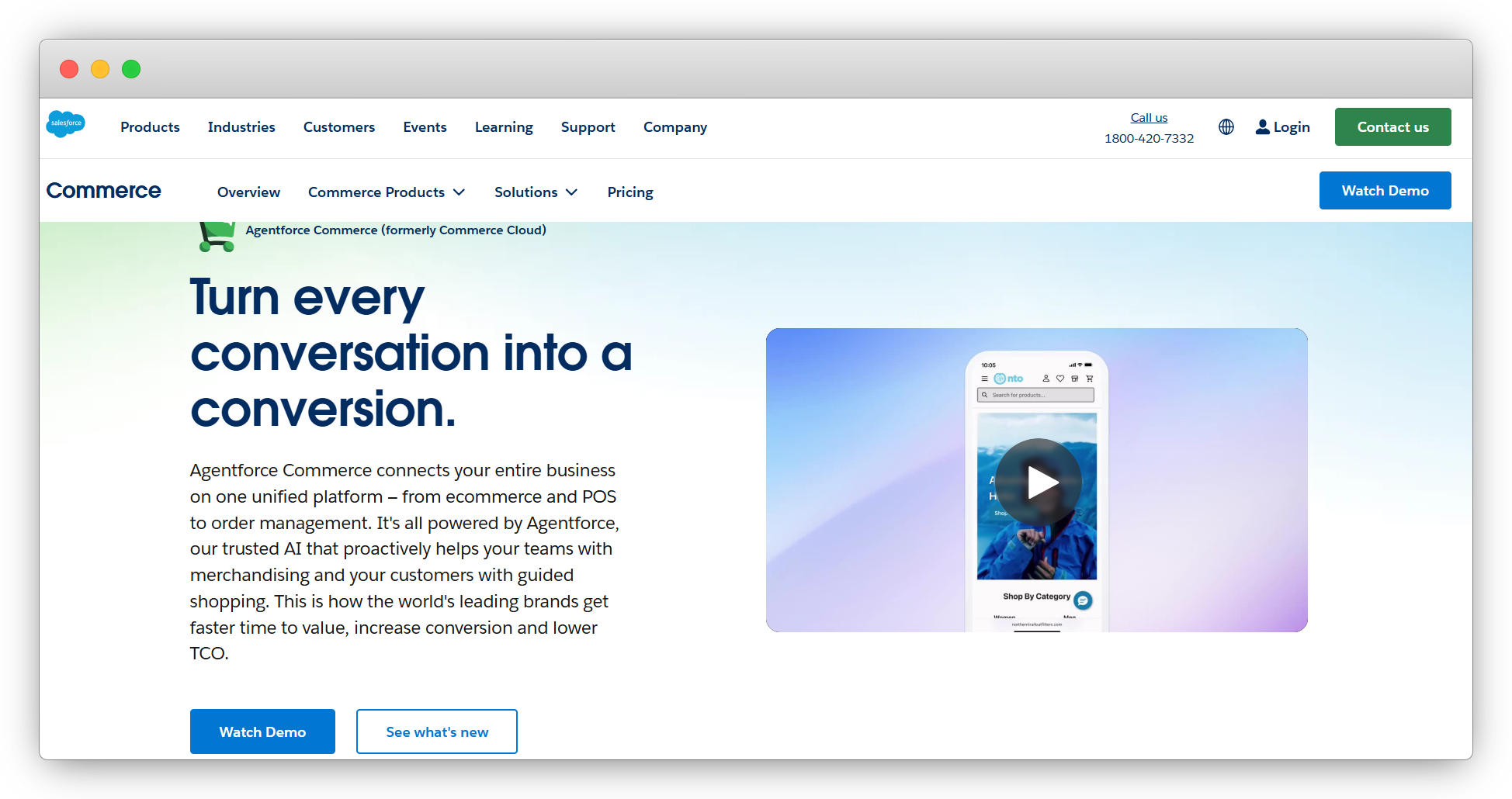
10. Salesforce Commerce Cloud

Salesforce Commerce Cloud

Best for: Enterprise retail chains and large-scale commerce operations

Salesforce Commerce Cloud provides enterprise-grade ecommerce and omnichannel customer engagement capabilities for large retail businesses.

Key Features

  • Ecommerce management
  • AI-driven personalization
  • CRM integration
  • Customer journey automation
  • Omnichannel commerce support
  • Enterprise analytics

Pros

  • Enterprise-level scalability
  • Strong Salesforce ecosystem integration
  • Advanced commerce and customer data capabilities
  • Suitable for complex retail operations

Limitations

  • High implementation complexity
  • Expensive for smaller businesses
  • Often requires dedicated technical resources

Pricing

Custom enterprise pricing based on implementation scale.

Ideal For

  • Large retail chains
  • Enterprise ecommerce businesses
  • Complex omnichannel commerce operations

Which Omnichannel Automation Platform Should You Choose?

The best omnichannel automation platform ultimately depends on how your retail business engages customers, which channels drive the most conversions, and what type of workflows you want to automate.

Some businesses prioritize customer support efficiency, while others focus heavily on retention marketing, conversational commerce, or lifecycle automation. Instead of choosing the platform with the longest feature list, retail brands should choose the one that aligns most closely with their operational and customer engagement goals.

Here’s a practical breakdown to help simplify the decision.

Choose QuickReply.ai if You Want Conversational Commerce and WhatsApp Automation

QuickReply.ai is a strong choice for retail and ecommerce businesses that rely heavily on WhatsApp, Instagram, and messaging-led customer engagement.

If your business runs Meta ads, generates leads through messaging channels, or wants to automate customer conversations from inquiry to purchase, QuickReply.ai offers workflows specifically designed for retail automation.

It is especially suitable for businesses looking to automate:

  • Click-to-WhatsApp ad journeys
  • Abandoned cart recovery
  • COD verification
  • Customer support conversations
  • Order updates
  • Conversational sales workflows

For D2C brands and ecommerce businesses, this type of messaging-first automation can significantly improve conversions and customer engagement.

Choose Klaviyo if Email and SMS Retention Are Your Priority

Klaviyo is ideal for ecommerce brands that focus heavily on retention marketing and lifecycle campaigns through email and SMS.

If your strategy depends on:

  • Personalized email flows
  • Customer segmentation
  • Repeat purchase campaigns
  • Product recommendations
  • Customer retention automation

Then Klaviyo is a good option to try. It works particularly well for Shopify brands and ecommerce businesses with mature email marketing strategies.

Choose Gorgias or Zendesk if Customer Support Is Your Biggest Challenge

Retail businesses handling large support volumes often need centralized customer service operations more than advanced marketing automation.

If your team spends significant time managing:

  • Order-related queries
  • Refunds and returns
  • Customer complaints
  • Repetitive support tickets

Then platforms like Gorgias and Zendesk can improve operational efficiency through automation and unified support workflows.

Gorgias is more ecommerce-focused, while Zendesk is better suited for enterprise-scale support environments.

Choose HubSpot if You Need a CRM-Centric Platform

HubSpot works well for retail businesses that want to combine CRM, sales automation, marketing, and customer engagement into a single ecosystem.

It is a good fit for businesses prioritizing:

  • Lead nurturing
  • CRM visibility
  • Sales pipeline management
  • Customer lifecycle tracking
  • Cross-team alignment

However, businesses focused heavily on conversational commerce or WhatsApp automation may still require additional integrations.

Choose MoEngage or Braze if Retention and Personalization Drive Growth

For businesses focused on customer retention, lifecycle engagement, and advanced personalization, MoEngage and Braze are strong options.

These platforms are designed for brands managing large-scale customer engagement across:

  • Mobile apps
  • Push notifications
  • Email
  • SMS
  • Behavioral campaigns

Braze is typically more enterprise-oriented, while MoEngage is widely adopted by fast-growing ecommerce and mobile-first brands.

Choose Salesforce Commerce Cloud if You Operate at Enterprise Retail Scale

Large retail chains and enterprise ecommerce businesses often require more advanced infrastructure, customer data management, and omnichannel commerce capabilities.

Salesforce Commerce Cloud is best suited for businesses needing:

  • Enterprise commerce management
  • Advanced personalization
  • Large-scale automation
  • CRM integration
  • Complex omnichannel customer journeys

However, it typically requires larger budgets, implementation resources, and dedicated technical support.

The right platform is not necessarily the most expensive or feature-heavy one. The best choice is the platform that fits naturally into your customer journey and helps your teams automate communication without adding operational complexity.

For most modern retail and ecommerce businesses, the focus should be on ,centralizing customer communication, automating repetitive workflows, improving response times, personalizing engagement, and increasing conversions across channels.

The closer a platform aligns with those goals, the more value it will deliver as your business grows.

Conclusion

Retail customer journeys have become more connected, faster, and significantly more channel-driven than ever before.

Customers now expect brands to deliver seamless experiences across WhatsApp, Instagram, email, SMS, website chat, and other touchpoints without delays or disconnected communication. For retail and ecommerce businesses, managing these interactions manually is no longer scalable.

That’s why omnichannel automation platforms have become an essential part of modern retail operations. However, not every platform is built for the same use case.

Some tools specialize in conversational commerce and WhatsApp automation, while others focus more on customer support, CRM management, retention marketing, or enterprise-level engagement workflows. The best choice depends on your communication channels, operational requirements, customer journey complexity, and business scale.

For retail brands prioritizing messaging-led engagement and conversational commerce, platforms like QuickReply.ai offer strong automation capabilities designed specifically for ecommerce and customer interaction workflows.

Meanwhile, platforms like Klaviyo, Gorgias, HubSpot, and Braze may be better suited for businesses prioritizing retention marketing, support automation, CRM workflows, or enterprise engagement.

As retail competition continues to increase and customer acquisition costs rise, businesses that automate and personalize customer communication effectively will have a significant advantage in both customer experience and long-term growth.

The key is choosing a platform that supports your customer journey today while remaining scalable as your retail business evolves.

Turn 1 time visitor into repeat customer with WhatsApp marketing

Leverage the untapped growth potential of WhatsApp marketing to acquire and retain customers.

Frequently Asked Questions

What is omnichannel automation in retail?

Omnichannel automation in retail refers to using a centralized platform to automate customer communication and engagement across multiple channels such as WhatsApp, Instagram, email, SMS, website chat, and social messaging platforms.

Instead of managing each channel separately, omnichannel automation helps businesses create connected customer journeys where interactions, customer data, and communication history remain synchronized across touchpoints.

Retail businesses commonly use omnichannel automation for:

  • Abandoned cart recovery
  • Order updates
  • Customer support
  • Promotional campaigns
  • Lead nurturing
  • Personalized customer engagement

What is the difference between multichannel and omnichannel automation?

Multichannel automation means businesses communicate with customers through multiple channels, but those channels often operate independently.

Omnichannel automation, on the other hand, connects all channels into a unified customer experience. This allows businesses to maintain conversation history, customer context, and automated workflows consistently across platforms.

Which omnichannel automation platform is best for retail businesses?

The best omnichannel automation platform depends on the business’s goals, communication channels, and operational requirements.

For example:

  • QuickReply.ai is well-suited for conversational commerce and WhatsApp automation
  • Klaviyo is strong for email and SMS retention marketing
  • Gorgias is useful for ecommerce customer support
  • HubSpot is ideal for CRM-driven customer engagement
  • Braze and Salesforce Commerce Cloud are better suited for enterprise-scale automation

Retail businesses should choose a platform based on their primary customer engagement workflows rather than feature quantity alone.

Can omnichannel automation platforms automate WhatsApp messages?

Yes. Many modern omnichannel automation platforms support WhatsApp Business API integration, allowing businesses to automate customer communication on WhatsApp.

Platforms like QuickReply.ai and Interakt are particularly focused on WhatsApp automation for retail and ecommerce businesses.

How do omnichannel automation platforms help reduce cart abandonment?

Omnichannel automation platforms help recover abandoned carts by automatically engaging customers who leave without completing their purchase.

Businesses can trigger:

  • WhatsApp reminders
  • Email follow-ups
  • SMS notifications
  • Personalized discount offers
  • Retargeting workflows

These automated workflows improve recovery rates by reconnecting with customers at the right time across multiple communication channels.

Which channels should retail businesses automate first?

For most retail and ecommerce businesses, the highest-impact channels are usually:

  • WhatsApp
  • Email
  • Instagram
  • SMS
  • Website chat

The ideal starting point depends on where customer conversations and conversions happen most frequently.

For example:

  • D2C brands often prioritize WhatsApp and Instagram
  • Ecommerce brands may focus on email and cart recovery through WhatsApp, RCS messages.
  • Retail support teams may prioritize website chat and messaging automation

Businesses should start with the channels generating the highest customer engagement and operational workload.

Do omnichannel automation platforms integrate with Shopify and ecommerce platforms?

Yes. Most modern omnichannel automation platforms integrate with ecommerce systems such as:

  • Shopify
  • WooCommerce
  • Magento
  • BigCommerce

These integrations allow businesses to automate workflows using real-time customer and order data.

Are omnichannel automation platforms suitable for small retail businesses?

Yes. Many omnichannel automation platforms offer solutions designed specifically for small and mid-sized businesses.

Smaller retail brands often use these platforms to:

  • automate customer support
  • manage WhatsApp conversations
  • run marketing campaigns
  • reduce manual follow-ups
  • improve customer engagement

Platforms like QuickReply.ai are commonly used by growing ecommerce and D2C businesses looking to scale customer communication efficiently.