Generative AI in B2B Sales Prospecting: Use Cases & Examples

Copied to clipboard!

B2B sales prospecting has always been a time-consuming process.

Sales teams need to find the right companies, identify decision-makers, understand their pain points, create personalized outreach, follow up consistently, qualify leads, and then pass the right opportunities to the right sales reps.

The problem is that most of this process is still manual.

A sales rep may spend hours researching accounts, writing outreach messages, updating CRM records, and following up with prospects who may or may not be ready to buy. This slows down the team and also creates inconsistent prospecting quality.

Generative AI is changing this. 

It is helping B2B sales teams move from manual prospecting to smarter, faster, and more personalized prospecting. Instead of only using AI to write messages, companies can now use Gen AI to research accounts, qualify leads, create personalized messages, automate conversations, recommend next steps, and support sales reps throughout the buyer journey.

In this blog, we will look at the most practical generative AI applications in B2B sales prospecting, along with examples. 

What Is Generative AI in B2B Sales Prospecting?

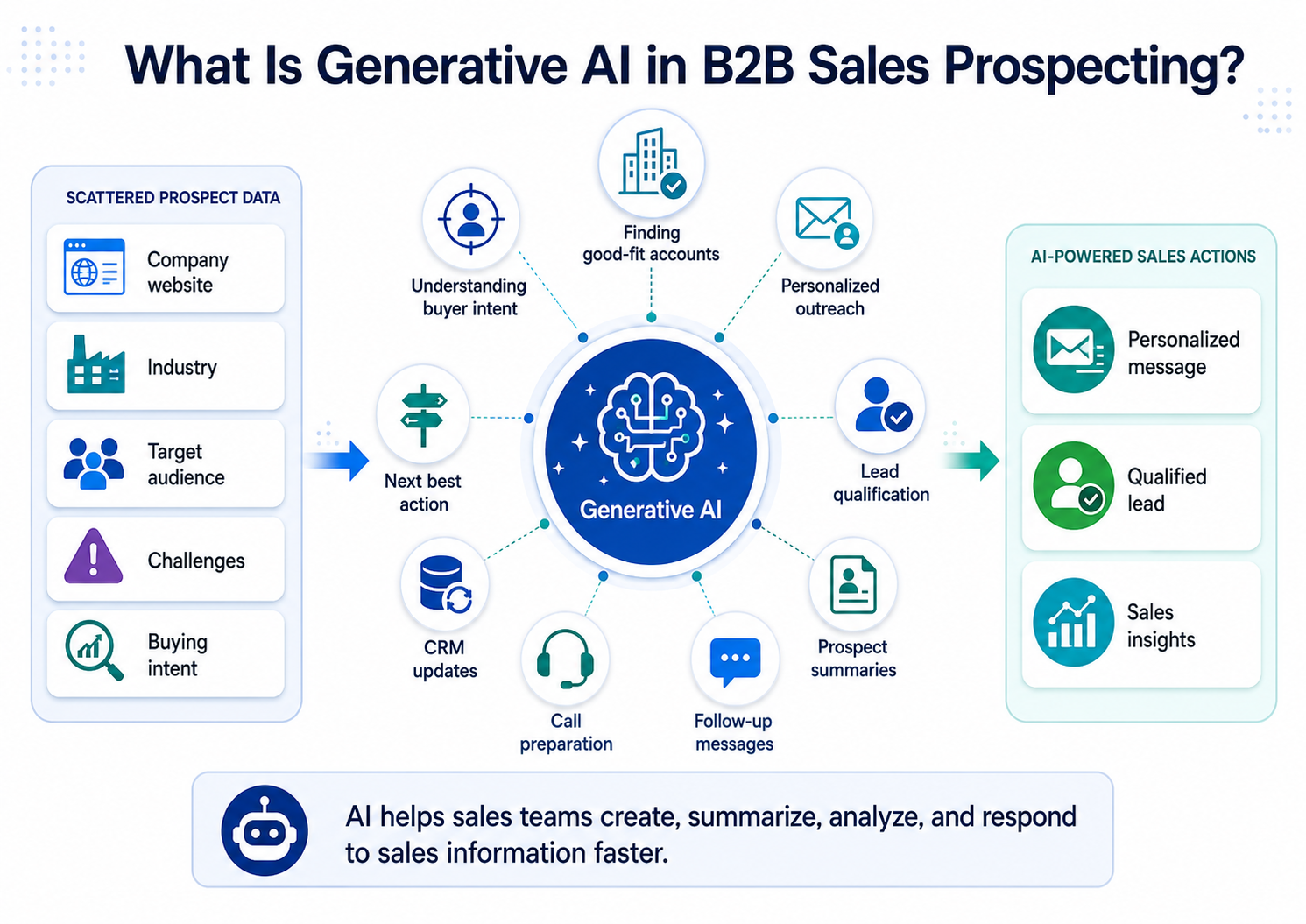
Generative AI in B2B sales prospecting means using AI to create, summarize, analyze, and respond to sales-related information.

It can help sales teams with tasks such as:

  • Finding good-fit accounts
  • Understanding buyer intent
  • Creating personalized outreach messages
  • Qualifying leads through conversations
  • Summarizing prospect information
  • Creating follow-up messages
  • Preparing sales reps before calls
  • Updating CRM notes
  • Recommending the next best action

For example, instead of asking a sales rep to manually research a company, Gen AI can summarize the company’s website, industry, target audience, likely challenges, and possible buying intent.

Instead of sending the same generic message to every lead, Gen AI can create personalized messages based on the prospect’s role, company, industry, and need.

The real value of Gen AI is not just content generation. Its bigger value is helping sales teams convert scattered prospect data into useful sales actions.

Why B2B Sales Prospecting Needs Generative AI

B2B prospecting has become harder because buyers are more informed, more selective, and less responsive to generic sales outreach. 

A typical B2B buyer may interact with a company through multiple touchpoints before speaking to sales. They may visit the website, check pricing pages, download a resource, ask a question on chat, respond to a WhatsApp message, or interact with a social media campaign.

If these signals are not captured and acted upon quickly, sales teams lose opportunities.

Here are some common challenges B2B teams face:

  1. Sales reps spend too much time on manual research.
  2. Outreach messages are often generic.
  3. Inbound leads are not qualified instantly.
  4. Follow-ups are inconsistent.
  5. CRM data is incomplete or outdated.
  6. Sales teams do not always know which leads to prioritize.
  7. Website and social media leads are lost due to slow response times.

Generative AI can solve many of these problems by making the prospecting process faster, more contextual, and more scalable.

1. AI-Powered Account Research

One of the most useful applications of Gen AI in B2B prospecting is account research.

Before contacting a prospect, sales reps need to understand the company. They need to know what the company does, who it sells to, what problems it may have, and how relevant the product or service is for them.

Gen AI can speed this up by summarizing:

  • Company website
  • Product pages
  • Case studies
  • LinkedIn profile
  • Industry
  • Hiring activity
  • Recent announcements
  • Competitor positioning
  • Possible business challenges

Example

A SaaS company selling HR automation software wants to target mid-sized companies that are hiring aggressively.

Gen AI can analyze the company’s website and public hiring activity, then create a short account summary like:

“This company is expanding its sales and customer success teams. It may be facing challenges in onboarding, employee documentation, and HR workflow automation. A relevant pitch could focus on reducing manual HR operations during rapid hiring.”

This gives the sales rep a clear starting point for outreach.

Sales Benefit: Sales reps spend less time researching and more time speaking to relevant prospects.

2. Ideal Customer Profile and Lookalike Prospect Discovery

Generative AI can also help companies identify prospects similar to their best customers.

A business can analyze its existing customers and identify common patterns such as:

  • Industry
  • Company size
  • Geography
  • Revenue stage
  • Technology used
  • Pain points
  • Buying triggers
  • Deal size
  • Sales cycle length

Once these patterns are clear, AI can help sales teams find similar companies.

Example

A B2B marketing automation company may find that its best customers are:

  • Shopify-based brands
  • 20 to 200 employees
  • Strong social media presence
  • High repeat purchase potential
  • Active in India, Middle East, or Southeast Asia
  • Already spending on performance marketing

Gen AI can use this pattern to suggest similar companies that may be a good fit.

Sales Benefit: Instead of prospecting randomly, sales teams can focus on accounts that look similar to their highest-value customers.

3. Lead Enrichment and Prospect Summaries

Most sales teams collect lead data through forms, ads, events, webinars, website chat, or social media. But raw lead data is often not enough.

A lead record may only include:

  • Name
  • Email
  • Phone number
  • Company name
  • Job title

Gen AI can enrich this information and turn it into a useful sales summary.

Example

Instead of showing this:

“Rahul, Head of Growth, ABC Software”

AI can create a more useful summary:

“Rahul is likely responsible for acquisition and retention at a B2B SaaS company. The company appears to sell to enterprise clients and may need better lead qualification, nurturing, and multi-channel engagement. Suggested first message: focus on reducing manual sales follow-ups and improving demo conversion.”

Sales Benefit: Sales reps get context before reaching out. This improves the quality of the first conversation.

4. Personalized Cold Outreach

Personalized outreach is one of the most common Gen AI applications in sales prospecting.

Gen AI can create outreach messages for different channels, including:

  • Email
  • LinkedIn
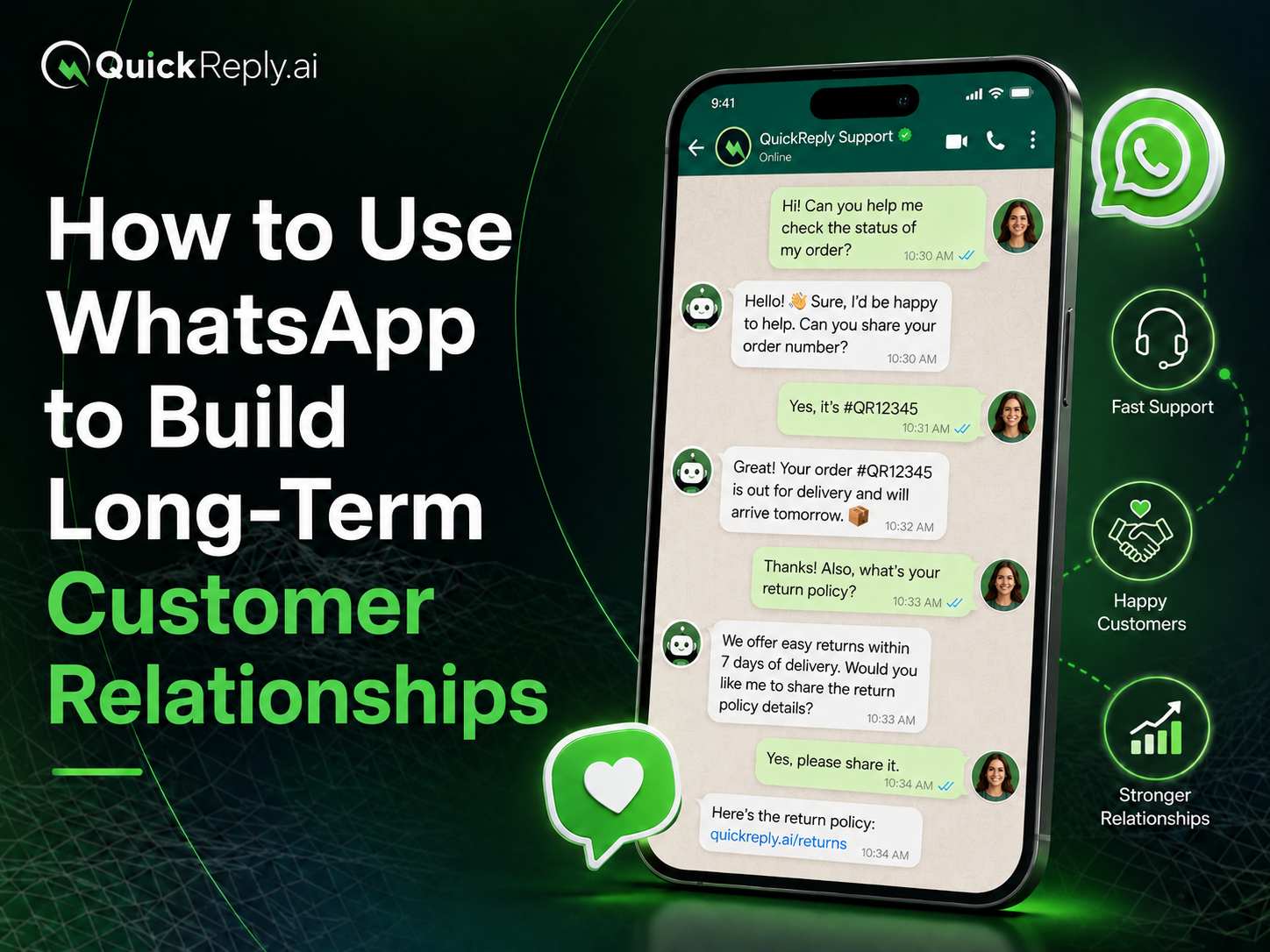
  • WhatsApp
  • Instagram DM
  • Website chat
  • SMS or RCS

It can personalize messages based on:

  • Prospect role
  • Industry
  • Company size
  • Business model
  • Recent activity
  • Product interest
  • Buyer stage
  • Previous interaction

Example

A B2B SaaS company can use Gen AI to create different outreach messages based on different prospect signals.

For a prospect from the education industry:

“Your admissions team may be receiving student enquiries across WhatsApp, website chat, and social media. AI-led qualification can help identify serious applicants faster and route them to the right counsellor.”

For a mid-sized company with a growing sales team:

“As your lead volume grows, manual follow-ups can become inconsistent. AI-powered automation can help your sales team respond faster, qualify leads, and reduce missed opportunities.”

For a prospect who recently visited the pricing page:

“You may be evaluating automation platforms for your team. If you are comparing options, AI-led conversations can help qualify inbound leads and move high-intent prospects closer to a demo.”

For a lead who interacted earlier but did not book a demo:

“You had previously explored automation for lead engagement. If improving response time and follow-up consistency is still a priority, AI-led prospect journeys can help your team convert more enquiries without adding manual work.”

The product remains the same, but the message changes based on the prospect’s industry, company size, recent activity, product interest, and previous interaction.

Sales Benefit: AI helps sales teams move from generic mass outreach to context-based outreach that feels more relevant to each prospect.

5. Conversational Lead Qualification

This is one of the strongest applications of Gen AI in B2B sales prospecting.

Traditionally, companies qualify leads through forms. But forms are limited. They ask fixed questions and often create friction.

Gen AI chatbots can qualify leads through natural conversations.

Instead of forcing a visitor to fill a long form, an AI chatbot can ask relevant questions based on what the prospect says.

Example

A visitor lands on a B2B automation company’s website and asks:

“Can your platform help us automate WhatsApp follow-ups for leads?”

A Gen AI chatbot can respond and qualify the lead by asking:

  • What type of business do you run?
  • How many leads do you generate monthly?
  • Which channels do you currently use?
  • Do you want automation for sales, support, or marketing?
  • Are you already using a CRM?
  • Would you like to book a demo?

Based on the answers, the chatbot can classify the lead as high-intent, medium-intent, or low-intent.

Sales Benefit: Sales teams do not need to manually qualify every inbound query. High-intent leads can be identified faster and routed to the right person.

6. Multi-Channel Prospect Engagement

B2B buyers do not always engage on one channel.

A prospect may first visit your website, then ask a question on chat, later respond on WhatsApp, and finally book a demo after seeing a follow-up message.

This is why multi-channel engagement is important.

Gen AI can help businesses maintain context across channels and continue the conversation based on previous interactions.

Example

A prospect visits a pricing page but does not submit a form.

The next day, they receive a WhatsApp message asking if they need help choosing the right plan.

They reply:

“We are looking for automation for our sales team.”

The AI can continue the conversation by asking about their team size, use case, CRM, monthly lead volume, and expected timeline.

If the prospect shows buying intent, the system can route the conversation to the sales team with the right context.

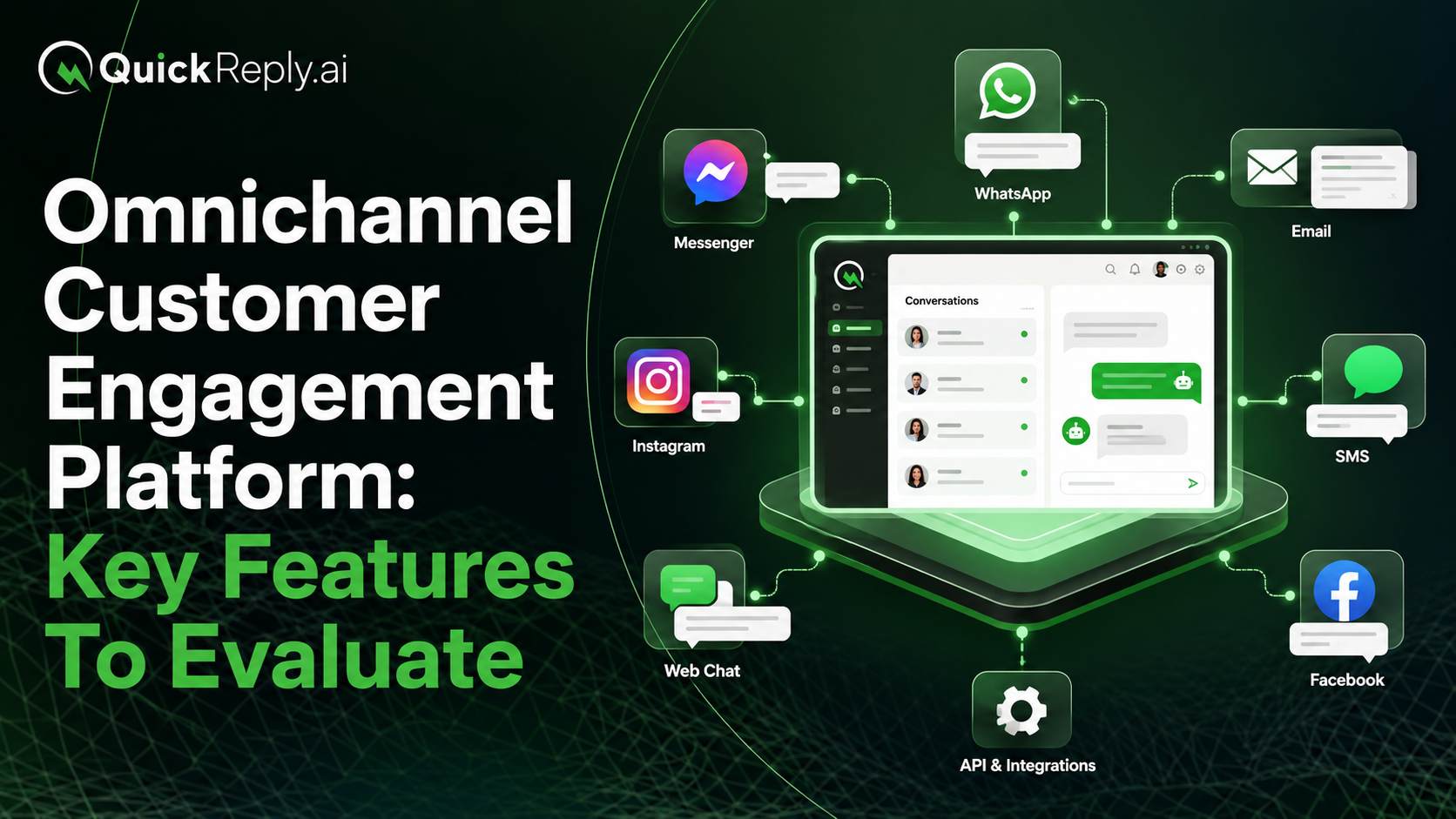
Platforms like QuickReply.ai can support this type of workflow by offering Gen AI chatbot capabilities along with custom workflows and user journeys across channels such as WhatsApp, Instagram, Messenger, RCS, and website chatbots.

For B2B companies selling software, services, education solutions, healthcare solutions, or other complex products, QuickReply.ai can help engage prospects in real time, qualify them through AI-led conversations, trigger automated journeys, and hand over high-intent leads to sales teams.

Instead of treating each channel separately, businesses can create connected prospect journeys across messaging and chat channels.

7. Automated Follow-Ups and Lead Nurturing

Most B2B leads do not convert after the first interaction.

Some prospects need more information. Some need internal approval. Some are interested but not ready immediately. Some compare multiple vendors before making a decision.

This makes follow-up critical.

Gen AI can help create and automate follow-up messages based on the prospect’s behavior and intent.

Example

A lead asks about pricing but does not book a demo.

An AI-led follow-up journey can look like this:

Day 1: Send a pricing clarification message
Day 3: Share a relevant case study
Day 5: Ask if they want help choosing the right plan
Day 7: Offer to schedule a demo
Day 10: Move the lead to a nurture sequence if there is no response

The follow-up can be personalized based on what the lead asked earlier, and is useful for:

  • Demo follow-ups
  • Pricing queries
  • Product inquiries
  • Webinar leads
  • Event leads
  • Inbound website leads
  • Re-engagement campaigns
  • Trial or consultation requests

Sales Benefit: Sales teams can stay consistent without manually chasing every lead.

8. AI-Based Lead Scoring

Not every lead deserves the same level of sales attention.

Some leads are ready to buy. Some are casually exploring. Some are not a good fit.

Gen AI can help score leads based on profile and conversation signals.

Common lead scoring signals include:

  • Company size
  • Industry
  • Job title
  • Use case
  • Budget indication
  • Urgency
  • Number of interactions
  • Pricing page visits
  • Product questions asked
  • Demo request intent
  • Channel of engagement

Example

Lead A says: “We are evaluating tools and may need something next quarter.”

Lead B says: “We need to implement this for our sales team this month. Can we schedule a demo?”

Lead B should clearly be prioritized.

Gen AI can detect this intent from the conversation and assign a higher score.

Sales Benefit: Sales teams can focus on leads that are more likely to convert.

9. Sales Call Preparation

Gen AI can also help sales reps prepare before a call.

Before speaking to a prospect, a rep can get an AI-generated summary that includes:

  • Company overview
  • Lead source
  • Previous conversation summary
  • Pain points mentioned
  • Products or features discussed
  • Budget or urgency signals
  • Recommended pitch angle
  • Suggested questions to ask

Example

Before a demo, AI can prepare this summary:

“The prospect is a B2B education company looking to automate student inquiry handling across WhatsApp and website chat. They currently manage leads manually and want faster response times. Recommended pitch: focus on automated qualification, counselor handoff, and follow-up journeys.”

Sales Benefit: Reps enter the call better prepared and can have a more relevant conversation.

10. CRM Updates and Sales Handoff

One major sales operations problem is incomplete CRM data.

Sales reps often forget to update notes, lead status, qualification details, or follow-up tasks.

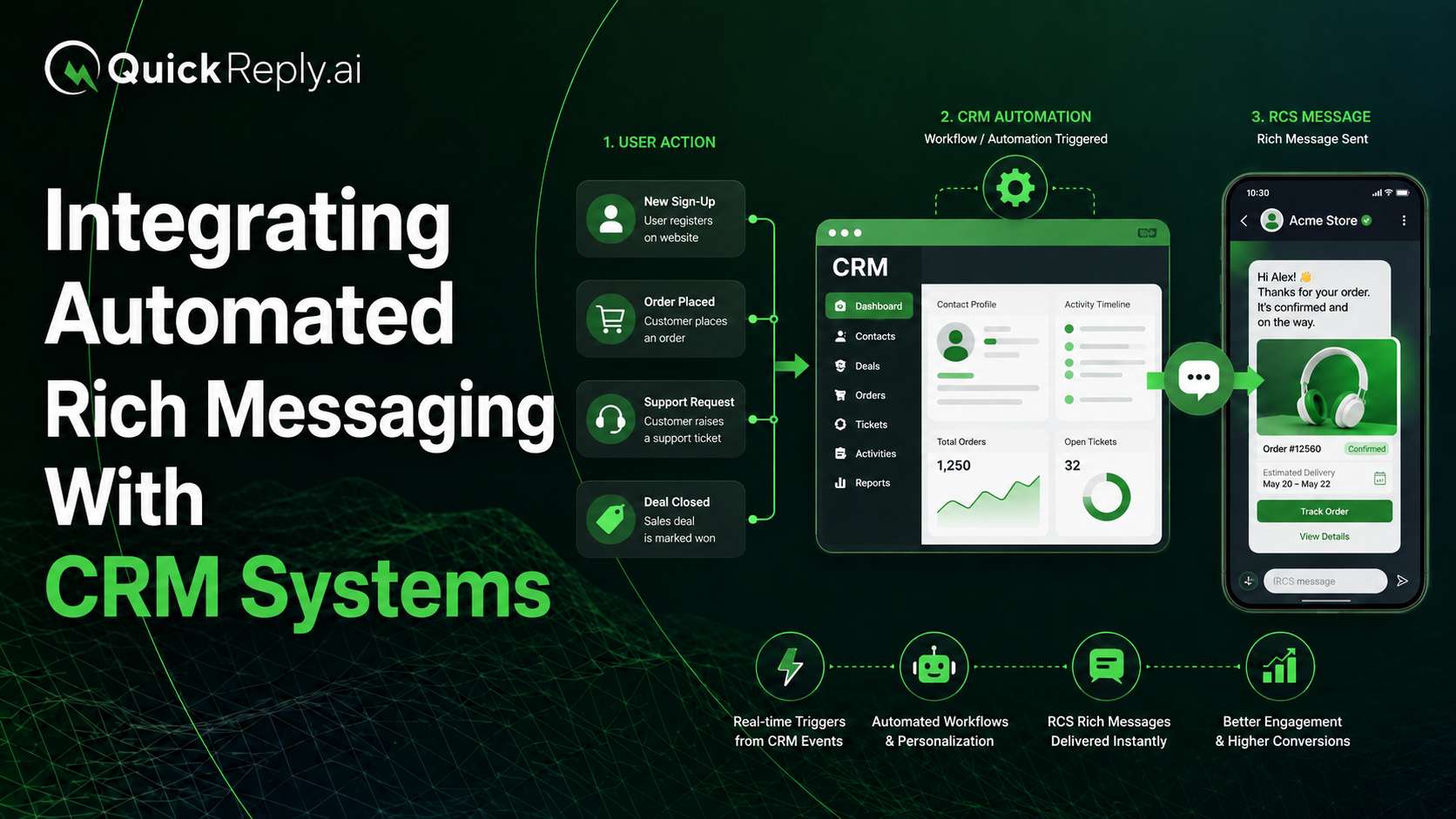
Gen AI can help by summarizing conversations and pushing structured data to the CRM.

Example

After an AI chatbot qualifies a lead, it can update fields such as:

  • Industry
  • Use case
  • Lead source
  • Company size
  • Budget range
  • Timeline
  • Intent level
  • Preferred channel
  • Next action

It can also create a short summary for the sales rep:

“Lead is interested in WhatsApp and website chatbot automation for B2B lead qualification. They generate around 2,000 leads per month and want to reduce manual follow-ups. Suggested next step: schedule demo with sales automation specialist.”

Sales Benefit: Sales reps get qualified context instead of starting from zero.

Practical Examples of Generative AI in B2B Sales Prospecting

Example 1: SaaS Company

A SaaS company selling project management software wants to target operations leaders at growing businesses.

Gen AI can help by:

  • Identifying companies hiring operations teams
  • Summarizing their business model
  • Creating personalized outreach messages
  • Qualifying inbound website visitors
  • Sending automated follow-ups
  • Preparing reps before demos

Result: The sales team spends less time researching and more time speaking to qualified prospects.

Example 2: B2B Education Platform

An education solutions company wants to sell to schools, universities, and coaching institutes.

Gen AI can help qualify leads by asking:

  • What type of institution are you?
  • How many students do you manage?
  • Which courses or programs do you offer?
  • Are you looking for admissions, support, or communication automation?
  • Who is involved in the buying decision?

Omnichannel communication platform is effective for edtech companies because they receive inquiries through WhatsApp, website chat, Instagram, and other messaging channels.

Example 3: Healthcare Solutions Provider

A healthcare technology provider wants to sell software to clinics and hospitals.

Gen AI can qualify prospects by asking:

  • What type of healthcare facility do you run?
  • How many patients do you handle monthly?
  • Which departments need automation?
  • Do you need appointment booking, reminders, patient support, or lead management?
  • Are you looking for integration with existing systems?

The AI can then route serious prospects to the right sales team.

Example 4: IT Services Company

An IT services company receives inbound leads from different industries.

Gen AI can ask:

  • What type of project are you planning?
  • What is your expected timeline?
  • Do you have a budget range?
  • Which technology stack do you prefer?
  • Are you looking for development, maintenance, migration, or consulting?

This helps the sales team avoid spending time on unqualified leads.

Example 5: B2B Marketing Automation Company

A B2B marketing automation platform can use Gen AI to qualify whether a lead is interested in:

Based on the lead’s answers, the system can recommend the right solution and route the prospect to the correct sales rep.

Best Practices for Using Gen AI in B2B Sales Prospecting

Generative AI can improve sales prospecting, but only if used correctly.

Here are some best practices:

1. Start With One Clear Use Case

Do not try to automate the entire sales process on day one.

Start with one use case such as:

  • Website lead qualification
  • Pricing query automation
  • Demo booking
  • WhatsApp follow-ups
  • Lead scoring
  • CRM summary generation

Once the first use case works well, expand from there.

2. Define Your ICP Clearly

AI works better when your ideal customer profile is clear.

Before using Gen AI, define:

  • Target industries
  • Company size
  • Buyer roles
  • Geography
  • Pain points
  • Buying triggers
  • Disqualification criteria

Without a clear ICP, AI may generate poor-quality prospecting outputs.

3. Use AI for Personalization, Not Spam

Gen AI can create outreach at scale, but that does not mean every message should be automated blindly.

The goal should be relevance, not volume.

A good AI-generated message should feel specific to the prospect’s business, role, and problem.

4. Keep Humans Involved for High-Value Deals

For high-ticket B2B sales, AI should support sales reps, not replace them.

AI can handle research, first-level qualification, follow-ups, and summaries. But human reps should handle complex conversations, negotiation, relationship-building, and closing.

5. Connect AI With Your CRM and Sales Tools

AI becomes more useful when it is connected with your sales systems.

For example, AI should be able to use and update:

  • CRM data
  • Lead source
  • Conversation history
  • Campaign engagement
  • Qualification answers
  • Sales status
  • Follow-up tasks

This creates a more complete prospecting workflow.

6. Track Lead Quality, Not Just Lead Volume

A common mistake is measuring only the number of leads generated.

With Gen AI, companies should also track:

  • Qualified lead percentage
  • Demo booking rate
  • Response rate
  • Sales handoff rate
  • Conversion rate
  • Sales cycle length
  • Revenue generated
  • Drop-off points in the journey

This helps teams understand whether AI is improving real sales outcomes.

How QuickReply.ai Helps B2B Companies Use Gen AI for Sales Prospecting

With QuickReply.ai, businesses can create AI-powered journeys that help with:

1. Inbound Lead Qualification

AI chatbots can qualify leads by asking relevant questions based on the prospect’s query.

For example, if a visitor asks about pricing, the chatbot can ask about company size, use case, expected volume, and timeline before routing the lead to sales.

2. Automated Prospect Journeys

Businesses can create automated journeys for different lead stages.

For example:

  • New inquiry journey
  • Pricing follow-up journey
  • Demo booking journey
  • Webinar lead nurture journey
  • Re-engagement journey
  • Product interest journey

3. Multi-Channel Conversations

A prospect may start on the website and later continue on WhatsApp or Instagram.

QuickReply.ai can help businesses manage conversations across channels, making prospect engagement more connected and responsive.

4. Sales Handoff

Once a lead is qualified, the conversation can be handed over to a sales rep with context.

This means the rep does not only receive a name and phone number. They receive the prospect’s interest, questions, qualification details, and intent signals.

5. Faster Response Time

Speed matters in B2B prospecting.

When a prospect asks a question, a delayed response can reduce conversion chances. AI chatbots and automation workflows can help companies respond instantly, even when sales reps are not available.

For B2B companies that receive leads through websites, WhatsApp, Instagram, Messenger, RCS, or other messaging channels, platforms like QuickReply.ai can help turn Gen AI into a practical prospecting and lead qualification engine.

Explore how QuickReply.ai can help you build Gen AI-powered lead qualification and prospect nurturing journeys. 

Book a demo now!

Turn 1 time visitor into repeat customer with WhatsApp marketing

Leverage the untapped growth potential of WhatsApp marketing to acquire and retain customers.

Frequently Asked Questions

How can Gen AI help with lead qualification?

Gen AI can qualify leads by asking relevant questions through chatbots or messaging channels. It can understand the prospect’s industry, company size, use case, urgency, budget, and buying intent before routing the lead to sales.

Can Gen AI replace Sales Development Representatives (SDRs)?

Gen AI can automate many repetitive SDR tasks such as research, first-level qualification, follow-ups, and CRM updates. However, it cannot fully replace human SDRs for complex conversations, relationship-building, negotiation, and strategic selling.

How can AI chatbots help B2B companies?

AI chatbots can engage website visitors and social media leads instantly, answer questions, qualify prospects, recommend next steps, book demos, and route high-intent leads to sales teams.

Which channels can be used for AI-led B2B prospecting?

AI-led B2B prospecting can happen across website chat, WhatsApp, Instagram, Messenger, RCS, email, LinkedIn, and other digital channels. The right channels depend on where your prospects are most active.

How does QuickReply.ai support Gen AI-led prospecting?

QuickReply.ai helps businesses create Gen AI chatbot experiences, automation workflows, and prospect journeys across WhatsApp, Instagram, Messenger, RCS, and website chatbot. B2B companies can use it to qualify leads, automate follow-ups, manage conversations, and hand over high-intent prospects to sales teams.