How to Use WhatsApp to Build Long-Term Customer Relationships

Copied to clipboard!

Customer loyalty is rarely won in a single sale. It accumulates through dozens of small interactions: a quick answer, a timely reminder, a discount that felt personal rather than mass-produced.

WhatsApp has quietly become the place where much of this happens, because it sits in the same inbox people use to talk to family and friends. That proximity is both an advantage and a test. Message well, and you occupy a space no email newsletter ever reaches. Message carelessly, and you get muted for good.

This guide covers eight practical ways to earn a lasting place in your customers' chats, from setting up your presence properly to knowing when to step back and use another channel entirely.

1. Establish a Professional Profile

First impressions on messaging apps happen in seconds. A complete business profile, with your logo, address, working hours, catalog, and a one-line description of what you do, signals that a real company is on the other end. 

First impressions on messaging apps happen in seconds, so fill in every field WhatsApp offers, not just the logo and name. Your address, hours, and catalog help a shopper decide whether to trust you, and the two fields that businesses often skip, website and email, both earn their place. A website link gives a hesitant buyer somewhere to check you out before committing; an email address handles the messages that don't belong in a chat thread, like an invoice query.

The verified badge does the heaviest lifting. That's the checkmark beside your name, historically green and now shifting to blue as Meta unifies its badges across its apps. It confirms you're the real business, not an impersonator. Established brands earn it for free through the API by proving notability; smaller ones can subscribe to Meta Verified. According to Meta, more than 175 million people message a Business account every day, so customers already expect to find you there looking legitimate.

Registering the profile on a dedicated virtual WhatsApp number rather than a personal SIM keeps business chats separate from private ones and lets several teammates reply from one line.

2. Send Real-Time Updates and Notifications

Order confirmations, shipping alerts, appointment reminders, and delivery windows are the messages customers actually want. They reduce anxiety at exactly the moments people are most likely to call support. 

A shopper who has just completed a payment receives an instant confirmation with the purchased items and order number, removing the usual “Did my payment go through?” anxiety that often drives customers to contact support. A dental clinic can send a reminder such as, “Your cleaning is due tomorrow at 11:00 AM. Reply 1 to confirm or 2 to reschedule,” making it easy for patients to respond within the conversation and helping reduce no-shows. 

When something goes wrong, such as an item selling out or a flight being delayed, WhatsApp also allows businesses to inform customers proactively. Instead of feeling blindsided, customers feel supported, which can prevent frustration from turning into a negative review. 

None of these carries a sales pitch, yet they build more goodwill per word than promotions do because they respect the customer's time rather than asking for it.

3. Use Automated Messages and Chatbots

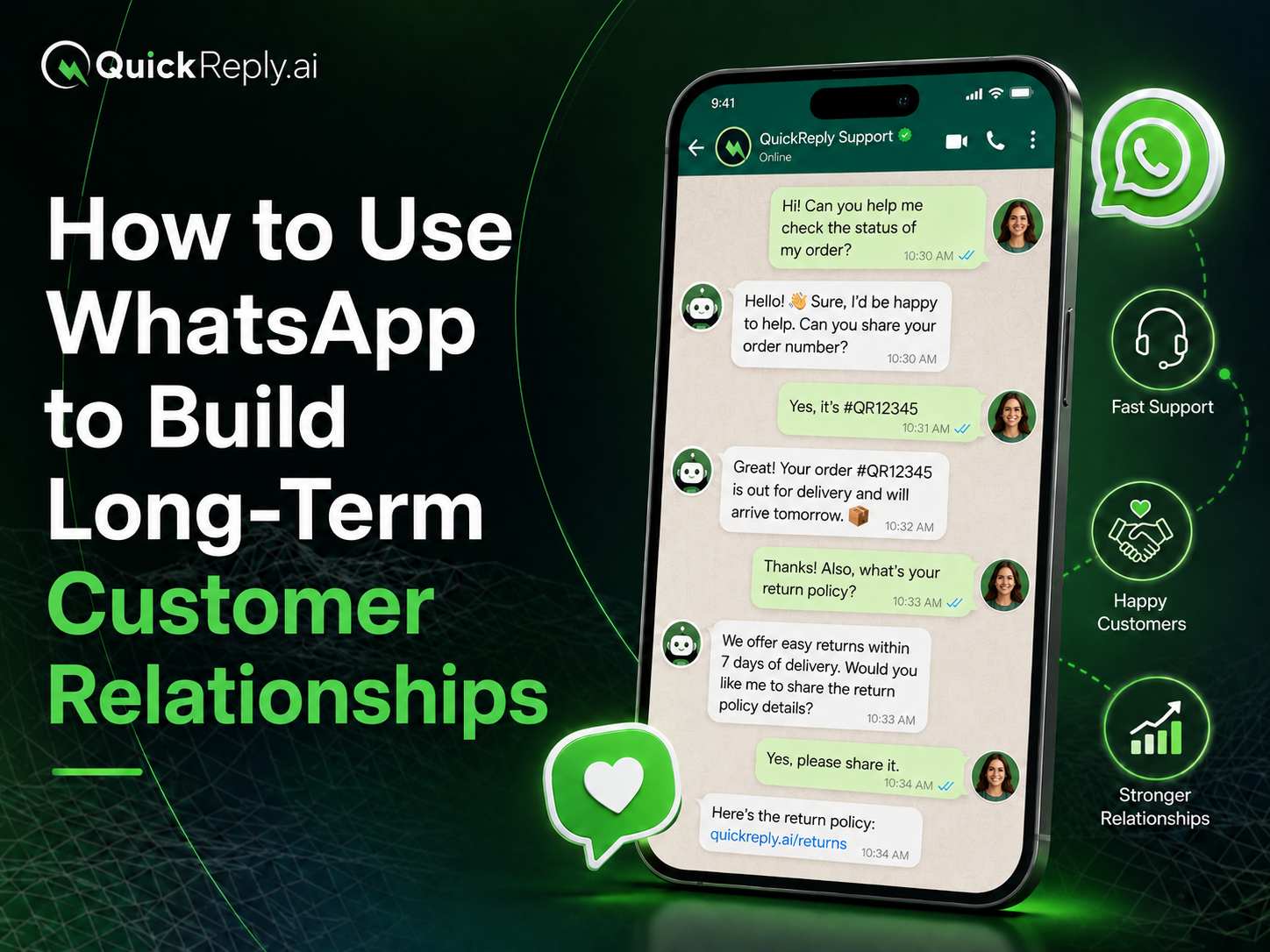
Nobody staffs a chat window at 3 AM, but questions still arrive then. Automated greetings, away messages, and simple chatbots that automate routine replies handle the predictable: store hours, return policies, order status, and booking slots. 

The craft lies in the handoff. 

A bot should resolve routine queries instantly and route more complex issues to a human agent without requiring the customer to repeat information. When implemented well, automation saves your team valuable time while making the customer experience feel faster and more seamless, rather than creating another barrier. 

Teams building the internal dashboards behind these workflows can also use ready-made Shadcn Templates to organize conversations, customer records, automation rules, and support activity without designing every interface from scratch.

4. Provide Prompt Responses to Customer Queries

Messaging apps carry an implicit promise of immediacy that email never made. 

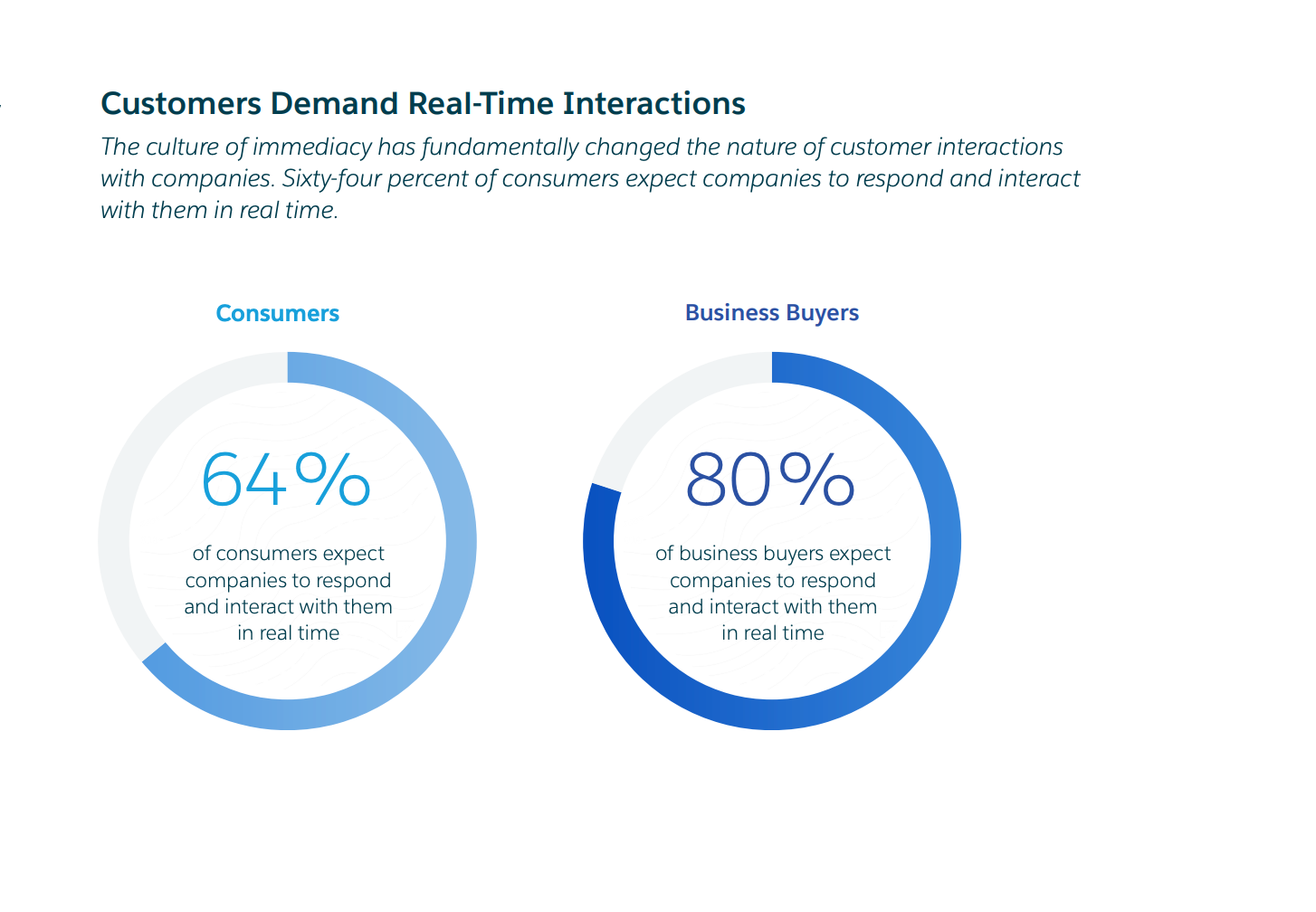
Salesforce research found that 64% of consumers expect companies to interact with them in real time. Someone who waits two days for a reply on a chat app quietly concludes you do not care. 

Salesforce Research: State of the Connected Customer

Set an internal response-time standard, measure it, and be honest in your away message about when a human will pick up. Speed, more than eloquence, is what people remember about support.

5. Incorporate Photos and Videos into Your Texts

Plain text explains; media convinces. A 20-second clip of a product in use, a before-and-after photo, or a short walkthrough of a new feature does work that paragraphs cannot. 

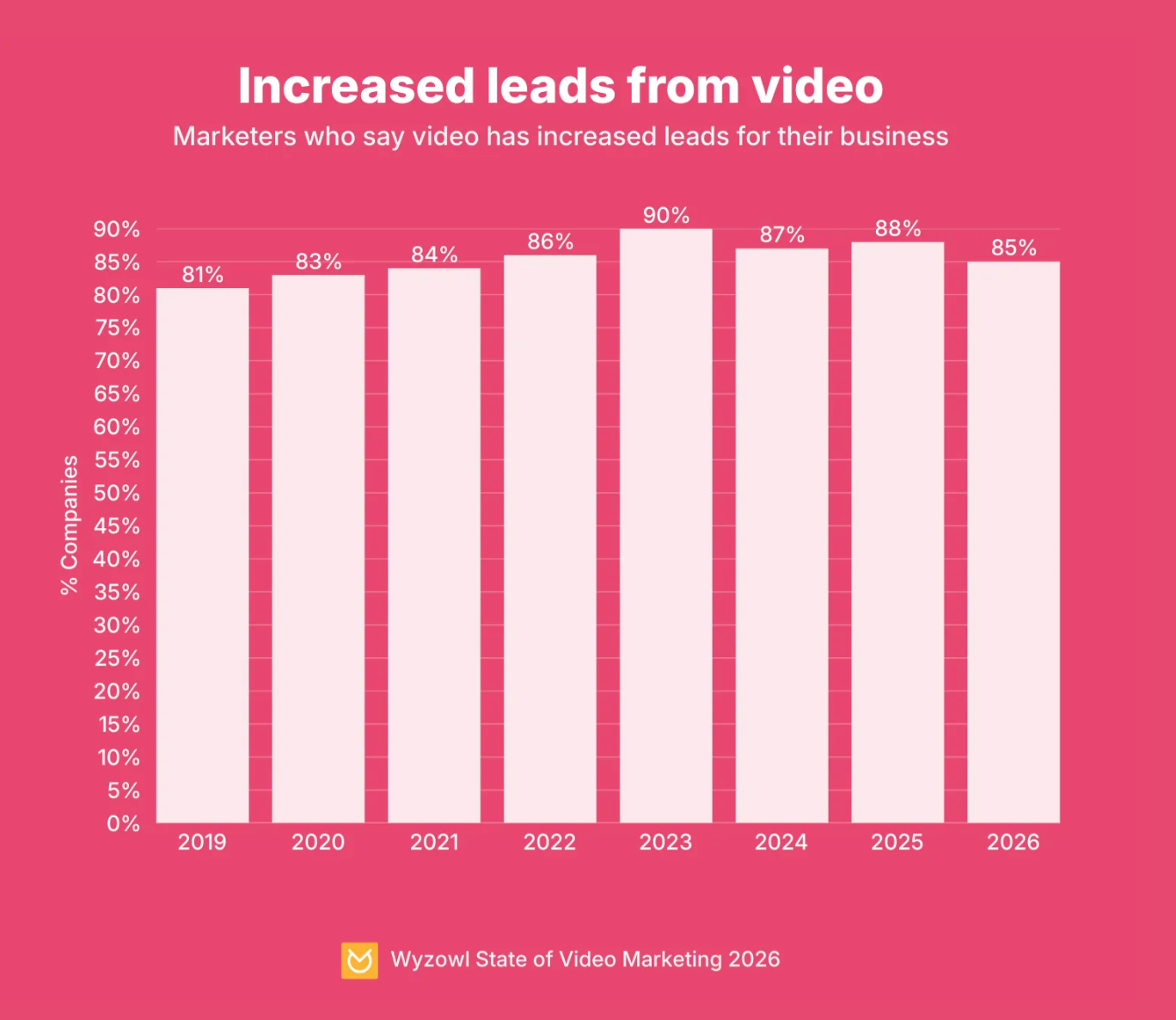
Wyzowl's annual survey found that 85% of people have been convinced to buy a product or service by watching a video. If you need to create videos for product demonstrations or promotional content, simple online tools can help you produce engaging visuals without extensive editing experience.

Wyzowl's annual survey: Video Marketing Statistics

Keep files small so they load over weak connections, add a caption that stands on its own, and never send media so heavy that it feels like an imposition on someone's data plan.

6. Personalize Customer Communications

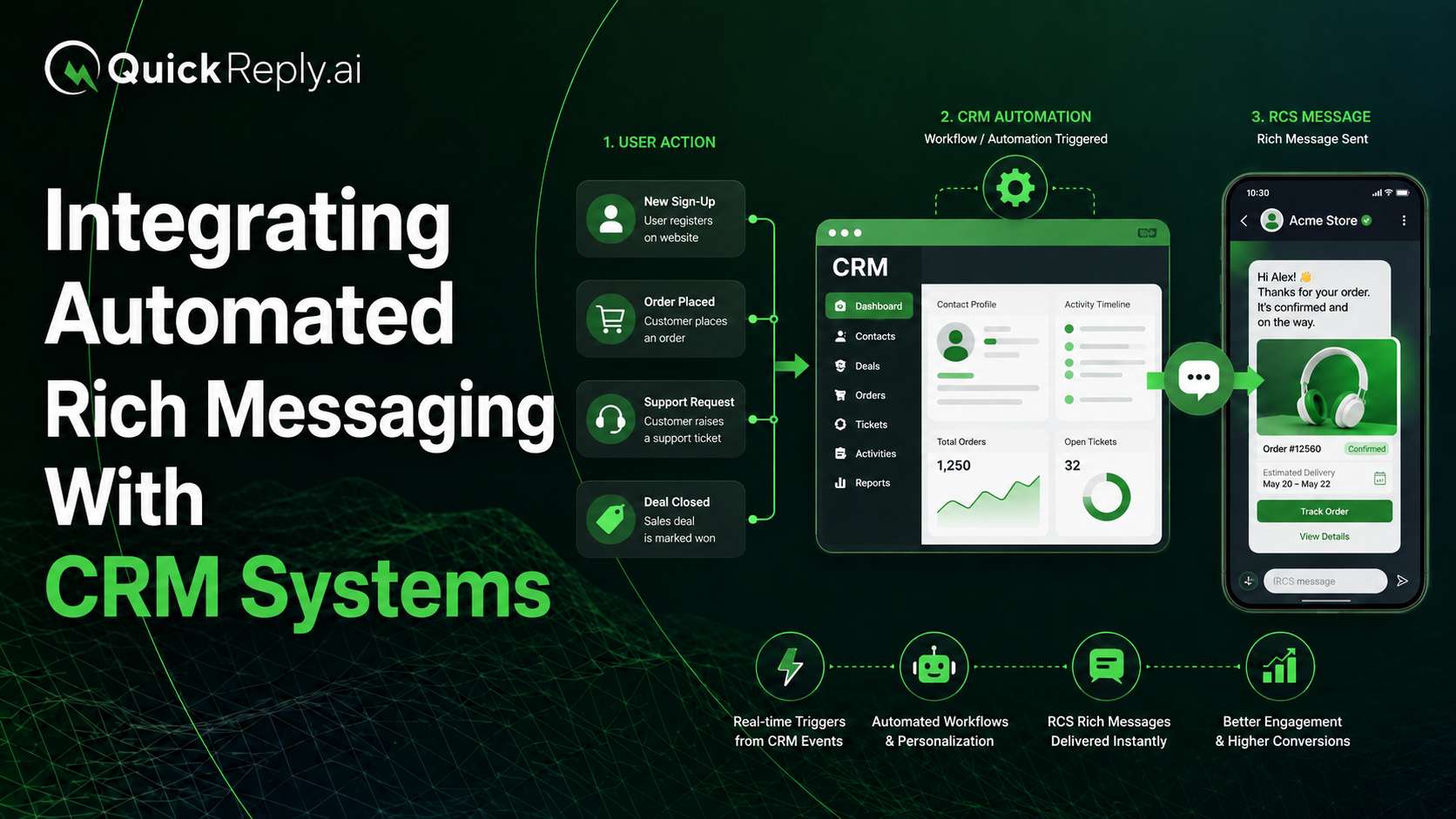
Segmentation is where messaging either matures or dies. A WhatsApp CRM can help you use purchase history, location, and stated preferences to send the right thing to the right person: restock alerts only to those who bought the item, event invites only to people nearby. 

McKinsey found that 71% of consumers expect personalized interactions and 76% get frustrated when they do not receive them. Using a first name is table stakes. Relevance is the real personalization.

7. Know When Not to Use WhatsApp

Better engagement sometimes means choosing a different channel. Long-form content, detailed invoices, contracts, and monthly newsletters belong in email, where people expect depth and can search their archive later.  

Email also remains the workhorse of measurable returns: Litmus reports an average of $36 earned for every $1 spent on the channel. 

Phone calls suit sensitive complaints; social media suits public announcements.

Reserve chat for what is brief, timely, and personal, and let each channel strengthen the others rather than compete.

8. Promote Your WhatsApp Presence

A channel nobody knows about builds nothing. Put a click-to-chat link on your website, a QR code on receipts, packaging, and storefront windows, and a chat button in your email signature. 

Always ask permission before adding anyone to a list; an opted-in audience of 500 beats a scraped list of 5,000 that reports to you. Never share your WhatsApp number publicly without a clear opt-in mechanism. 

Tell people what they will get by subscribing, whether that is order tracking, first dibs on drops, or faster answers, and then deliver exactly that.

Final Thoughts

Long-term customer relationships are built the same way friendships are: show up reliably, listen more than you broadcast, and make the other person's life easier at specific moments. WhatsApp simply compresses the distance between you and the people who buy from you. 

Start with a credible profile, earn attention through useful updates and quick replies, and treat personalization and exclusivity as rewards for trust rather than tricks to extract it. Then respect the channel's limits and let email, phone, and social carry the load they carry best. 

Do this consistently for a year, and you will own something no competitor can copy overnight: a customer base that actually wants to hear from you.

Turn 1 time visitor into repeat customer with WhatsApp marketing

Leverage the untapped growth potential of WhatsApp marketing to acquire and retain customers.

Frequently Asked Questions

How can businesses use WhatsApp to build stronger customer relationships?

Businesses can use WhatsApp to provide timely updates, answer customer questions quickly, send personalized messages, share useful content, and offer proactive support. Consistent, relevant communication helps customers feel valued without making every interaction promotional.

What types of messages should businesses send on WhatsApp?

The most effective messages are useful and timely, such as order confirmations, shipping updates, appointment reminders, delivery alerts, restock notifications, and support responses. Promotional messages should be personalized, permission-based, and sent only when they are relevant to the customer.

Can WhatsApp chatbots improve customer loyalty?

Yes. WhatsApp chatbots can answer routine questions instantly, provide support outside business hours, and route complex issues to human agents. When the handoff is smooth and customers do not have to repeat themselves, automation can make the experience faster and more convenient.

When should businesses avoid using WhatsApp?

WhatsApp is best for brief, timely, and personal communication. Long-form content, detailed contracts, invoices, sensitive complaints, and public announcements may be better suited to email, phone calls, or social media. Using the right channel helps businesses avoid overwhelming customers.