%201.svg)


Copied to clipboard!
Over 2 billion people in more than 180 countries use WhatsApp every month, making it one of the most widely used communication platforms globally. What started as a personal messaging app has quickly become an important channel for businesses to connect directly with potential customers in a conversational way.
As WhatsApp creates new opportunities for engagement, it also helps address one of the biggest challenges businesses face: generating qualified leads. According to a Adobe report, companies with strong lead generation systems generate 133% more revenue than those without them.
With customer communication increasingly shifting toward messaging platforms, many businesses are now turning to WhatsApp to attract, nurture, and convert leads. Organizations that adopt this approach early are building stronger relationships with prospects, responding faster to inquiries, and improving their conversion rates.
In this article, we’ll explore practical strategies businesses can use to generate leads with WhatsApp in 2026.
Generating high-quality leads on WhatsApp in 2026 requires more than sending random messages or relying on outdated outreach tactics. Many marketers still struggle with lead generation; research shows that 61% consider it one of their biggest challenges.
To succeed on WhatsApp today, businesses need a more thoughtful approach. This includes using smart automation, creating personalized interactions, and making it simple for prospects to take the next step. When used strategically, WhatsApp can become a powerful channel for building relationships and converting interested users into qualified leads.
Below are some practical strategies businesses can use to generate high-quality leads through WhatsApp.
Don’t start by buying phone numbers. The groundwork begins much earlier, before you send your first business message. What you really need is consent. The strongest leads are the people who willingly start a conversation with you.
Here are a few ways to get that clear “yes”:
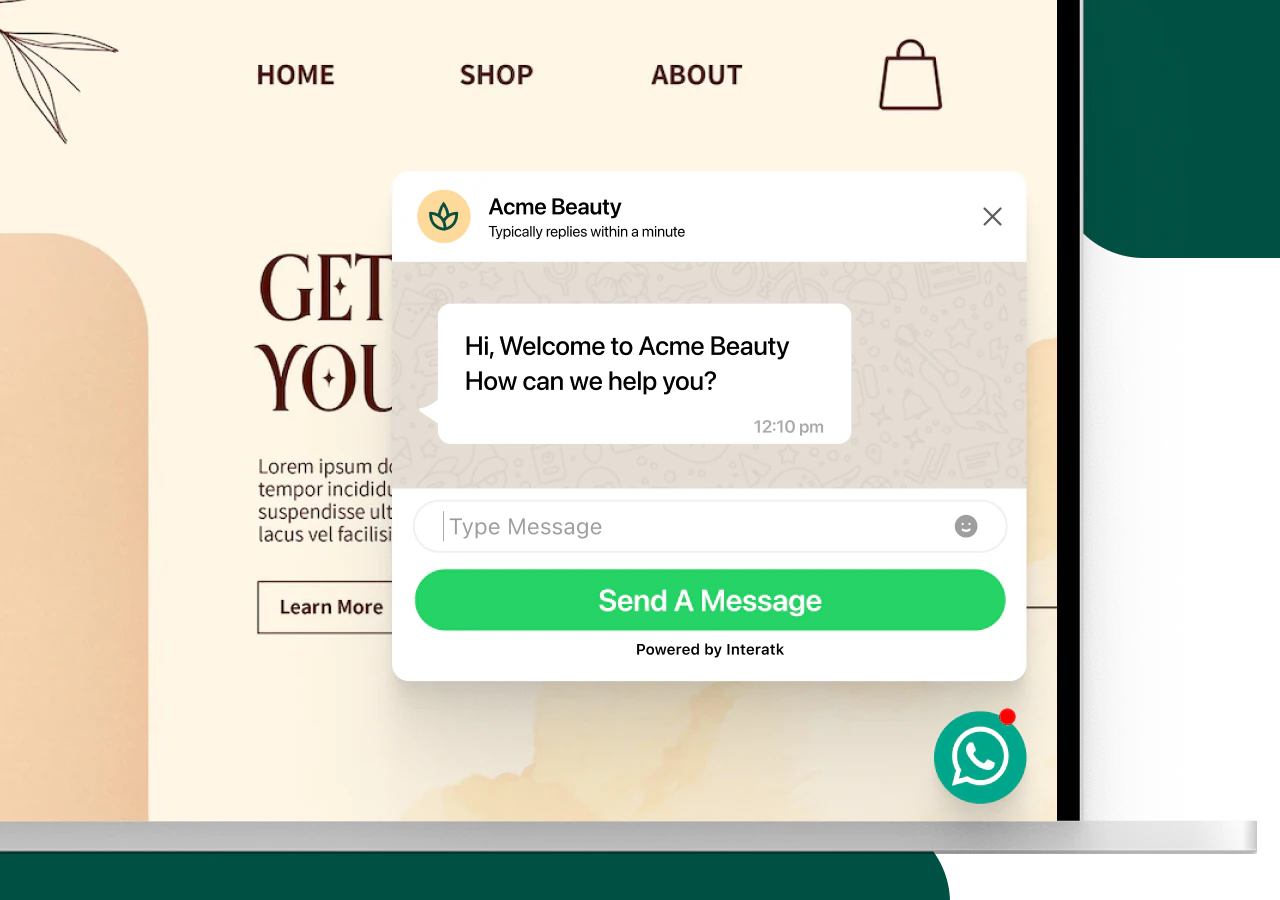
Think of it as a simple exchange. You give something helpful, and in return, people give you a bit of their attention.
People are less interested in downloading long PDFs today. In 2026, lead magnets that involve interaction work better because they feel more like help and less like a one-way exchange.
One reason for this shift is WhatsApp Flows. It works like a small interface inside the chat. Users can choose options, browse products, or book something without leaving WhatsApp.
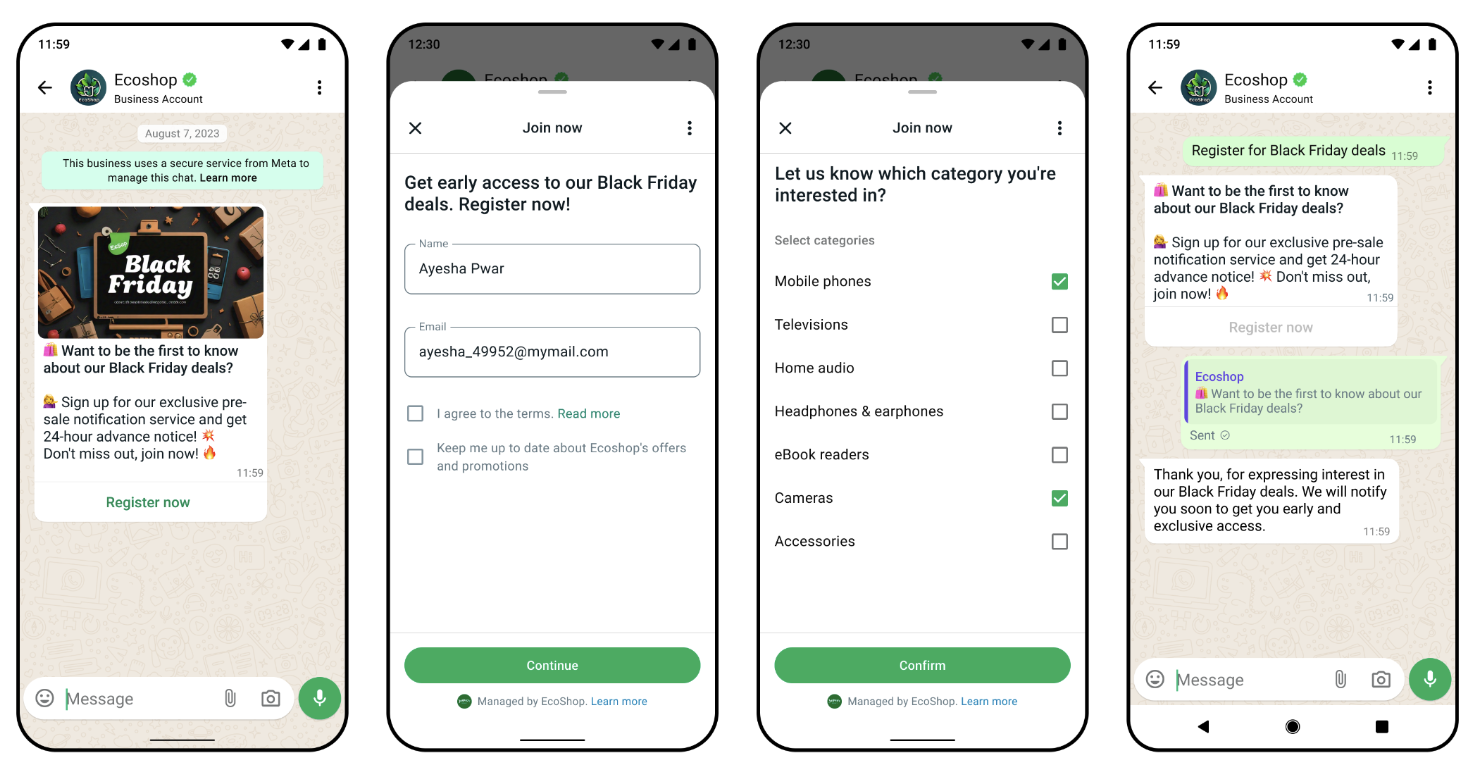
Here’s what that can look like in practice:
This approach does more than collect a phone number. It also shows what the person is looking for, which helps you respond with something relevant.
The gap between chatting and purchasing is getting smaller. Many customers don’t want to wait for a slow website just to complete a purchase. Often, the sale can happen in the same chat where the discussion began.
Here are a few ways to use the WhatsApp Business app for this:
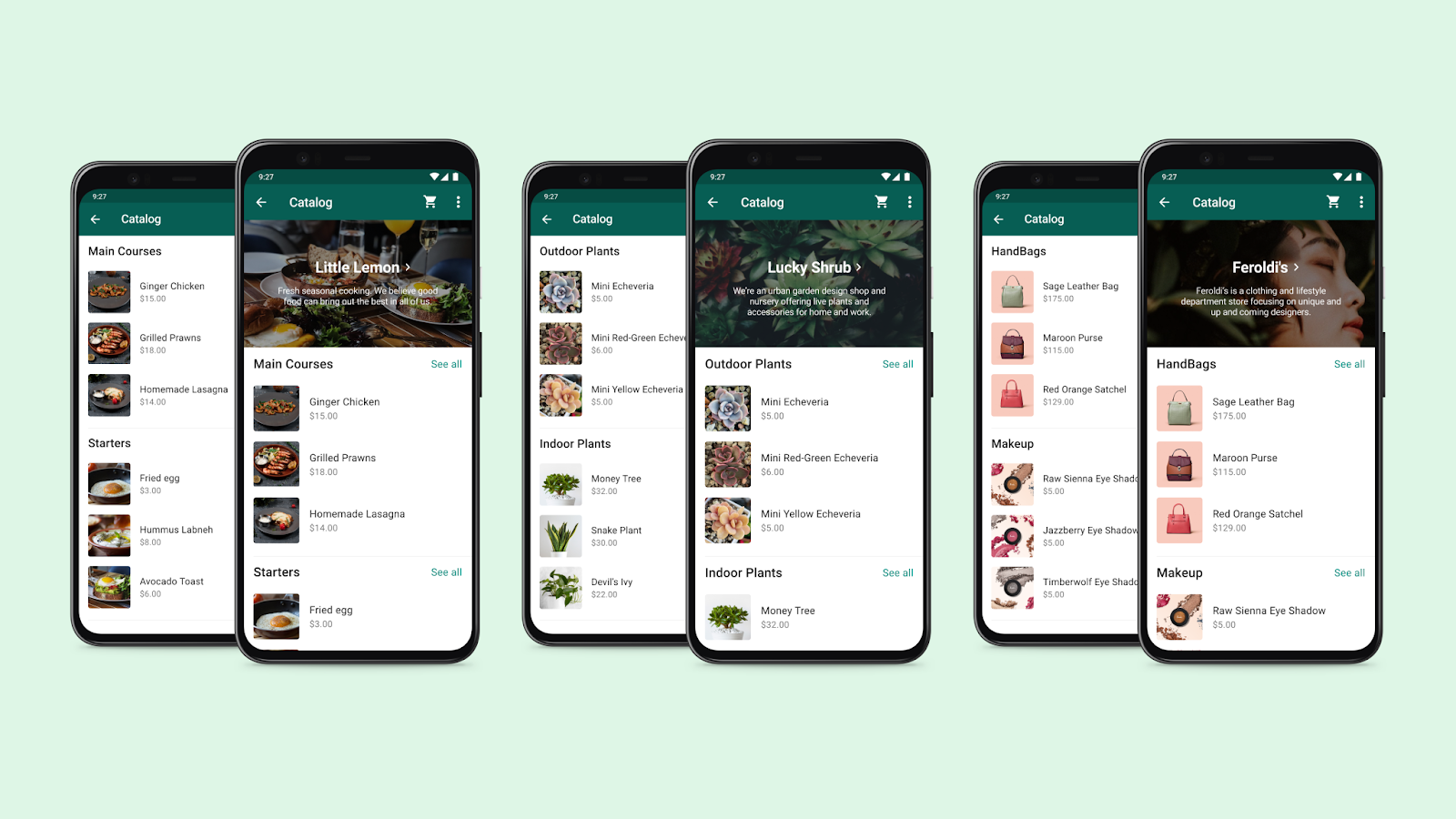
When buying happens where the discussion already exists, the process feels simple for the customer and easier for the business to manage, from the initial inquiry to receiving payment.
The first message simply opens the conversation. The following messages help build familiarity. A good follow-up sequence should feel supportive, not pushy.
Here’s a simple structure many businesses use:
Message 1 (Immediately): Acknowledge them
Let the person know you received their message and understood their question.
Example: “Thanks for reaching out! I’ve got your question about our yoga classes.”
Message 2 (Next day): Share something useful
Send information that helps them move forward.
Example: “Since you asked about beginner classes, here’s a short video from our instructor explaining what happens in the first session.”
Message 3 (A few days later): Present a light offer
Now you can invite them to take the next step.
Example: “A new beginner batch starts this Thursday. Would you like to try your first class with a discount?”
One more important point: always show people how they can stop receiving messages. Giving them that choice shows respect for their inbox and keeps the conversation comfortable for everyone.
Businesses must treat personal information carefully. This is not only about compliance. It also shapes how much people trust your brand. It also shapes how much people trust your brand. Just as you would work to improve IP reputation for your email campaigns to ensure high deliverability, maintaining a clean and compliant WhatsApp outreach list is essential for long-term sender authority.
Here are a few basic practices to follow:
You can pair these steps with a thoughtful use of chatbots. A bot can handle the initial greeting or common questions, such as “How can I help you today?” But once the discussion becomes detailed, a human should step in. Then, integrate your data into Claude to get AI insights into which approaches, messaging, or send times performed the best.
Bots are great for quick replies. Trust usually grows through human conversations.
To generate meaningful results with WhatsApp, businesses need more than just sending messages. The most successful companies follow consistent habits that improve response rates, build trust, and keep conversations moving toward conversion. Below are some practical best practices for everyday lead generation.
Speed plays a crucial role in WhatsApp communication. People expect responses within minutes rather than hours. Delayed replies can cause potential leads to lose interest or move on to another option.
Using automation for an instant greeting message helps acknowledge the inquiry immediately. After that, a team member can follow up with a more personalized response. This combination balances speed with a human touch.
Generic messages often feel impersonal and can reduce engagement. Instead, address customers by name, refer to previous conversations, and acknowledge their interests or past interactions.
Storing customer information in a CRM system makes personalization easier. When someone contacts your business again, your team can quickly understand their history and continue the conversation in a more meaningful way.
Respecting customer consent is essential on WhatsApp. Always obtain clear opt-in permission before sending promotional messages. It should also be easy for users to unsubscribe or stop receiving messages.
This approach not only builds trust but also ensures compliance with privacy regulations and WhatsApp’s messaging policies.
Not every lead has the same needs or level of interest. Segmenting your audience allows you to send messages that are more relevant and useful.
For example, product updates might be shared with existing customers, special offers with highly interested prospects, and educational content with new leads who are still exploring options. Targeted communication increases engagement and improves conversion rates.
Implementing lead generation automation helps businesses deliver the right message to the right segment at precisely the right moment in their journey.
Images, videos, and documents can make conversations more engaging. However, sending too many files at once can feel overwhelming.
Use media only when it adds value to the conversation. Product images can help explain features, while tutorial videos developed through animated explainer video services can demonstrate usage more effectively, and pricing documents can clarify purchase options.
WhatsApp works best for quick and direct communication. Long paragraphs can discourage readers, so keep messages concise and easy to scan.
If a topic requires more explanation, consider offering a call or sending a document that the customer can review at their convenience.
Although WhatsApp conversations may feel casual, they still represent your business. Messages should remain professional while maintaining a friendly tone that reflects your brand.
Avoid excessive use of emojis in professional conversations, keeping it formal, and review messages before sending to ensure clarity and accuracy.
Creating templates for common situations can save time and maintain consistency, particularly when handling inquiries about dropshipping products such as shipping times, availability, or returns. Templates can include welcome messages, responses to product inquiries, explanations of pricing, or answers to common questions.
These templates allow your team to respond quickly while still delivering clear and helpful information. Each message can then be slightly personalized to match the specific customer interaction.
WhatsApp has moved far beyond simple messaging. For many businesses, it has become a direct line to potential customers. When used thoughtfully, it allows companies to meet people where they already spend time and start conversations that feel natural rather than promotional.
The strategies discussed in this guide all point to one idea: meaningful conversations lead to better leads. As messaging continues to shape how customers interact with brands, WhatsApp offers a practical way to connect, answer questions, and guide prospects toward the next step. Businesses that focus on helpful interactions rather than aggressive outreach are more likely to build lasting relationships and generate consistent leads through the platform.
To put all these strategies into action effortlessly in 2026, rely on QuickReply.ai for high-performing WhatsApp lead generation.

Tool and strategies modern teams need to help their companies grow.
Leverage the untapped growth potential of WhatsApp marketing to acquire and retain customers.